Federal Reserve raises interest rates for the first time since 2023
The Fed increased its benchmark rate by 0.25 percentage points to battle resurgent inflation driven by soaring energy prices.
Watch CBS News
The Fed increased its benchmark rate by 0.25 percentage points to battle resurgent inflation driven by soaring energy prices.
Alan Greenspan's lengthy reign at the Federal Reserve coincided with a period of stability from the mid-1980s until 2007.
A "hawkish" turn at the Fed and stubbornly high inflation could delay interest rate cuts, according to Bank of America economists.
The president is turning to a former Fed official as his nominee to replace outgoing Chair Jerome Powell.
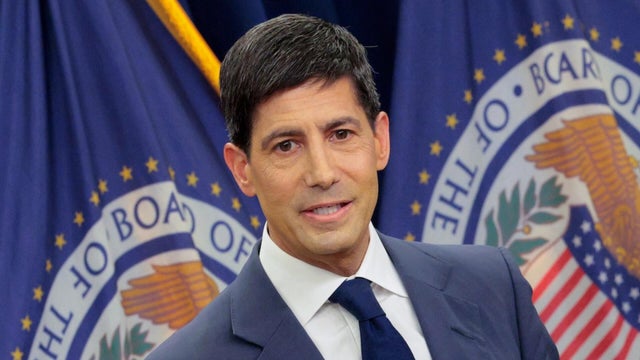
President Trump says he is nominating Kevin Warsh to be the next chair of the Federal Reserve, filling a powerful economic policy role as the president pushes for lower interest rates.
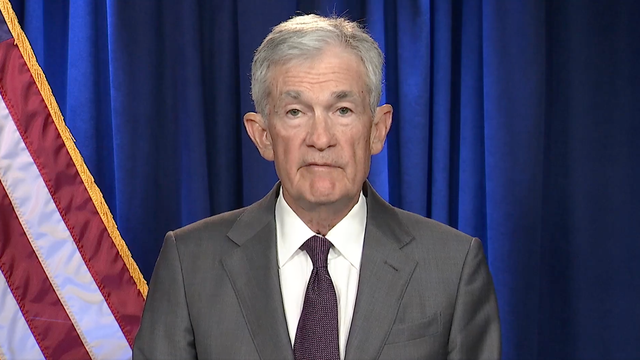
The subpoenas threatened a criminal indictment related to Jerome Powell's testimony before the Senate Banking Committee in June 2025, according to the Fed chair.

Employers across the U.S. added 147,000 jobs in June, while the unemployment rate fell to 4.1%.
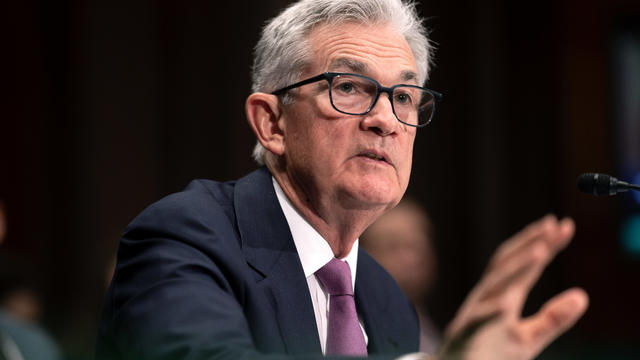
Fed Chair Jerome Powell responded with a one-word answer when asked if he'd step down if asked by President-elect Donald Trump.
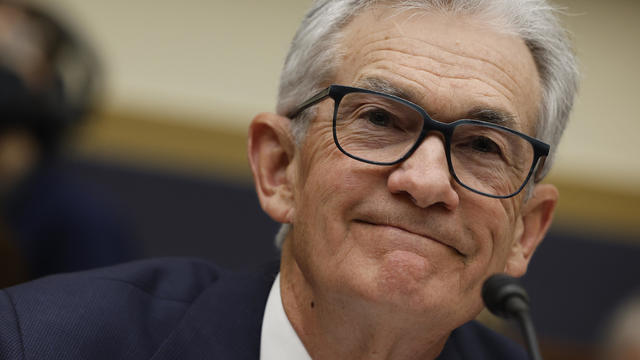
The Federal Reserve just lowered its benchmark rate by 0.50 percentage points. Here's how the move could impact your finances.
Inflation-weary consumers have also been slammed by high borrowing costs, but the Fed is cautious about sticky inflation.
President Biden is hoping to stack the Central Bank with its top governors as it continues working to stem inflation.
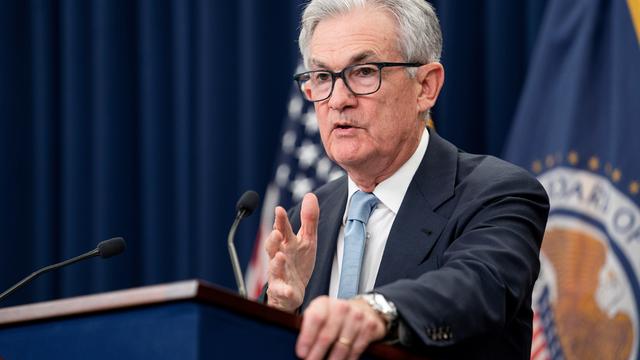
Latest hike brings the U.S central bank's benchmark interest rate to its highest level in 16 years.
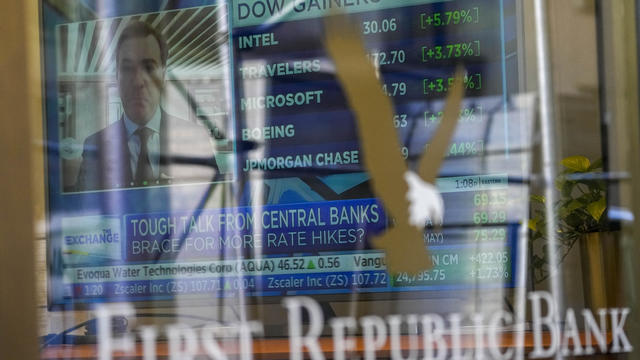
The regional lender, whose collapse is the second-biggest bank failure in U.S. history, is the third bank to be seized by regulators since March.
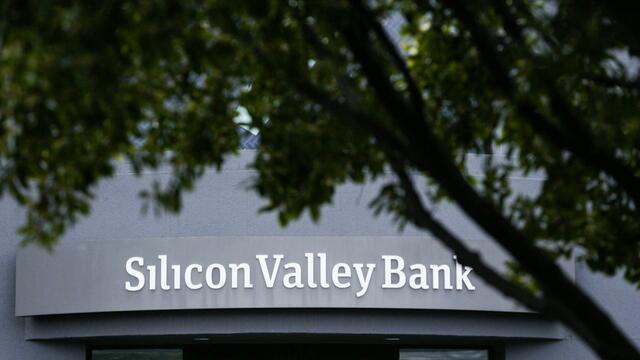
All deposit accounts at Silicon Valley Bank and Signature Bank in New York will be guaranteed, the Federal Reserve, Treasury Dept. and FDIC said in a joint statement.
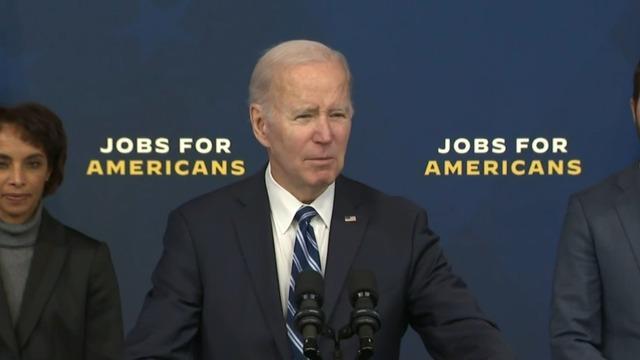
President Biden is highlighting January's job report after it soared past economists' predictions. Jeanna Smialek, a financial reporter at The New York Times, joins CBS News to discuss what the numbers mean for the state of the U.S. economy and future Fed moves.
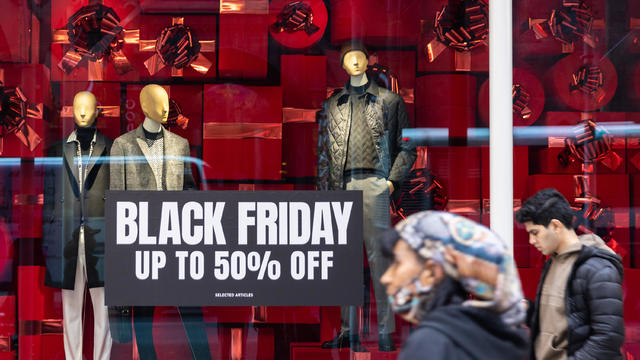
Personal consumption expenditures increased at the lowest rate in over a year, showing the long run-up in prices is likely ending.
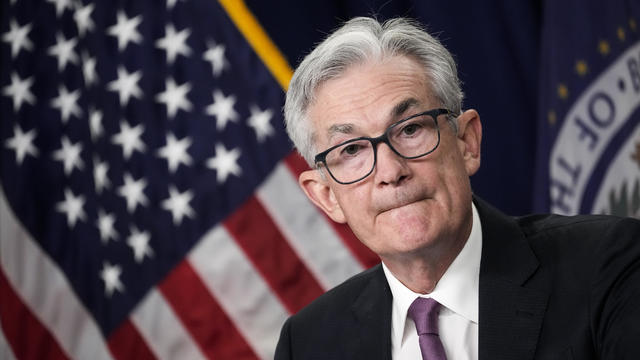
The central bank boosted interest rates for the seventh time this year, which means pricier debt and loans.
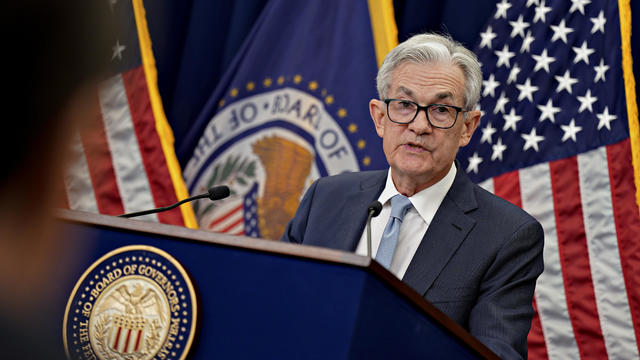
Rates are at their highest level in 15 years as policymakers try to tamp down inflation without torpedoing the economy.
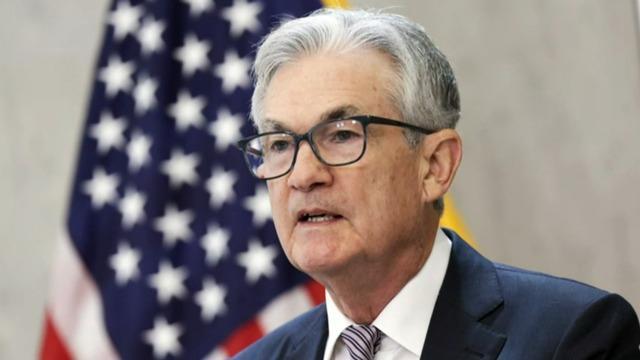
The Federal Reserve, as expected, announced it is raising interest rates by three-quarters of a percentage point to help tamp down inflation. CBS News' Tanya Rivero and Christina Ruffini get analysis of the economic and political impact from Ted Rossman, senior industry analyst at Bankrate.com; CBS News political correspondent Caitlin Huey-Burns; and Michelle Singletary, Washington Post personal finance columnist.
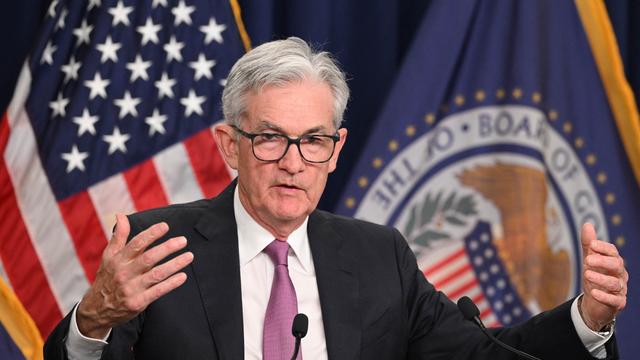
The rise in the federal funds rate, which is what banks charge each other for overnight loans, comes as several significant pieces of economic data are released this week.
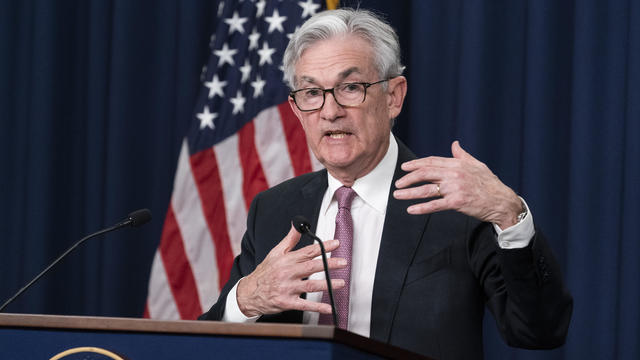
"Inflation is much too high," Fed Chair Jay Powell said of the U.S. central bank's largest rate hike since 1994.
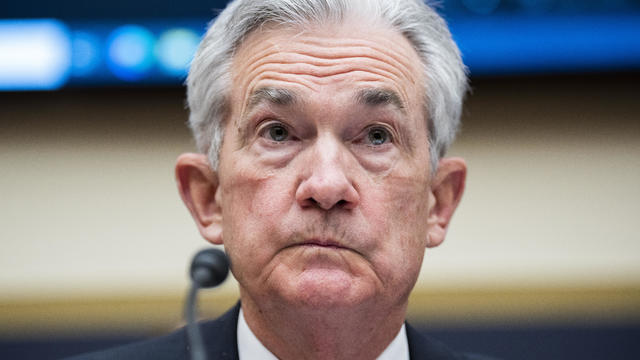
Economists expect a sharp increase in borrowing costs. That could impact credit cards, loans and other debt.

The top news stories you might not have heard about this week

The Federal Reserve bumped up its most important interest rate another quarter point on Wednesday, its seventh rate hike since late 2015.

The Fed is boosting its key short-term rate by a modest quarter-point to a still-low range of 1.5 percent to 1.75 percent and will keep shrinking its bond portfolio. Both steps show confidence that the U.S. economy remains sturdy nearly nine years after the Great Recession ended.