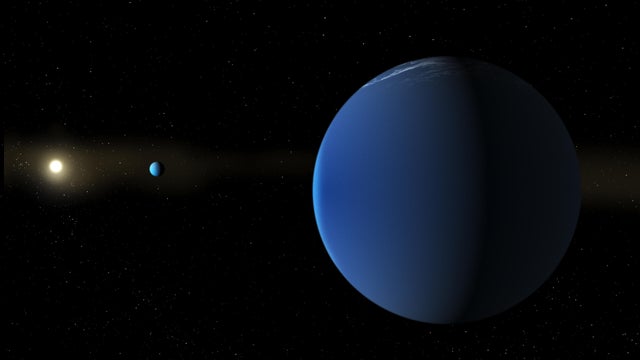
Astronomers find 2 gigantic planets lighter than cotton candy
The featherweight pair — orbiting a star 1,110 light-years away — are the biggest exoplanets found to have less density than cotton candy.
Watch CBS News
The featherweight pair — orbiting a star 1,110 light-years away — are the biggest exoplanets found to have less density than cotton candy.
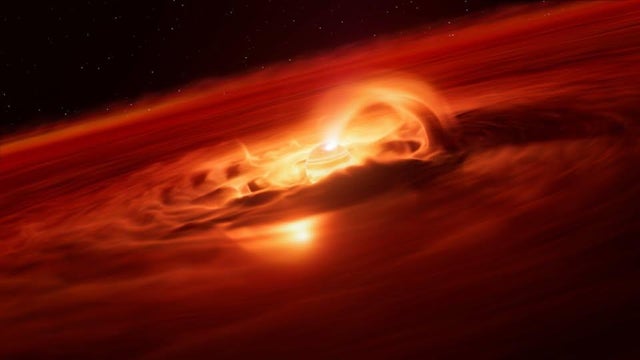
ESO's Very Large Telescope has observed a rogue planet and revealed that it is eating up gas and dust from its surroundings at a rate of 6 billion tons a second.
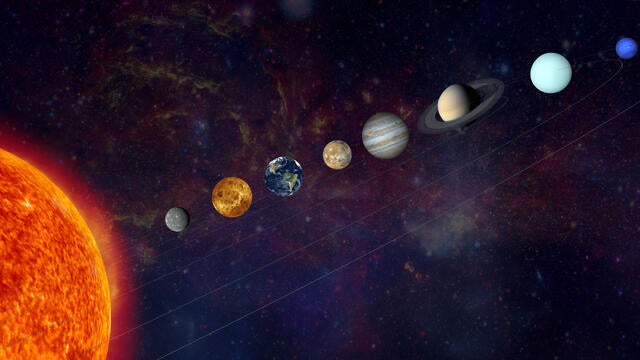
Mercury, Venus, Mars, Jupiter, Saturn, Neptune and Uranus could be visible, but not all can be seen by the naked eye.
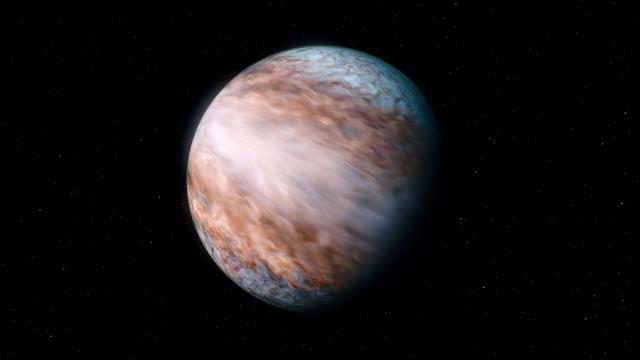
Researchers said this was the fastest wind ever measured in a jetstream that goes around a planet.
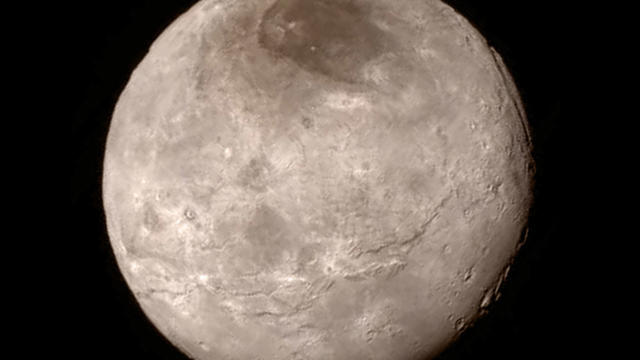
Researchers used observations from the Webb Telescope to identify carbon dioxide and hydrogen peroxide on the surface of Charon, Pluto's largest moon.
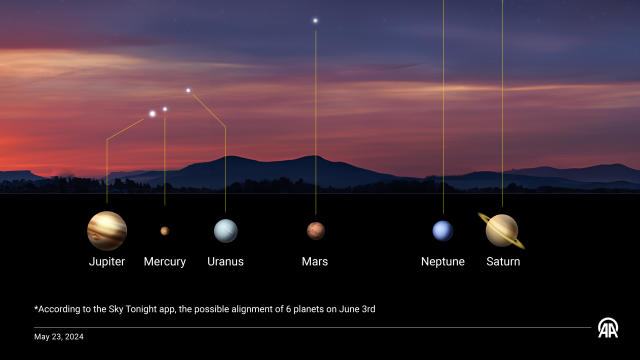
The orbits of six planets will bring them to the same side of the sun to create a "planetary parade" in early June.
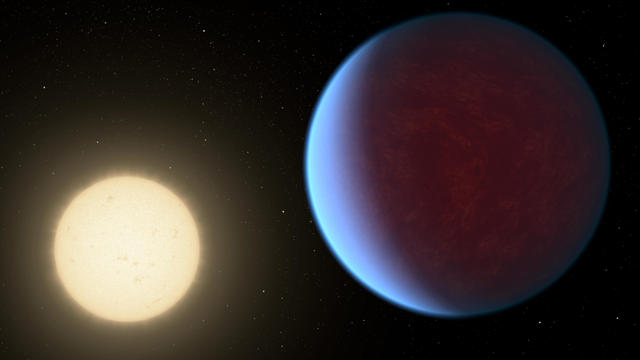
The so-called super Earth — known as 55 Cancri e — is among the few rocky planets outside our solar system with a significant atmosphere.
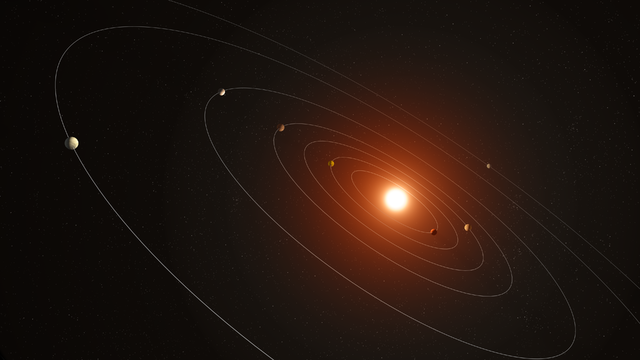
NASA described the planets as "scorching" and "bathed" in heat emitted by a distant host star.
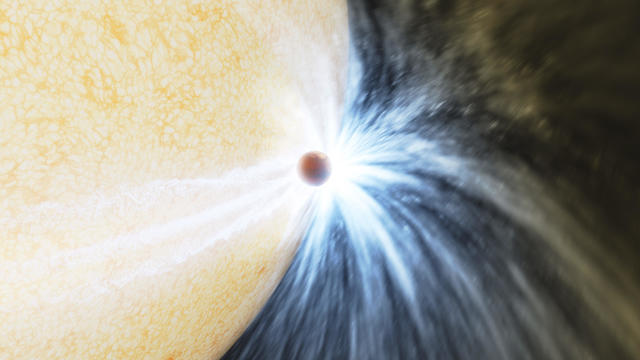
It's a gloomy preview of what will happen to Earth when our sun morphs into a red giant and gobbles the four inner planets.
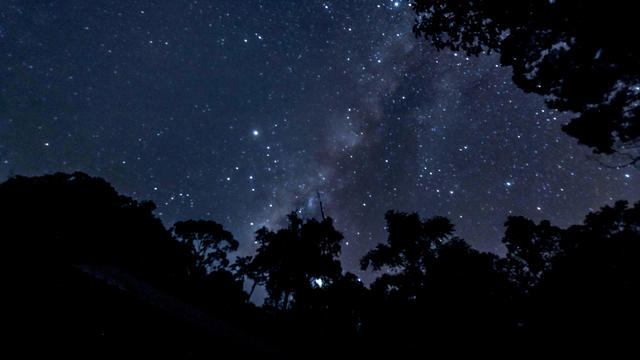
Jupiter, Mercury, Venus, Uranus and Mars will align on Tuesday night.

NEXT Weather meteorologist Ahmad Bajjey spoke with Seth Jacobson, an assistant professor of planetary science at Michigan State University, about his school's role in planetary defense.