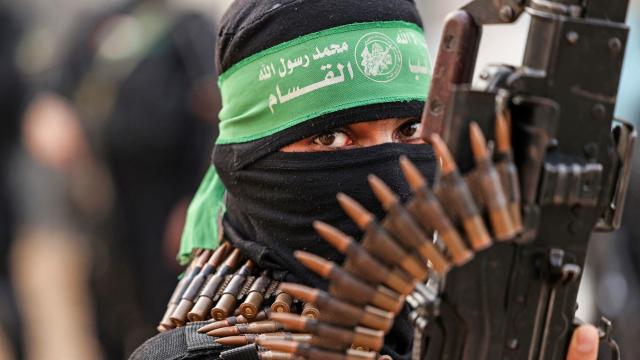
Why did Hamas attack Israel, and why now?
The Iran-backed Palestinian faction Hamas knew its unprecedented terror attack on Israel would draw a devastating response, so why did it strike?
Watch CBS News
The Iran-backed Palestinian faction Hamas knew its unprecedented terror attack on Israel would draw a devastating response, so why did it strike?
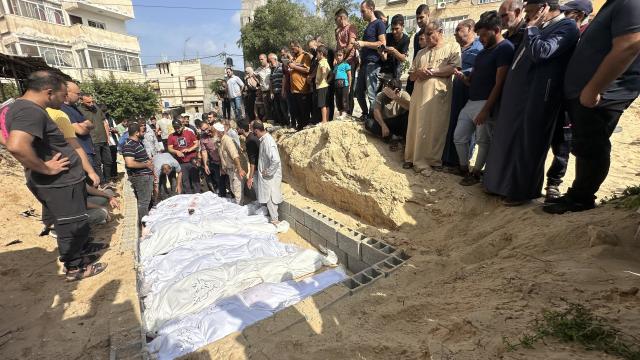
Deadly, ongoing Israeli airstrikes are fueling anger across the region and fear for 222 Hamas hostages in Gaza as the U.S. tries to delay an invasion.
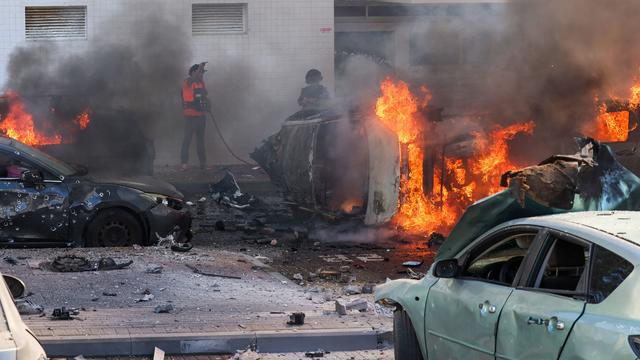
The Hamas militant group's coordinated terror attack on Israel on Oct. 7 was the deadliest assault in the region in decades, and prompted Israel to declare war.
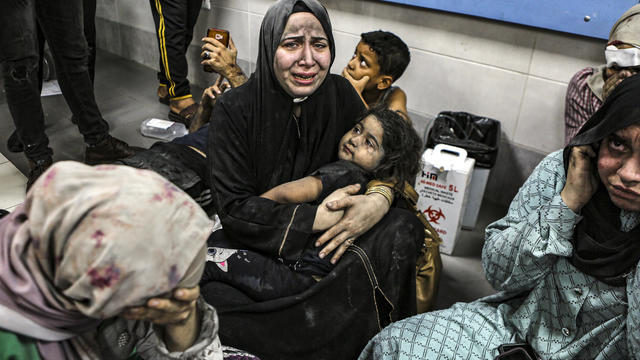
President Biden is traveling to Israel to show support for a key U.S. ally as Israel and Hamas trade accusations over a deadly blast at a Gaza hospital.
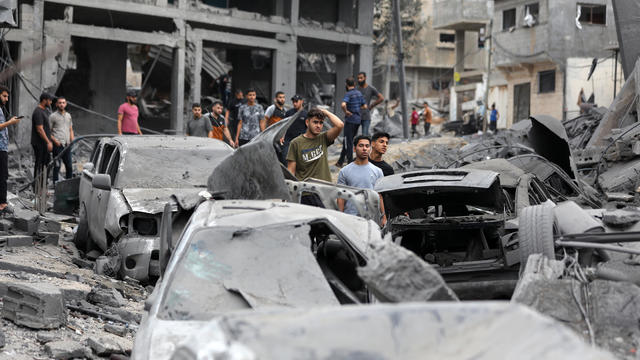
Israel says it's "taking more time" than expected to fend off an unprecedented attack by Hamas, as it locks down Gaza and more rockets fly from the Palestinian enclave.
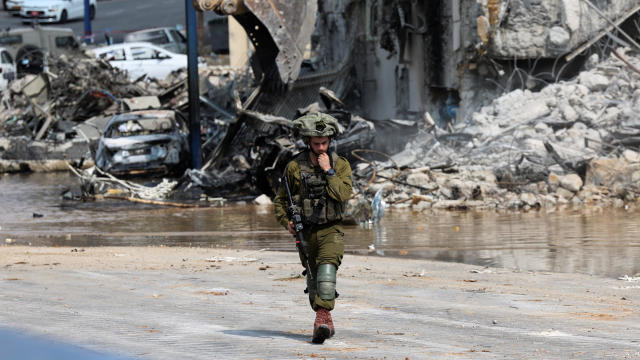
President Biden spoke to Israeli Prime Minister Benjamin Netanyahu and "pledged his full support" to the Israeli government, the White House said.

The Nobel Peace Prize winner was chosen by a panel of experts from a list of just over 350 nominations.
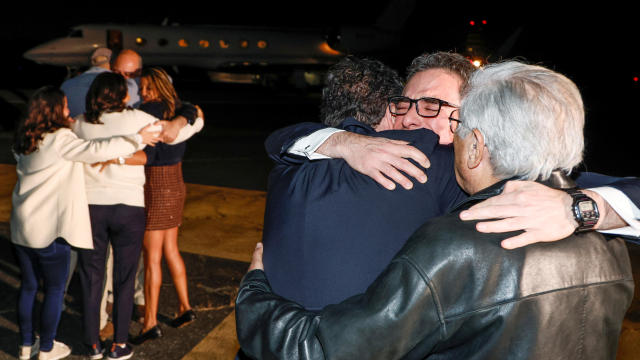
The prisoner swap included the transfer of $6 billion in unfrozen Iranian oil assets and the release of five Iranians facing charges in the U.S.
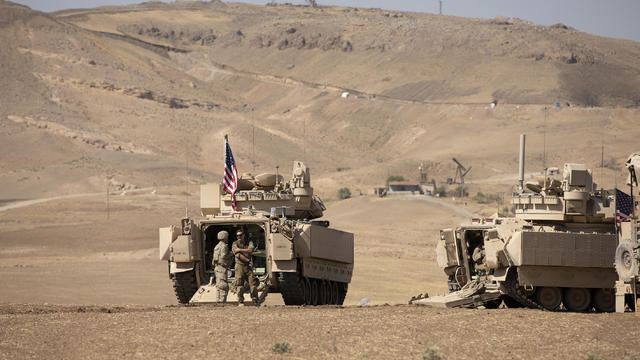
After the U.S. conducted retaliatory "precision airstrikes" on facilities used by Iran-linked groups, there were a series of new attacks on U.S. bases Friday.
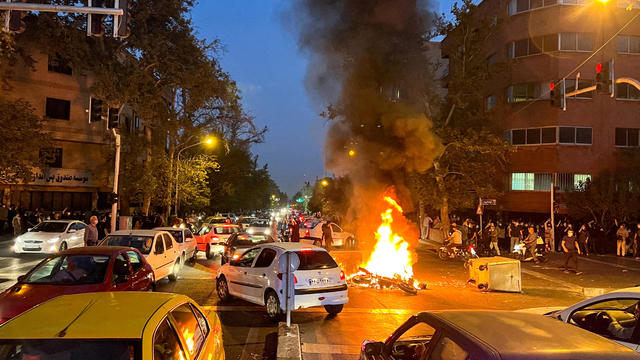
Protests have swept Iran since Mahsa Amini died three days after her arrest by the morality police, and there's no indication this move, if confirmed, will stop the unrest.
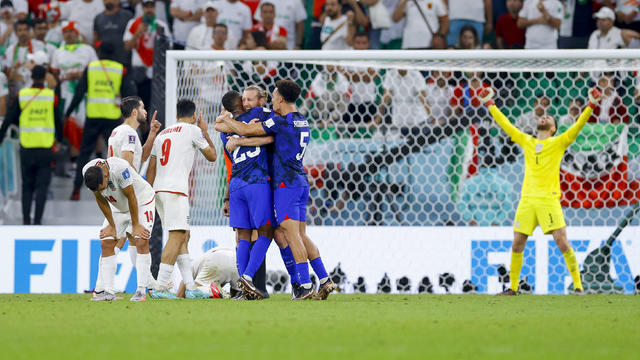
The U.S. men's national soccer team defeated Iran 1-0 in a must-win game.
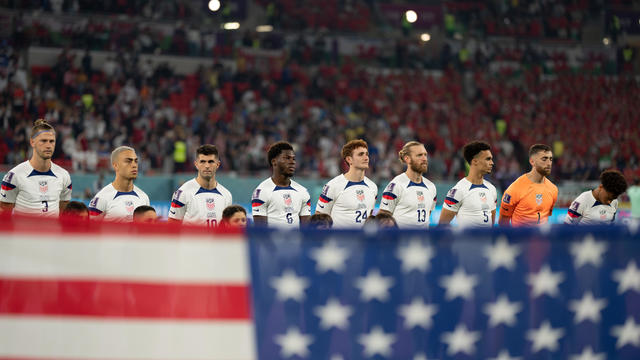
This is the first time the countries have faced each other at the World Cup since 1998. This year's tournament takes place as anti-regime protests rock Iran.