Michigan officials taking protective action after screwworm detected in U.S.
The Michigan Department of Agriculture and Rural Development says it will be implementing new animal import requirements after the flesh-eating New World screwworm was detected in the U.S.
The department says there's no detection of the pest in Michigan; however, officials say the requirement applies to warm-blooded animals:
- Moving from an infested zone or an adjacent zone.
- Moving from a state with screwworm detection, but located outside the infested and adjacent zones.
- Moving from a state adjacent to an infested state.
- Moving directly to USDA Food Safety Inspection Services processing from a state with screwworm detection.
Those animals must have an interstate certificate of veterinary inspection and an MDARD approval permit indicating they are free from infestation. The certificates must be submitted to MDARD prior to transport, and any open wounds on the animals must also be noted on the certificates. Animals coming directly from an infested premises are prohibited from entering Michigan until the site is released from quarantine.
Additional requirements from MDARD can be found on the department's website.
"Michigan is taking decisive action to protect the health of our livestock and pets from New World screwworm," MDARD Director Tim Boring said in a statement. "These movement requirements are an important tool to keep this devastating pest out of our state. By staying vigilant, working closely with producers and veterinarians, and acting quickly when concerns arise, we can safeguard animal health and support the resilience of Michigan's agriculture sector."
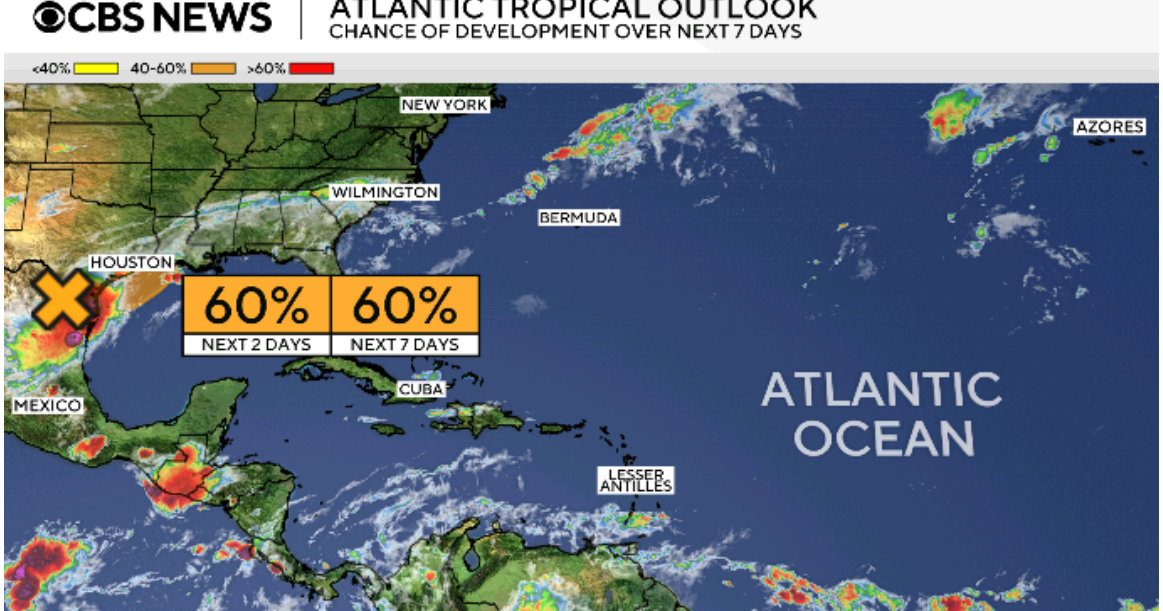
Earlier this month, the U.S. Department of Agriculture confirmed the presence of the screwworm in Texas. Officials said they detected larvae in the umbilical area of a 3-week-old calf. It has been detected in the state of New Mexico.
The screwworm was first detected in Mexico, about 25 miles from the U.S. border.
Michigan officials say the screwworm was added to the state's emergency reportable disease list nearly 10 years ago. The list requires anyone to report the disease to the State Veterinarian's Office.
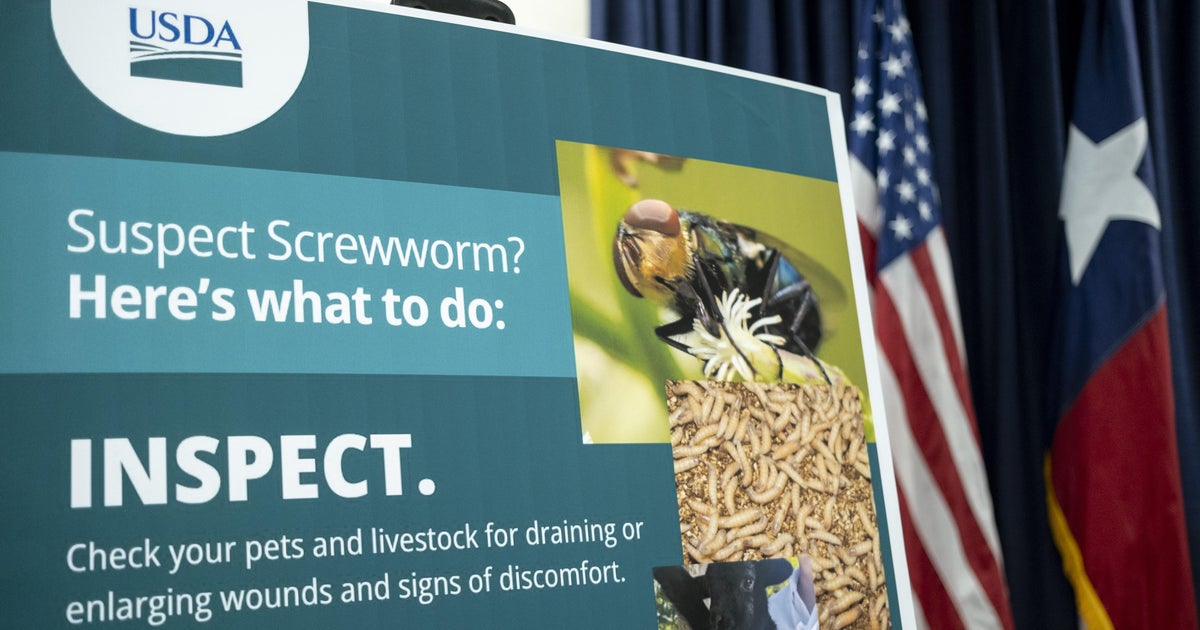
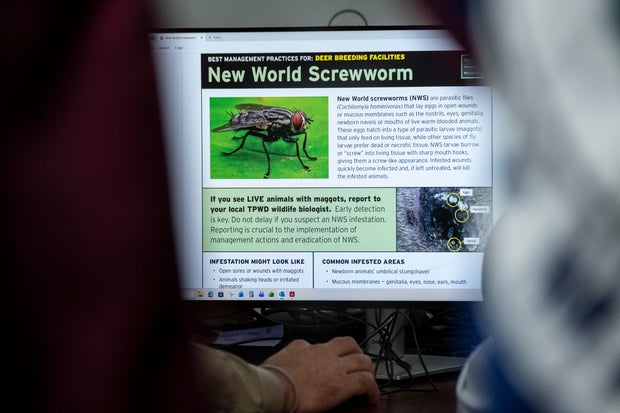
"This parasitic fly poses a serious threat to the health of our livestock, pets and wildlife when cases go unnoticed, untreated and unreported," said State Veterinarian Dr. Nora Wineland. "Producers – regardless of size – and pet owners need to put eyes on their animals daily to check for things like enlarging wounds or signs of irritation. NWS starts as a parasitic worm that can enter an animal through a small break in the skin or an exposed mucous membrane, so close inspection is vital to ensure suspect cases are identified, and appropriate actions are taken to treat animals and stop the spread of the pest."
Anyone who suspects an animal is infected with the screwworm can call MDARD at 800-292-3939 during the day and 517-373-0440 after hours.