Sex trafficking survivor warns of human trafficking risks during the FIFA World Cup
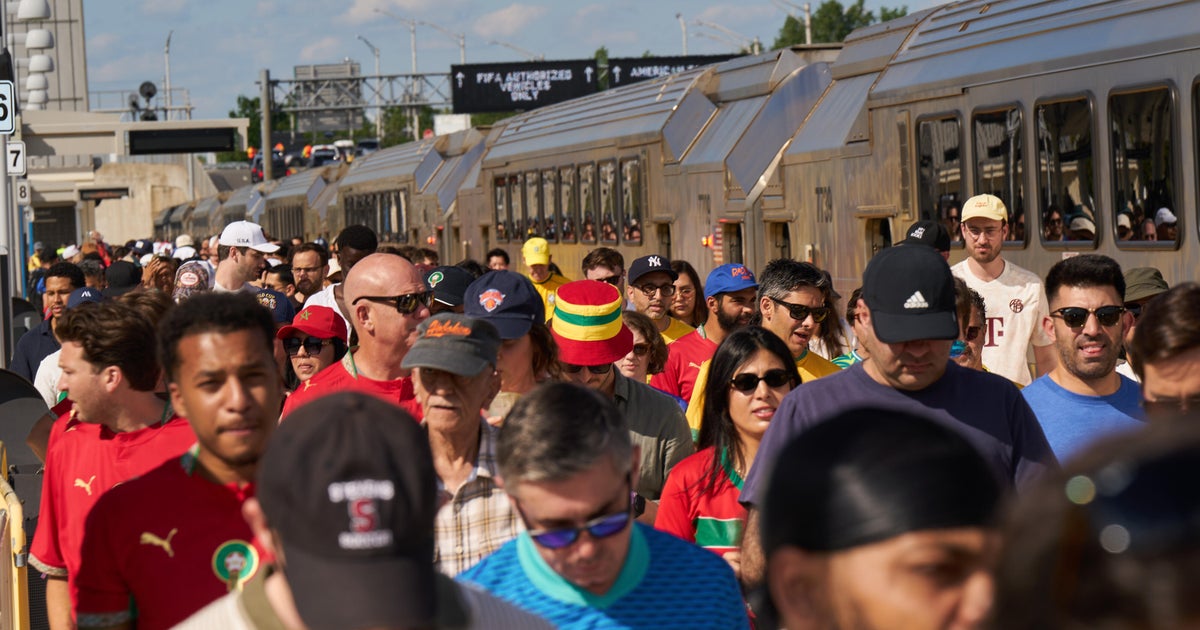
As North Texas welcomes visitors from around the globe, the 2026 FIFA World Cup, federal officials are warning that one of the world's largest sporting events could bring more than soccer fans.
The U.S. Treasury Department recently issued an alert warning financial institutions that major sporting events, including the World Cup, can create conditions that traffickers and other criminal networks may attempt to exploit. The alert encourages increased vigilance for financial activity that may signal human trafficking and related crimes.
For Bekah Charleston, the warning feels familiar.
"I was trafficked for 10 years," Charleston said. "They began at the age of 17 and didn't get away until I was 27."
Today, Charleston trains law enforcement officers, counsels survivors through hope and healing techniques, and teaches criminal justice as an adjunct professor.
But two decades ago, her life looked very different.
In 2006, she was the subject of a CBS News Texas investigation after authorities uncovered what prosecutors described as a multimillion-dollar prostitution operation run out of an upscale Denton County neighborhood.
At the time, many people viewed the women involved as criminals. The term "trafficking," now commonly known, was almost unheard of then.
"People thought prostitution ring, people thought we were selling drugs," Charleston said. "That's what trafficking often looks like."
In 2018, Charleston returned to CBS News Texas and sat down with the federal prosecutors involved in the case. During that conversation, a different picture emerged.
"I was a victim," she said. The federal investigators agreed.
Like many trafficking survivors, Charleston says she endured violence, coercion, and control behind closed doors.
"We were all victims, and being forced, and being beaten, coerced and forced daily," she said.
Now she is among the survivors and advocates warning that large-scale events can create opportunities for traffickers seeking profit.
"Anytime you have men traveling with disposable income, we're going to see an increase in commercial sex," Charleston said.
She says traffickers routinely move victims to big events around the country where large crowds and increased spending create demand.
Why experts are concerned
Advocates stress that trafficking is not caused by major events. It exists every day in communities across the country.
But they say events that draw large crowds, visitors and spending can increase demand for commercial sex, creating opportunities for traffickers.
According to Bianca Davis, CEO of Dallas-based nonprofit New Friends New Life, trafficking remains a year-round problem. But she says large events can intensify existing risks.
"Human trafficking is the fastest growing and second largest criminal enterprise in the world behind the drug trade," Davis said during a recent seminar.
She noted that traffickers generate enormous profits in North Texas.
"In Dallas alone, traffickers are profiting $99 million a year on the sale of human beings," she said.
New Friend New Life serves about 350 women and girls each year who are victims of trafficking.
Davis says the concern surrounding the World Cup comes down to one factor: demand.
"Men with money and time," she said. "Anytime you have men with disposable income, men that are coming around for entertainment and they're willing to spend their resources, then the trafficker understands there's a demand, and he brings the supply."
Preparing North Texas
For months, organizations across North Texas have conducted training sessions for hotel workers, restaurant employees, transportation staff, airline personnel and others who may encounter trafficking victims.
Kelly Dillon-Cuyler, global head of intervention programs for anti-trafficking organization A21, said public awareness can play a critical role.
"Hopefully, individuals will recognize trafficking when they see it, and then they'll respond in the right way with a trauma-informed, victim-centered approach that puts the survivors' well-being and interests above all else," Dillon-Cuyler said.
Kely Nascimento, founder of The Impact Game, urged community involvement. "We are all soldiers in the fight," she said.
Mila Davis, chief human rights officer for the North Texas FIFA World Cup Organizing Committee, said preparations extend beyond logistics and security.
"It's a signal to the rest of the world that Dallas is ready," she said.
The committee provides a training with warning signs, safeguards, and action plans for the community.
Advocates have also launched public awareness campaigns ahead of the tournament.
FIFA-themed billboards warn potential sex buyers:
- "Blow the Whistle on Sex Buying."
- "Buying Sex Will Draw a Penalty"
- "Buying Sex Will Get You Benched"
Yasmin Vafa, executive director of Rights4Girls, said the campaigns are designed to expose what often remains hidden.
"We do these billboard campaigns in multiple cities all around the country to really shed light on the dark aspect of these major sporting events," Vafa said.
She said large gatherings can create concentrated demand for commercial sex, but no community is immune to this problem.
"What's important to realize about mass gatherings is that they have a tendency to concentrate demand."
In her recent report titled "Buyers Unmasked," Vafa examined online forums where sex buyers openly discuss their activities.
The report includes posts in which buyers discuss very young women, pregnant women and acts of violence. Some men attempt to justify purchasing sex by portraying it as a form of help rather than exploitation.
"Understanding who can be most impacted, who's most at risk and what we can do as a community to prevent exploitation is at the root of this issue," she said.
Trafficking doesn't always fit a stereotype
Charleston said one of the biggest misconceptions about trafficking is who becomes a victim. Trafficking can affect people of all ages from all backgrounds, she said, admitting that she did not fit the stereotype.
As a teenager, Charleston was a successful soccer player from what she described as a stable family.
"I come from a good family. I was raised going to church, you know. My parents are still married, I wasn't in foster care, you know, but that doesn't mean I didn't have vulnerabilities," Charleston said.
"Sporting events come and go, but trafficking persists across every community all the time," she said
Since its inception, the National Human Trafficking Hotline has identified 10,997 cases of human trafficking in Texas with 24,876 victims identified.
The most common venues identified in trafficking cases include residences, massage and spa businesses and hotels and motels.
Charleston said those locations mirror her own experience.
The numbers behind the crime
According to New Friends New Life, the average age of a trafficked girl is 15, and 62% of trafficking victims are women and girls of color.
The National Center for Missing and Exploited Children reported a 323% increase in child sex trafficking reports from 2024 to 2025.
Of approximately 32,000 missing children, one in seven was identified as a likely victim of child sex trafficking.
Trafficking and prostitution arrests in North Texas cities
The I-Team also obtained five years of arrest data related to trafficking and prostitution across several North Texas cities.
From January 2020 to May 2026, the following cities reported a total of trafficking- and prostitution-related arrests:
- Dallas: 1,562
- Fort Worth: 993
- Mesquite: 3
- Grand Prairie: 38
- Richardson: 84
- McKinney: 5
- Frisco: 1
- Garland: 2
- Plano: 9
- Irving: 27
Experts caution that those figures likely represent only a fraction of the true scope of the crime.
Human trafficking is widely considered underreported because victims are often threatened, manipulated or fearful of retaliation against themselves or their families if they seek help.
What trafficking can look like
Advocates emphasize that no single sign proves someone is being trafficked. Instead, experts encourage people to look for a combination of indicators.
Possible warning signs include:
- Isolation from family and friends
- Unexplained injuries
- Branding or ownership-style tattoos
- Someone appearing unable to speak freely
- Signs of coercion or control
- Substance abuse
- Long or unusual work hours
- Fearful, anxious, or submissive behavior around another person
What to do if you suspect human trafficking
Experts stress that members of the public should never confront a suspected trafficker or attempt to rescue a victim themselves. Doing so could place both the victim and the bystander in danger.
If someone appears to be in immediate danger, call 911.
For non-emergency situations, authorities recommend reporting concerns to:
National Human Trafficking Hotline
- 1-888-373-7888
- Text: 233733 (BEFREE)
- https://humantraffickinghotline.org/en/report-trafficking
Homeland Security Investigations
Advocates say detailed observations, including locations, descriptions, behaviors, and vehicle information, can help investigators identify victims and traffickers.
A call that changed a life
More than 20 years ago, someone in a Denton County neighborhood noticed suspicious activity and reported it.
Charleston believes that decision changed the course of her life.
"I would say my message to the community is don't be sensational about it, you know. But trafficking is there, so educate yourself, learn the red flags," she said.
Today, Charleston has received a presidential pardon. She trains law enforcement officers, works as a hope and healing therapist, and serves as an adjunct professor of criminal justice. To learn more about her story, go to https://www.bekahspeaksout.com.
As North Texas prepares to welcome the world, she hopes the attention surrounding the World Cup leads to something larger than soccer.
"The World Cup is a huge opportunity for awareness," she said.