Mosquito spraying scheduled in Northern Colorado after West Nile detected in the state
A city in Northern Colorado is working to get ahead of the curve this summer after the state's first West Nile virus case of the year was detected.
According to UCHealth, Colorado recorded 286 confirmed cases of the virus last year, 20 of which were fatal. The first case of 2026 was detected in Jefferson County earlier this month.
Loveland began targeted spraying in neighborhoods throughout the city on June 11. City officials hope these efforts will keep the mosquito population under control as we move into the summer months.
They have contracted Vector Disease Control International to monitor mosquito activity through 40 trap locations set throughout the city. If a trap count exceeds the threshold of either 100 total mosquitoes or 50 Culex mosquitoes, fogging will be scheduled for that area.
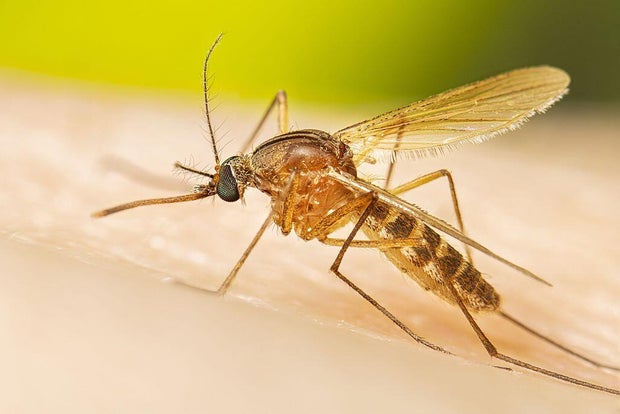
The contractor will also test mosquitoes for West Nile virus and use larvicide treatments designed to kill mosquito larvae in standing water.
The city said residents can view an interactive map of mosquito activity, virus testing results and trap zones on VDCI's website. These mosquito surveillance efforts will continue through September.
Officials also urged residents to use DEET or other effective mosquito repellents to protect against infected mosquitoes. Other actions to reduce risk include avoiding exposure during peak feeding times at dusk and dawn, wearing long sleeves and pants to prevent mosquito bites, and draining standing water in yards and gardens to minimize breeding areas.
UCHealth says the drought doesn't mean mosquitoes aren't a risk, and it's too soon to know how dangerous the virus will be in Colorado and across the U.S. this year. They added that most people experience only mild symptoms and may not know they've contracted West Nile.
Common symptoms include headaches, fever, diarrhea, muscle weakness, tingling or numbness, neck stiffness or flu-like symptoms. Anyone who is feeling sick and believes they may have West Nile virus should visit their medical provider for testing.
In severe cases, UCHealth says the virus can cause serious complications such as encephalitis or meningitis. Anyone experiencing neurologic symptoms should seek help immediately.