Michigan board approves new health and sex education standards in public schools
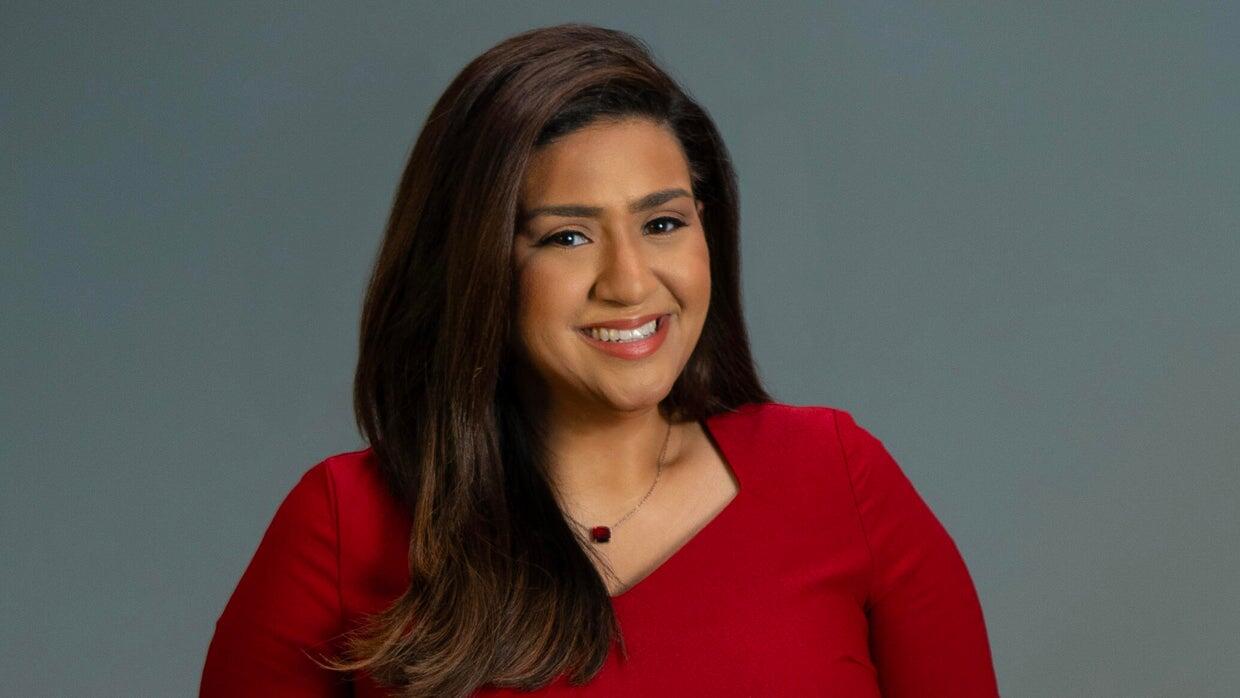
Arika Lycan and their partner have been Ypsilanti Public Schools parents for almost ten years. As their son reaches middle school, Lycan says they are working hard to make sure inclusivity is at the top of the list.
"As society evolves and as science evolves, we need to evolve standards along with it," Lycan said. "My child, as far as I know, is a cisgender, heterosexual little guy, but I want him to have a basic understanding, if you're learning about this spectrum of sexuality."
After months of debate, the Michigan State Board of Education on Nov. 13 voted to update a nearly 20-year-old standard on health and sexual education in all state public schools. The vote updates will "reflect current and ever-changing technology, social media and other influences on health and well-being (e.g., vaping, opioid use, health during a crisis)." The update also allows local school boards to determine the curriculum for their respective districts.
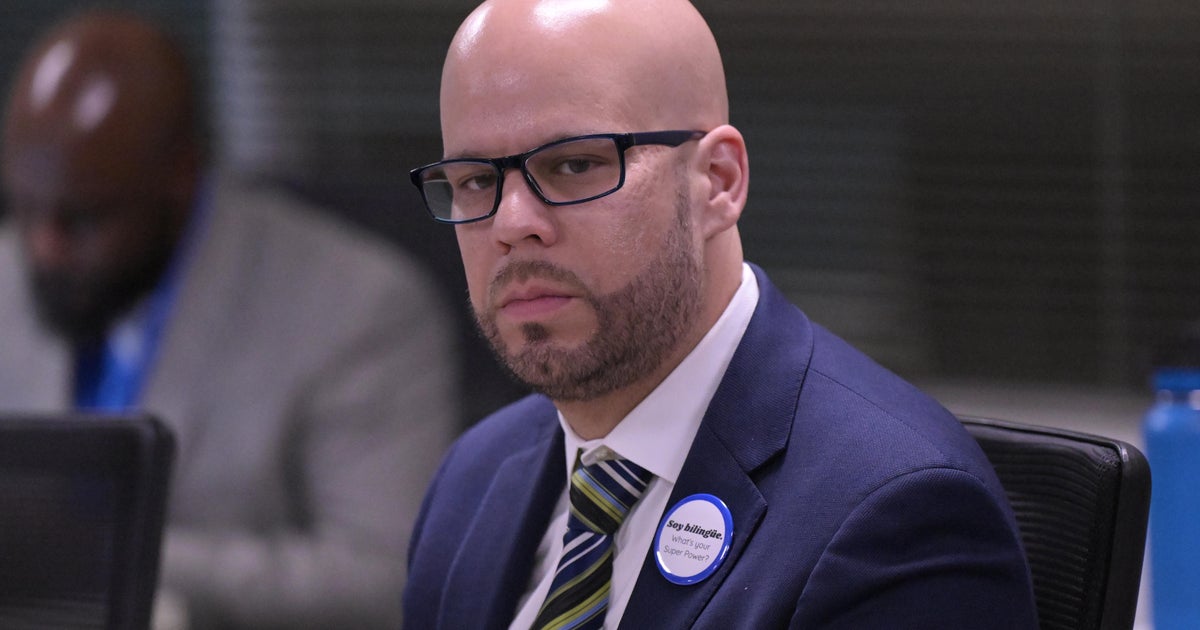
However, co-vice president of the Michigan State Board of Education Tiffany Tilley says every parent still has the choice to allow their child to participate.
"Each district decides which curriculum that they want to use. The state board's job is to set the policy and standards for education. So, we adopt policies and standards. But, we don't choose the curriculum," Tilley said.
CBS News Detroit dug deeper and found that, ahead of the official vote, the Michigan Department of Education received more than 3,000 emails and surveys combined regarding the changes, with a little more than half opposed to the move.
State law dictates that parents can opt their children out of the education. Tilley says they also have the right to voice their opinions and concerns over what is covered in the classes, through the sex education advisory board required for every district that offers the course.
Lycan says that freedom is something they hope all parents understand and recognize, in the same way they want their son to learn about the changes.
"I think that it's going to make space in the same way that you learn about different cultures, in different languages, in different regions. I think it's going to make space for more empathy and more understanding from students," said Lycan.