Water monitors predict water restrictions in Colorado likely due to low snowpack

A dry winter in Colorado's high country has become far more than an inconvenience for mountain communities. With snow totals at record-low levels and reservoirs lagging behind normal levels, state water officials warned the drought may have wide-ranging consequences beyond hitting the slopes and a few runs you'd expect to be open at this time of year still being closed. We could be talking water restrictions this year.
Our snowpack, (the source of much of Colorado's water for the year) was far below normal as of early February. According to Denver Water, statewide snowpack was only around 55% of normal for this time of year. On the South Platte side of the divide, conditions were worse only 43% of normal, marking the lowest snowpack ever recorded for that basin at this point in the season. On the Colorado River side, snowpack was around 55%.
"We should have been building snowpack, and we were just seeing these long lulls of no storms and no snowpack accumulation," said Nathan Elder, Denver Water's manager of water supply.
Across the state, Denver Water officials reported returning to normal snowfall patterns this year, even with the remainder of the winter ahead, would require some of the biggest storms ever recorded since monitoring began more than four decades ago. Elder said the snowpack deficits are so large that even several feet of snowfall from a winter storm would only begin to close the gap.
As our snowpack has lagged, reservoir levels are reflecting the shortfall. Denver Water reported its reservoirs were around 81%, slightly below the typical 86% at this point in the season. That shortfall carries implications for runoff and water supply later in the year, as well as our outlook in Colorado for wildfires.
"If we get normal snowpack accumulation going forward, we might get to maybe 70% of normal by late April," Elder said. "To get back to normal, we would need to see the most snow that we've ever seen."
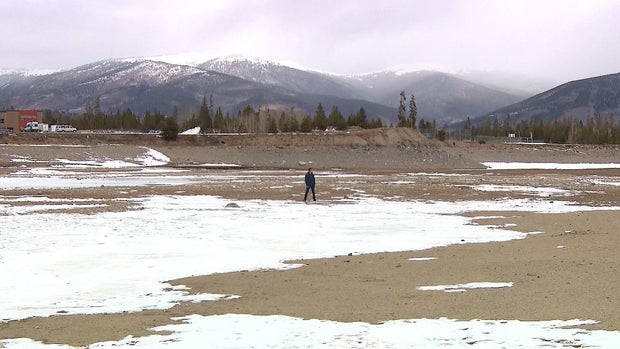
Officials said the 2025–2026 season had already been below average for about 20 days by early February, indicating the persistence of the dry trend. Jay Adams with Denver Water made a point in their video that Dillon Reservoir did not freeze over until Jan. 26, the second-latest freeze date in the lake's history, and a sign of unusually warm, dry conditions.
Local water managers said residents should prepare for the possibility of restrictions later in the year. Denver Water officials encouraged households to reduce indoor water use by installing low-flow showerheads and toilets, checking for leaks, and planning landscape changes that fit Colorado's dry climate.
"We were preparing for that strong potential of water restrictions this year," Elder said. "People needed to be aware that this situation was really concerning … our snowpack was at its lowest ever to start out February."
The dry pattern was not just a mountain issue. Low snowpack meant reduced runoff across major watersheds, influencing water availability for agriculture, cities, and ecosystems downstream. Officials warned that without a dramatic turnaround in weather, the impacts could stretch into summer.
For now, Coloradans are urged to use water wisely, pay attention to forecasts, and prepare for conditions unlike anything seen in recent decades.