Funding cuts could leave thousands of Colorado families without summer childcare

In just weeks, funding many families rely on to afford childcare will run out, leaving parents scrambling, providers cutting back, and some children at risk of being left home without supervision.
"We primarily serve low-income families, single parents who need help," said Ernestine Woodberry, owner of Stepping Up childcare center. "But it's hard for them to work if they don't have childcare."

Federal changes to childcare funding could impact tens of thousands of Colorado families.
According to the Colorado Department of Early Childhood, the Child Care Assistance Program For Families helped more than 27,000 children from over 18,000 families access care in the last fiscal year, allowing parents to work, go to school, or train for jobs.
That program is funded in part by the federal Child Care and Development Fund.
Earlier this year, the state was notified that federal funding could be restricted, creating uncertainty about whether those dollars will continue. Officials warned a shortfall could begin impacting programs as early as June 30, 2026.
"During this summer, there is no funding," said assistant director Telaya Purchase, Assistant Director of King Baptist Child Development Center. "What are families supposed to do until September?"
For Nakeshia Preston, a single mother of five who recently moved to Denver, that gap could derail everything she's worked toward.
Her 3-year-old son attends Stepping Up, but his care ends in May due to the funding gap. She'll need to come up with $2,000 each month until funding returns.
"I won't have any childcare for him to look for a job," Preston said. "Stay-at-home jobs are hard to come by."
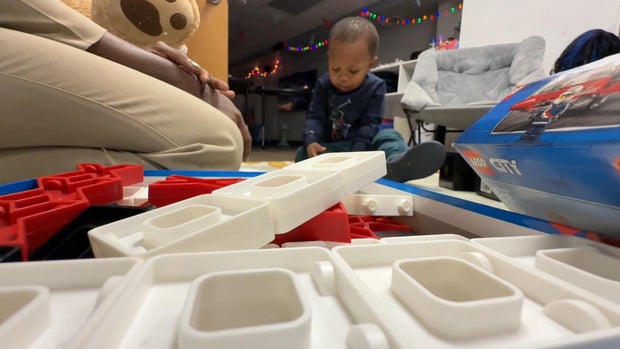
Without care, she says she may have to stay home and would be unable to earn income or pay rent.
"I can't come up with any money if I don't have a job. I don't know how I'm going to pay my bills," she said.
Her older children can attend summer programs. Her youngest cannot.
Providers say they're already feeling the ripple effects.
Woodberry says her enrollment has dropped significantly, forcing layoffs.
Centers need families to stay open, but families can't afford to stay without help.
Providers say the consequences go beyond finances.
Without access to care, some families may turn to unsafe alternatives, like leaving children home or relying on older siblings.
"That is happening a lot," Woodberry said. "If we don't keep these childcare centers open, they are at home taking care of themselves."
There are also concerns about long-term development.
"When they stop learning, they lose it, and then you start all over," Purchase said, pointing to gaps in early education and social development.
Some centers are turning to fundraising and donations just to survive the summer.
Woodbury says she's even willing to go without a paycheck, something she did for years when first opening her center.
"I'm willing to do it again," she said.
For parents like Preston, the future remains uncertain.
"I feel like every time I'm trying to do something good, something's blocking it," she said. "I don't know what I'm going to do."


