Colorado legislature to debate "No Kings Act"
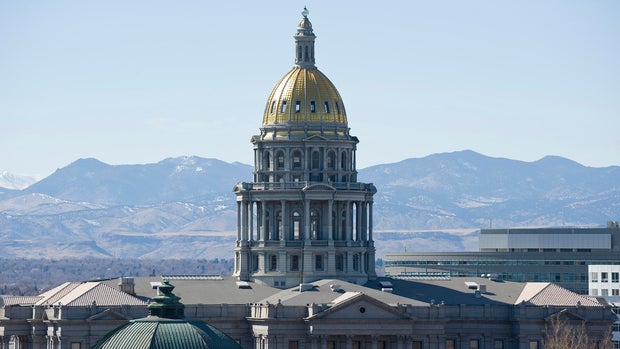
With three weeks left in the legislative session, Democrats in the Colorado Legislature have introduced a bill titled the "No Kings Act." It has sparked a firestorm of controversy.
While the "No Kings" rallies happening across the country are about one specific government official -- President Trump -- the "No Kings Act" at the Colorado State Capitol encompasses every government official.
Under the bill, anyone who believes their constitutional rights have been violated could file a civil suit against any public official in state court.
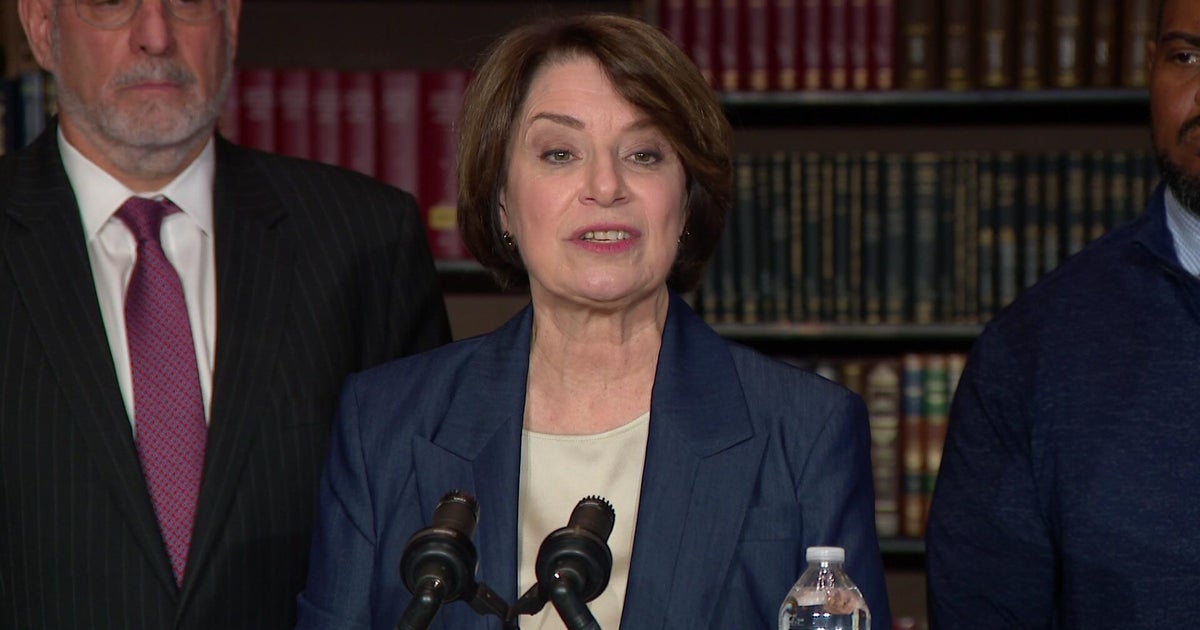
"All over the state and the country we are seeing gross abuses of people's constitutional rights and we don't have sufficient remedies in any law -- state law or federal law," said state Sen. Mike Weissman, who's co-sponsoring the bill with state Sen. Julie Gonzales.
They say people can already sue state and local officials in federal court. Their measure is aimed primarily at federal officials who, they say, aren't liable in any court.
"At the end of day, you ought to be able to seek a remedy in court when your constitutional rights are trampled upon," said Gonzales. "A right without a remedy is not a right."
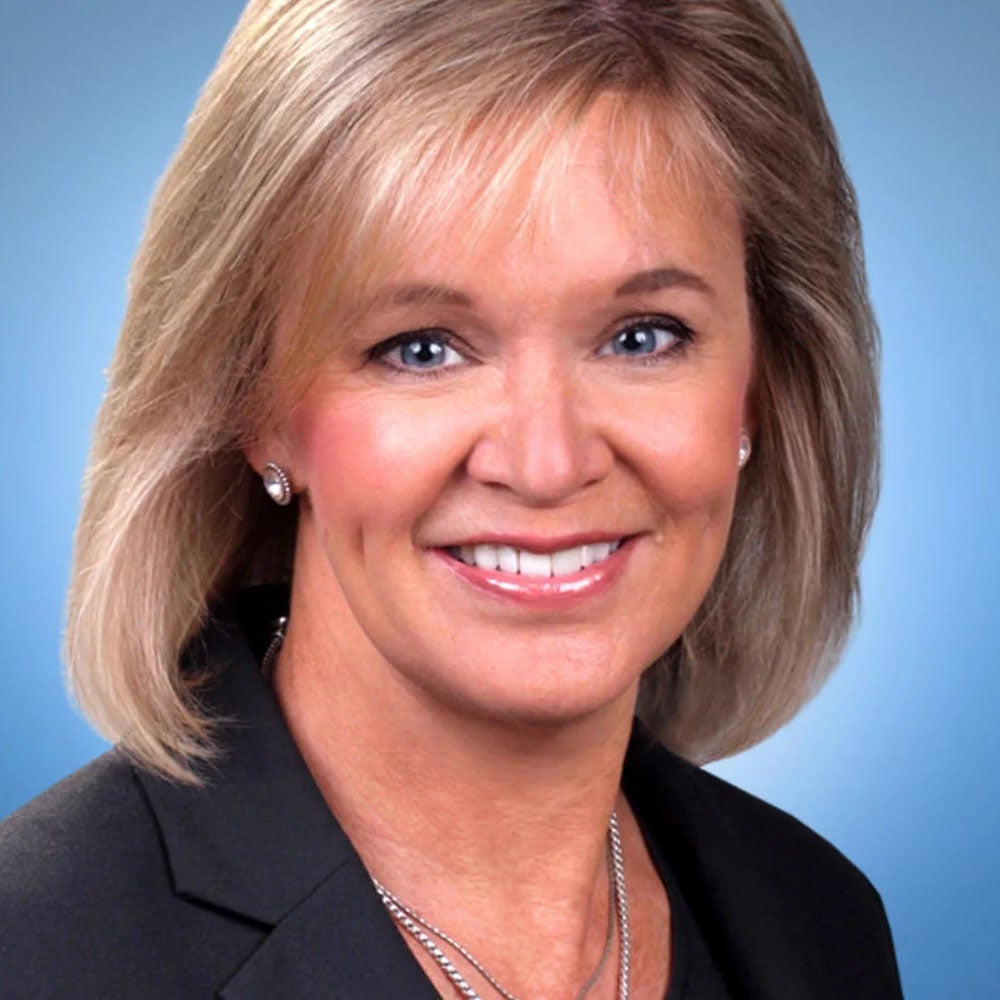
Jessica Dotter with the Colorado District Attorneys Council says federal officials are the only ones who won't be impacted by the bill.
"The problem is, federal employees will have protections. And we know that there is a zero-to-none chance that you will actually be able to successfully sue a federal agent if this bill were to pass," she said.
Dotter says it's state and local officials who would pay the price. While federal courts have provided immunity for them, state courts, she says, aren't bound by federal case law.
"And the state and taxpayers will end up paying millions of dollars," she said.
She says the bill will trigger a flood of civil litigation against everyone from the governor and attorney general to teachers, public health officials, and even a librarian enforcing a book ban.
State and local governments, she says, would be forced to mount a defense regardless of an employee's liability.
"Unfortunately with a bill like this, the chaos that it causes to government functioning requires that settlements be done regardless of whether or not there's blame to be had."
Gonzalez and Weissman insist the bill doesn't create any more liability for state and local officials than already exists under federal law and they note that their bill specifically allows defendants to assert government immunity in state court just as they do in federal court.
They say the only reason they included state and local officials is because, under the Supremacy Clause in the U.S. Constitution, they couldn't legally target federal employees only.
The bill, which mirrors legislation in a dozen other states, is being pushed by a group called Protect Democracy United.
Beau Tremitiere, an attorney with the organization, says the district attorneys' concerns have not been raised in other states to his knowledge.
He insists state and local officials would continue to have government immunity in state courts.
"A court has zero discretion to deviate from the existing rules or create their own. In practice, this means that a lawsuit against a state or local official under this new law would -- in every material respect -- be identical to a lawsuit that can be filed against them today," Tremitiere said.
Dotter says Tremitiere is being "both naive and disingenuous" noting that there is nothing in the bill that mandates state courts apply federal case law regarding government immunity.
"If the bill creates lawsuits 'identical to a lawsuit that can be filed today' as they say, then why is it being passed at all? What is the benefit of bringing these in state court?" asked Dotter. "Proponents have acknowledged that federal employee cases will be removed to federal court. Meanwhile, local and state employees will be subject to state court interpretations of a new state law."
Dotter says New Mexico passed a similar law and its civil rights liability insurance premiums jumped 170%.
In addition to the Colorado District Attorneys Council, UCHealth, the Colorado Association of School Boards, Colorado Association of School Executives, Colorado Community College System, Colorado Municipal League, County Commissioners, the Colorado Organization for Victim Assistance, and Special Districts are also opposing the bill.
Colorado Attorney General Phil Weiser is opposed to it as well. The AG's Office says it has received 66 lawsuits with over 500 claims this fiscal year alone under the current law allowing people to sue public officials in federal court. It says the cases will likely be filed in state court, too, if the bill passes.
Protect Democracy United is also leading the push for a "No Kings Act" in California where there are more groups registered against the bill than for it, including hospitals, chambers of commerce, schools, and law enforcement groups. It's estimated the bill will cost the State of California $70 million.