Drought and wildfires challenge Colorado farms supplying schools through Healthy School Meals for All program

Colorado farmers are facing another difficult growing season as drought, wildfires, and extreme weather continue to affect crops across the state, creating new challenges for a program that helps schools purchase locally grown food.
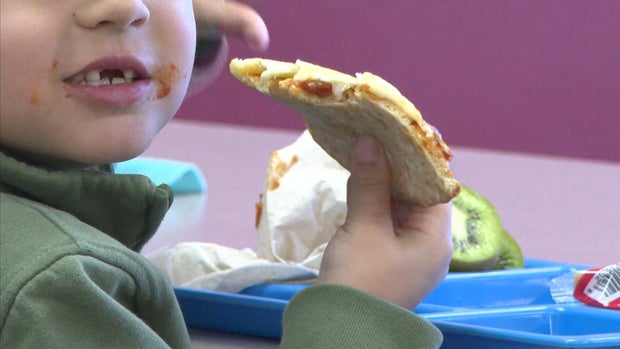
The Healthy School Meals for All program reimburses public schools that provide free breakfast and lunch to students. Funding approved by voters through Propositions LL and MM also allows schools to buy more food from Colorado farmers and ranchers.
But this year's growing season has left some producers with little or no harvest to sell.
At Common Harvest Colorado, a food hub that connects schools with products from about 80 Colorado farmers, ranchers and food producers, leaders say they're already seeing the effects.
"The local food program is going to have an incredible impact," said Kathryn Ardoin, CEO of Common Harvest, Colorado. "This year we'll kick in the funding that falls under what's called the Local Food Program, and that is additional funding for local Colorado-grown food to be part of those school meals."
Even with the added funding, Ardoin said some Colorado-grown products simply won't be available.
"All of the apples, all of the pears ... farms that are not in Palisade proper are experiencing 100% crop loss, which is wild. It's devastating," she said.
On Colorado's Western Slope, a warm winter followed by a late spring freeze wiped out apple and pear crops at some orchards.
"I've been doing this work in Colorado for over 12 years, and I've never seen 100% crop loss like this," Ardoin said.
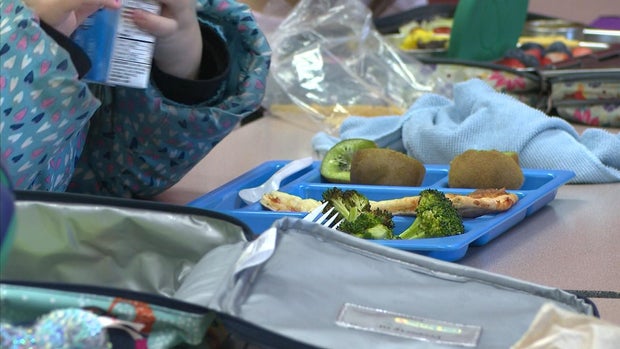
As school districts prepare menus for the upcoming school year, many will have to adjust based on what Colorado farms can supply.
"Without an apple and pear crop, we're looking to other ingredients that are easy to put on a salad bar," Ardoin said. "There will be different ingredients available this year than we hope will be available next year."
Despite the losses, not every crop has been affected. Ardoin said Colorado growers are still producing peaches, apricots, plums and other seasonal fruits.
Food hubs like Common Harvest Colorado are working with schools months in advance to identify replacement products from other Colorado growers and build a more resilient local food system as farmers continue to navigate drought and other climate-related challenges.


