Research being done in Colorado examines how climate change may reshape disease risk, spread

As Colorado experiences more extreme weather, from prolonged droughts and wildfires to heavy rainfall and flooding, researchers are taking a closer look at a consequence of climate change: the potential impact on human health.
A new review co-led by researchers from the Colorado School of Public Health at the University of Colorado Anschutz Medical Campus in Aurora found that climate change is altering the conditions that influence the spread of waterborne diseases worldwide. The analysis, recently published in Nature Reviews Microbiology, examined how changing environmental conditions affect bacteria, viruses and parasites, and what communities can do to reduce health risks.
"Our big question is how is climate change changing the distribution of waterborne diseases and more importantly, what should we be doing to protect people from any changes that may increase risk?" said Beth Carlton, PhD, professor and chair of Environmental and Occupational Health at the Colorado School of Public Health.
The review found there is no single way climate change affects disease transmission.
"One of the big key findings is the impact varies by pathogen," Carlton said.
Researchers found while warmer temperatures generally promote bacterial growth, some viruses — including norovirus and rotavirus — may spread more easily in cooler, drier conditions. The study also highlights how extreme weather can indirectly increase disease risk. Floods and hurricanes can damage water and sanitation systems, and such disasters may force people into crowded living conditions that create additional opportunities for disease transmission, Carlton explained.
The research comes as people are paying attention to cyclospora, a parasite that can contaminate food and cause gastrointestinal illness.
"There actually isn't that much work on cyclospora and climate, and that in and of itself is an issue," Carlton said. "But what we do know is cyclospora and pathogens like cyclospora do well at warmer temperatures."
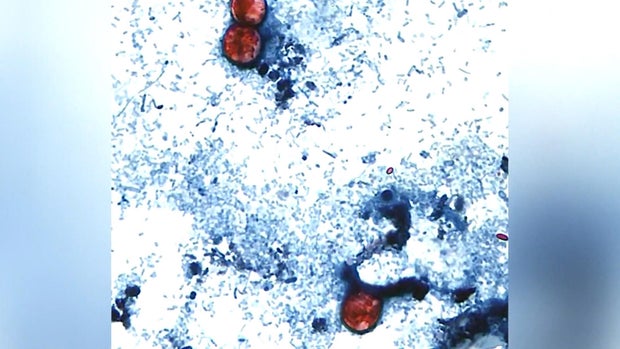
Carlton said cyclospora's connection to water and sanitation makes it particularly relevant to discussions about climate and public health.
"We also know that cyclospora is really closely tied to water and sanitation," she said. "It is shed in human feces. It is acquired by eating something that's been contaminated with human feces, so this overlay of climate and sanitation is really important here."
The review warns that climate change could threaten decades of progress in reducing waterborne disease, which contributes to nearly 1.2 million deaths from infectious diarrhea worldwide each year.
Researchers identified several strategies that can help communities adapt, including investments in resilient water and sanitation infrastructure, disease surveillance programs and vaccination efforts. According to the review, these "no-regrets" investments provide immediate public health benefits while also helping communities prepare for future climate-related challenges.
For Colorado, Carlton said strong water and sanitation systems offer an advantage.
"The good news is climate change has the greatest impacts when it overlays with things like poor infrastructure," she said. "We in Colorado have pretty great water and sanitation infrastructure."
Still, she emphasized that preparation remains critical.
"We need to be building climate resilient infrastructure to make sure we can handle the changing distribution of pathogens in our environment," Carlton said.
Despite Colorado's relatively strong position, Carlton said climate change must remain part of long-term planning discussions.
"Colorado has pretty fantastic infrastructure," she said. "I worry about all the public health cuts that have happened, but I think making sure that climate change is part of the planning for the future of Colorado, we ignore it at our peril."
The researchers conclude that as climate conditions continue to evolve, public health officials should focus less on broad assumptions and more on understanding how individual diseases respond to changing environmental conditions. That approach, they say, will better position communities to anticipate and prevent future outbreaks.


