Drought task force says Colorado wildfires cost taxpayers $266 million
In a recent meeting of Colorado's Drought Task Force, officials said the four largest wildfires in the state have cost taxpayers $266 million.
Chris Sorensen with the Division of Homeland Security and Emergency Management says that figure is the 90-day projected cost to cover response, suppression, and recovery efforts. The largest fires in Colorado over the last month include:
- The Aspen Acres Fire
- The Ferris Fire
- The Gold Mountain Fire
- The Snyder Fire
Sorensen added that state budget cuts have also affected their ability to manage the impacts of severe drought conditions.
"The financial impacts on things that cascade from drought impacts and so forth are tremendous, and in light of cutting $2.5 billion out of the state's budget over the past 15 or 18 months, that's a very notable number," said Sorensen.
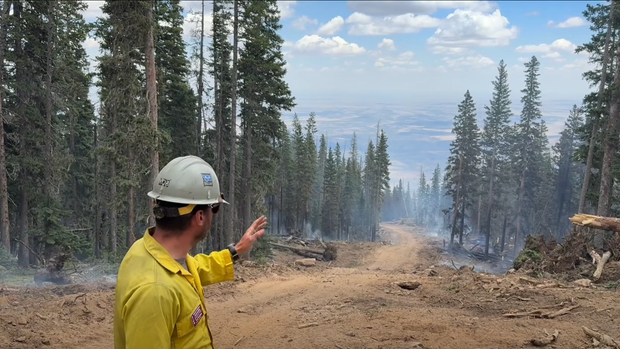
He said that some areas are still not safe for crews to access, and so the exact number of structures damaged by these fires is not yet known. He added that, so far, hundreds of homes have been lost over the last 30 days. Sorensen warned that the years of cleanup, impacts, and disruption will continue to cost the communities that have been affected.
Sorensen also lamented the loss of firefighters in western Colorado and the pilot who died while battling the Gold Mountain Fire. Three people were killed when a burnover event happened while fighting the Knowles Fire. One of the two injured firefighters who survived has since died of his injuries.
"So, the impacts are widespread and all interrelated," said Sorensen. "We've heard so many things, but let's keep in mind all of those impacts, including the lives that are lost."
Despite the recent monsoon rains, drought conditions remain across the majority of Colorado. This not only creates the possibility of more fires sparking, but it also impacts water supply and agriculture. As some areas run low on water, ranchers have begun selling off parts of their herds.
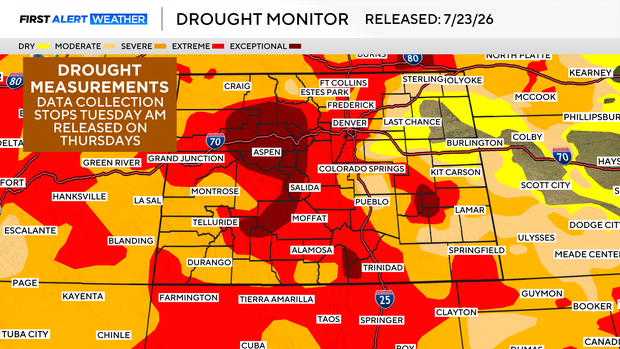
On June 4, Colorado Gov. Jared Polis activated phase three of the state's drought response plan and issued a statewide drought emergency proclamation. This move brought together leadership from state agencies to help local, regional, and sector-specific areas manage the impacts of worsening drought conditions.


