Drought forces Northern Colorado volunteers to stop planting seedlings along Cameron Peak burn scar

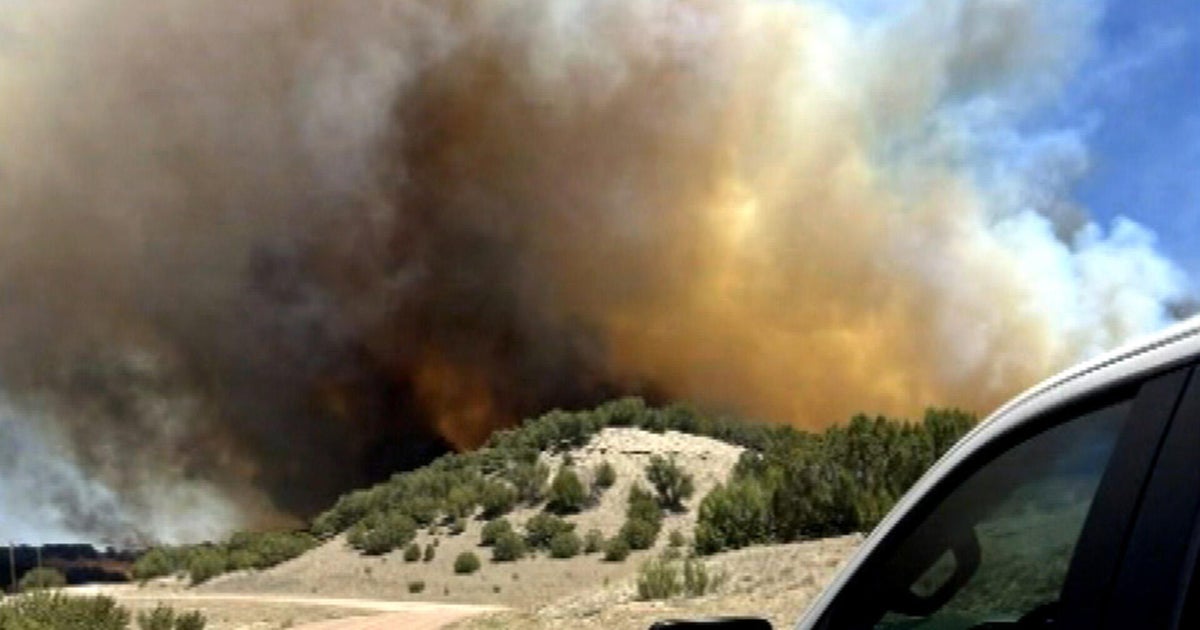
A dry winter in Northern Colorado is forcing volunteers working to restore areas burned by the Cameron Peak Fire to put tree-planting efforts on hold, highlighting the growing challenges drought poses to long-term wildfire recovery.
Since the Cameron Peak Fire scorched hundreds of thousands of acres across Northern Colorado in 2020, crews have worked to rebuild damaged communities, restore water infrastructure and replant forests lost to the state's largest wildfire.
But this year, members of the Larimer County Conservation Corps say conditions are simply too dry for new seedlings to survive.
For volunteer Trip Aske, conservation work is both meaningful and personal.
"I like being outside," Aske said. "So just being able to work outside in nature is just nice."
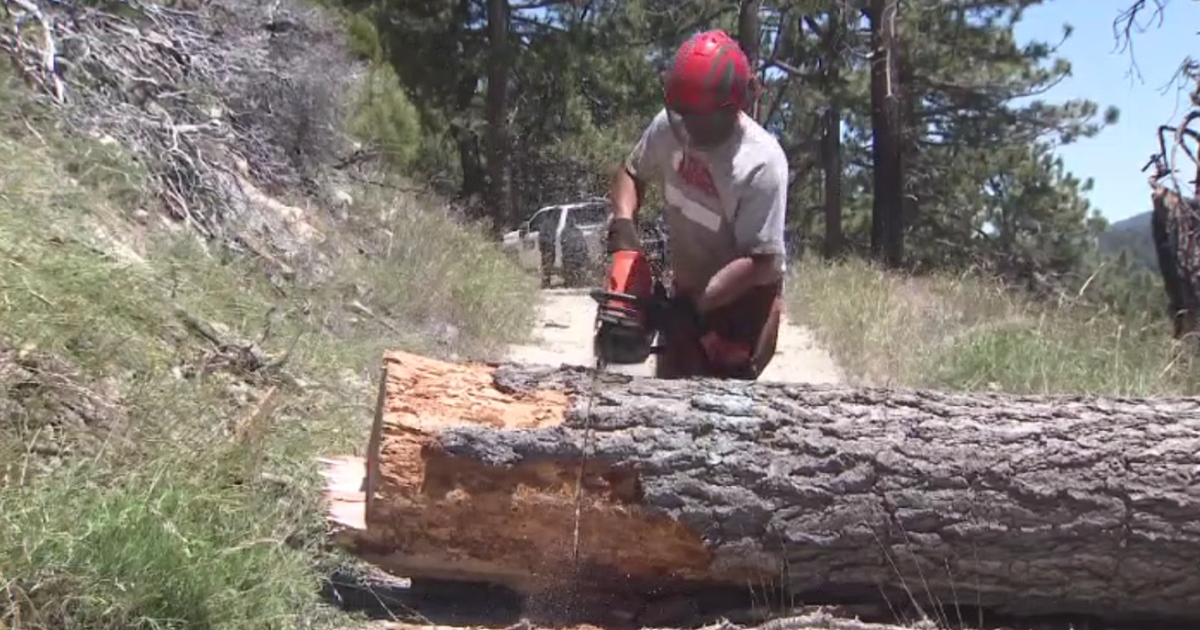
The corps regularly clears dead trees and plants seedlings throughout the burn scar.
"The whole area's burned to heck, and with that, we lose a bit of biodiversity," Aske said.
However, a lack of winter moisture in 2025, into 2026, has made reforestation efforts increasingly difficult.
"The drought. We had so little snow this year that the snowpack was at like 50% of what it should be. And, because of that, the trees up there won't survive," Aske said.
Aske worries the dry conditions may also threaten work that was already completed.
"I feel bad for the trees that we planted last season, because they're probably not going to make it either," ASke said.
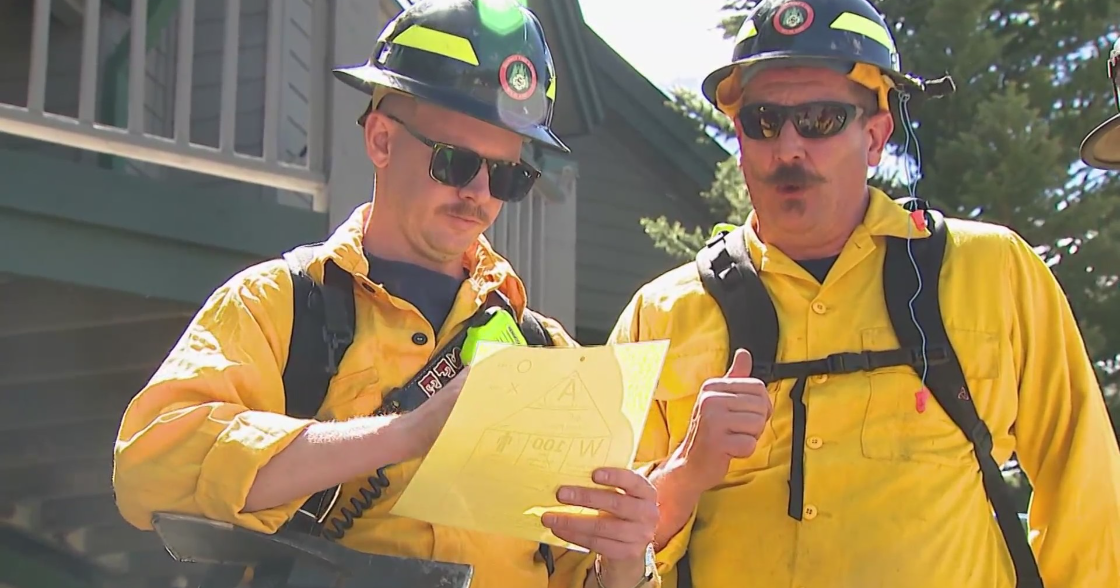
Rather than remain idle, the conservation corps shifted its efforts elsewhere, traveling south to assist with wildfire mitigation projects near Colorado's Great Sand Dunes.
"We helped Zapata Ranch down in the Great Sand Dunes area do some wildfire mitigation down there, so that if a fire does break out down there, it won't affect any of the structures that people live in currently," Aske said.
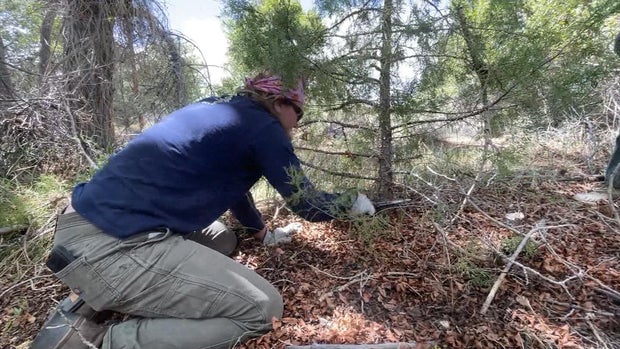
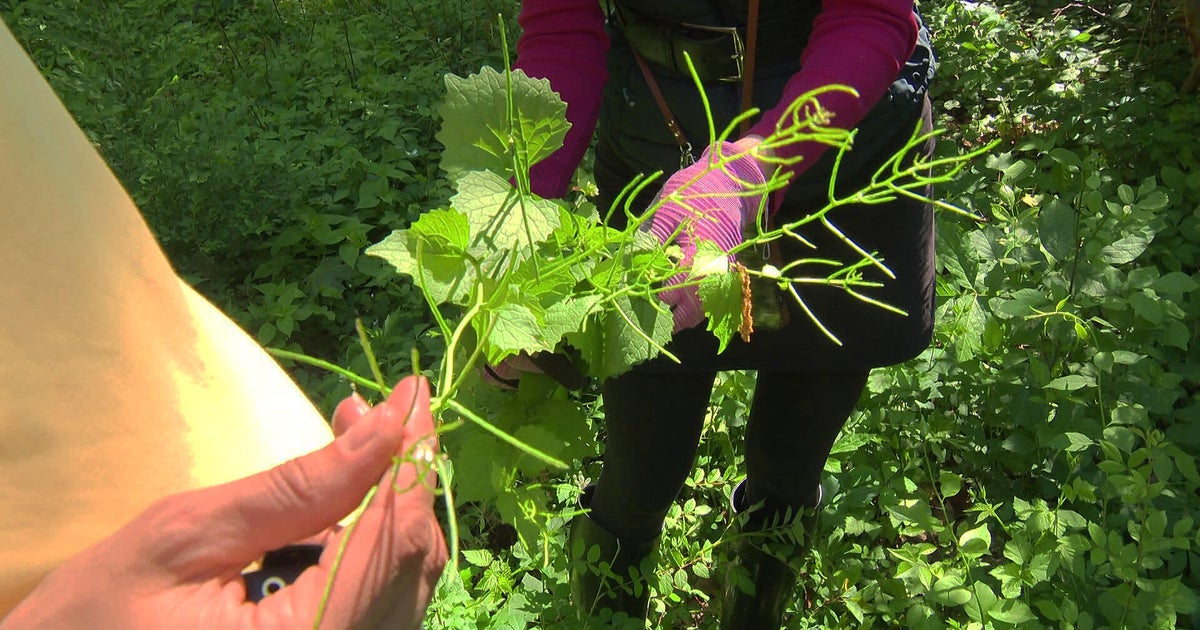
Volunteers removed dead trees, invasive species and other fuels that could contribute to future wildfires, applying lessons learned from Larimer County's recovery efforts.
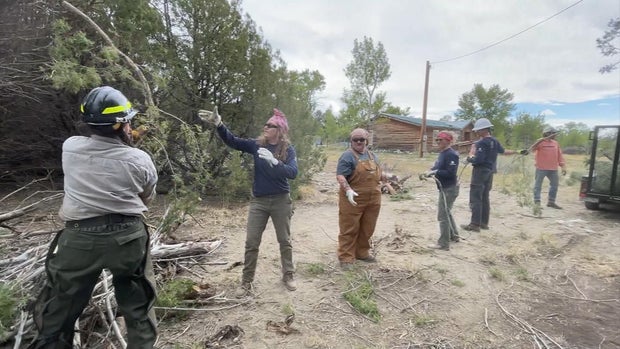
Despite the setback to local tree planting, Aske said the team remained committed to conservation work.
"Oh, there's always more to do, you know. We could take the year off, but then it would just stack more issues for next year," Aske said. "It might be on a small scale, but if everybody works on a small scale, that's what creates big change," Aske said.
In a statement, The Nature Conservancy said the dry winter reflects a broader challenge facing post-fire recovery efforts across Colorado.
"As Colorado faces longer wildfire seasons, warmer winters, and persistent drought, this winter underscored a hard truth: post-fire reforestation is no longer a guaranteed management option," the organization said.