Dr. Daddio became known as the father of Black radio in Denver, but the journey to that title was far from easy
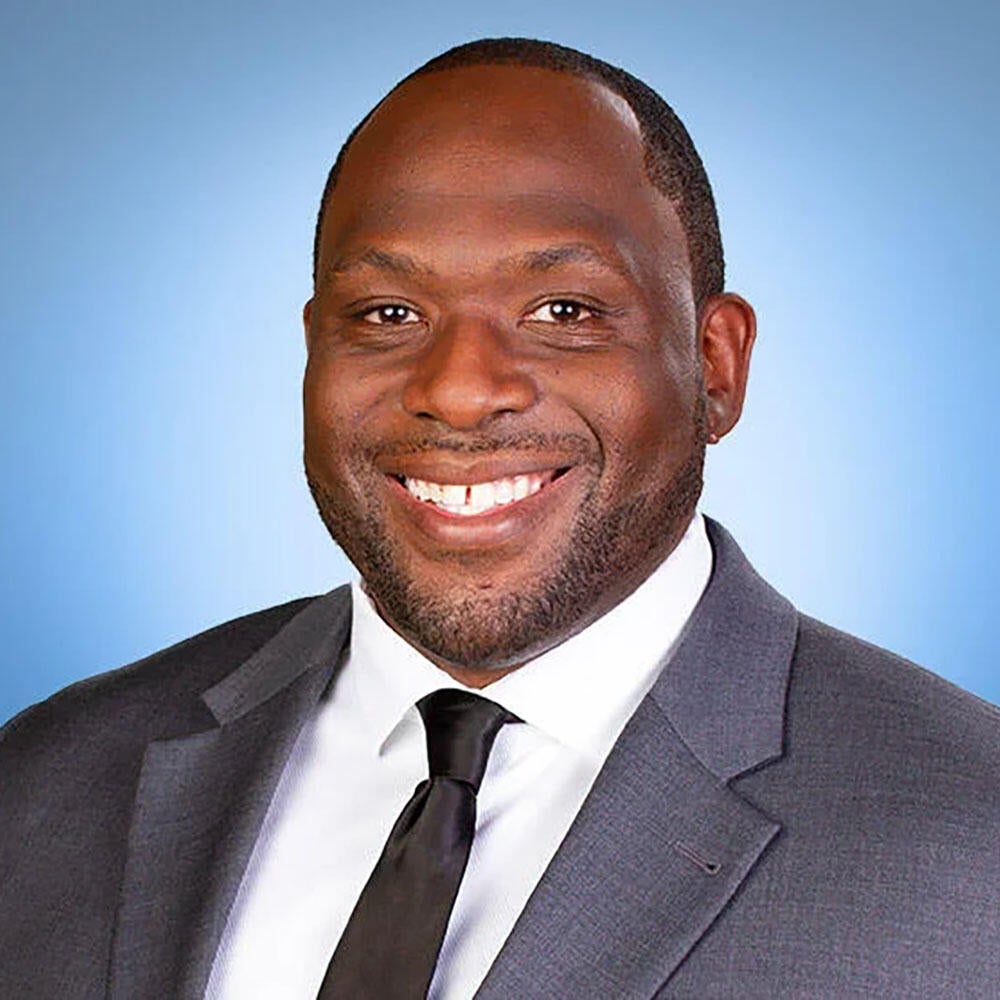
For 35 years, James "Dr. Daddio" Walker's voice poured out of radios across Denver, bringing soul music, and a sense of unity to the Mile High City.
"When I think of soul music, my heart fills because that was my dad," said his daughter, Yolanda Walker.
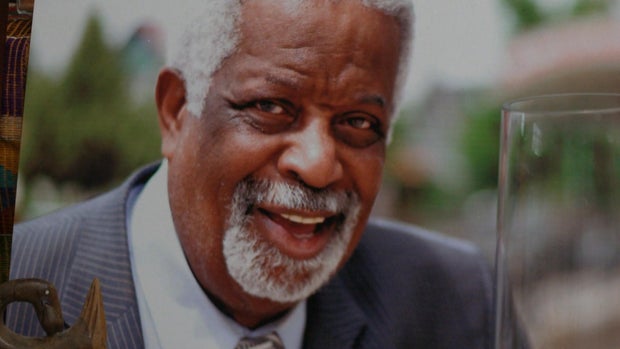
To her, soul music isn't just a genre. It's her late father's booming greeting that opened countless evenings on the air: "Ahhh, good evening out there everybody! Walk easy, my son! Welcome in for the Daddio! The swinger of the radio, the boss with the hot sauce! I say good evening!"
Walker, who died last month, became known as the father of Black radio in Denver, but his journey to that title was far from easy. He moved to Denver in 1967 and struggled to find work, knocking on doors across the city with no luck. That changed when he walked into KDKO, then a small country station, with a bold pitch.
"I'm going to bring you a product," Walker told station leaders, according to his daughter. "And if you're on board, you'll be profitable."
His idea was simple but transformative: flip the format and bring soul music to Denver's airwaves.
It worked.
KDKO rebranded as "The Soul of the Rockies," becoming a cultural cornerstone for Black listeners across Colorado. In 1989, Walker made history, becoming the first African American to own an urban radio station west of the Mississippi River.
"That was important to him," Yolanda Walker said. "For Black people to have a voice. To tell their story accurately. Not watered down. Not sugarcoated."
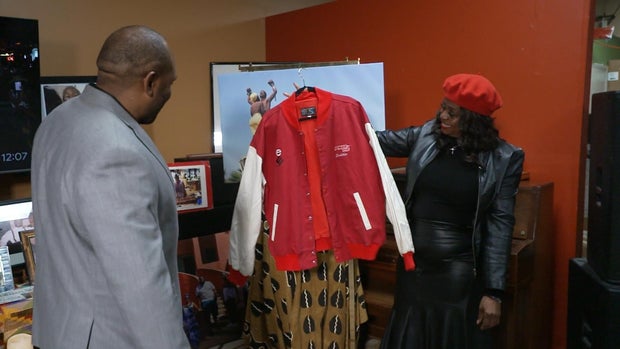
Walker later moved the station to Denver's historic Five Points neighborhood with a new slogan: "Unity in the Community."
"That slogan took off," Walker said. "Wherever we traveled, people would say, 'Unity in the Community!' And he'd smile. That was his life."
Beyond the studio, Walker mentored students in Denver Public Schools and launched the first Juneteenth celebration in Montbello. He also brought major artists to Denver, including James Brown, Gladys Knight and The Temptations.
"Just like we're sitting here, they'd be in the backyard having a barbecue," Yolanda Walker said.
In 2002, Walker sold KDKO. A move his daughter described as heartbreaking.
"Not just for the staff, for the community," she said. "It felt like there was no more vehicle to speak your truth."
But his influence continues to ripple across Denver's airwaves.
Timmale Dotson, better known as Maleman, now hosts afternoons on 104.7 The Drop.
"You know, hearing Dr. Daddio, Black voices, Black music, that really didn't exist until Dr. Daddio did that," Dotson said.
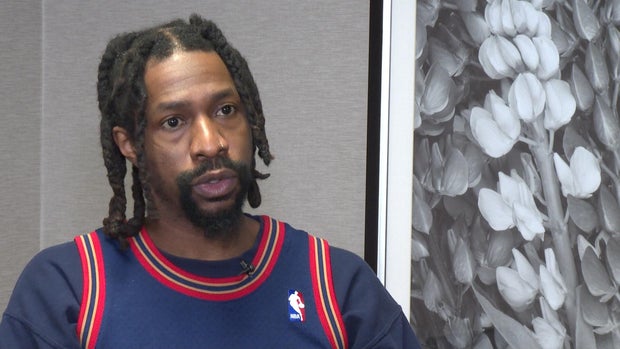
Dotson credits Walker for paving the way for stations like The Drop and KUVO.
"He paved the way for people like me to get on the air, talk hip-hop, soul, R&B and represent the culture authentically," Dotson said. "He directly paved the way."
Walker's legacy is more than music. It's ownership. It's representation. It's unity.
And in Denver, his voice still echoes.