Colorado mothers decry conditions, impact of juvenile detention amid civil rights lawsuit

Colorado's youth detention facilities are at the center of a civil rights lawsuit alleging that children are being kept beyond their court-ordered release dates.
Advocates say the impact is irreversible.
"These are children, and most children that come out of (the Division of Youth Services) come home more broken, more traumatized, and more violent than when they went in," one mother said. She asked not to be identified.
CBS News Colorado spoke with two mothers who each have a child currently serving a court‑ordered sentence in the Division of Youth Services. Both are fighting for change.
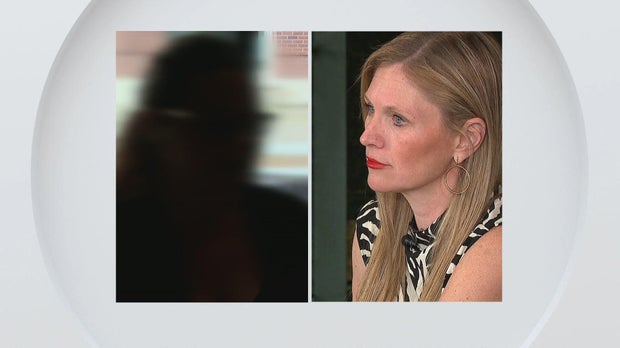
"They need options, they need help, they need structure to be able to be in the community," another mother said, "and the adults need to have the training to help our kids."
Those concerns are echoed in the lawsuit filed last week by groups including Disability Law of Colorado and the ACLU of Colorado. The suit argues that the Colorado Department of Human Services is failing to provide community‑based services that youth offenders are legally entitled to, instead keeping them in facilities the lawsuit describes as "dangerous and harmful."
Attorneys for the children say in the lawsuit that the state's own data shows that in fiscal year 2024-2025, the state held 693 kids in secure detention facilities for at least one day after a court considered them releasable. Of those 693, over 140 were kept for over 30 days after a judge deemed them releasable.
"We are at a point where we need true accountability and transparency and honesty from the very system that is supposed to be protecting them and helping families navigate these things," one parent said.
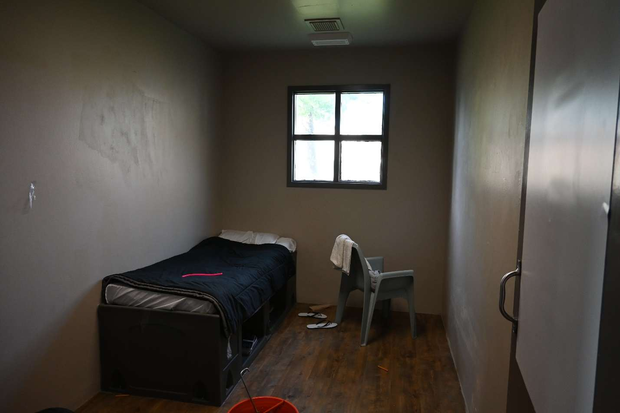
CDHS says it cannot discuss specifics because of the ongoing litigation, but did address concerns about security at youth facilities. Alex Stojsavljevic, the new director of the Division of Youth Services, said the population they serve has shifted.
"We really are looking at these safety measures holistically, because unfortunately, the population that we're serving today is not the same population we were serving even five years ago," he said. "We know that the youth coming to us today are being charged with more violent and serious crimes."
Stojsavljevic said he has developed what he calls a "business plan" for improving safety. "That said, we also need to be able to balance that with the programming piece, with family engagement," he added.
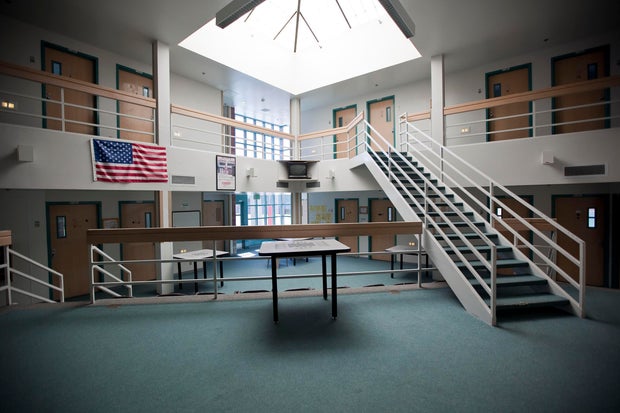
For families navigating the system now, there is hope that moving their concerns into a courtroom will bring more transparency and more action.
"I have hope, and I know that even if it doesn't turn around right away, this is the first step," one of the mothers said.


