Bills to reform juvenile justice system, boost housing development signed into law in Maryland
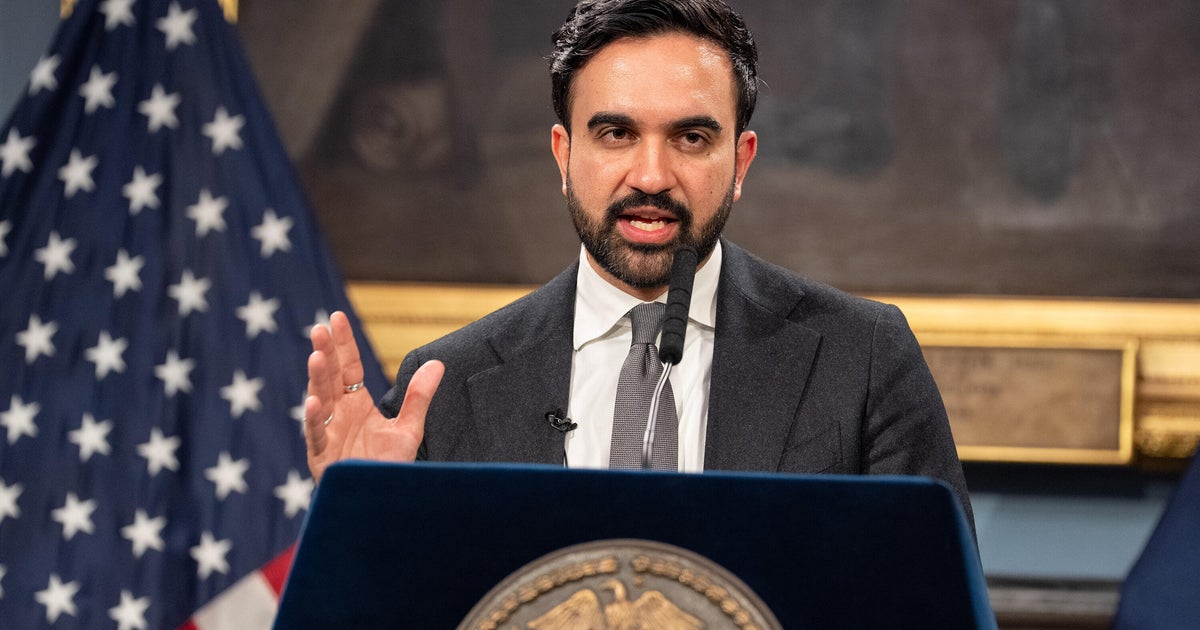
Another batch of bills was signed into law in Maryland Tuesday, with some aiming to reform the state's juvenile justice system and improve housing development opportunities.
This is the governor's final bill signing ceremony following the end of the 2026 legislative session.
Youth Charging Reform Act
Among the bills signed into law Tuesday is the Youth Charging Reform Act, which will prevent some juvenile offenders from being automatically charged as adults and will change how some teens accused of serious crimes are prosecuted in court.
Under the measure, juveniles will still be automatically charged as adults for serious violent crimes, including first-degree murder, attempted murder, rape, and attempted rape.
Certain teens 17 and under who are charged with crimes like first-degree assault and some drug and weapons offenses will see their cases in juvenile court instead of being transferred.
Some elected leaders have called the decision risky and have spoken out against the legislation.
"As a public policy perspective, though, I just don't think the public wants to see soft-on-crime initiatives right now," said State Del. Lauren Arikan. "So now we're going to start them in the lower system. There could be higher rates of recidivism. I don't know. Only time is really going to tell us if this if this method is actually going to improve things."
The measure will take effect on Oct. 1.
Booting housing development
The governor also signed the Maryland Housing Certainty Act into law Tuesday. The measure seeks to ensure that housing developers can build projects following the local regulations that are in effect at the time when an application is submitted.
The legislation also delays local impact fees and taxes until construction is complete.
The Maryland Transit and Housing Opportunity Act was also signed into law, which aims to address Maryland's housing shortage by preventing local governments from having minimum off-street parking requirements.
The measure also allows for zoning policies to be overriden near some high-frequency rail stations, allowing for development near transit hubs.