Colorado lawmakers approve Ibogaine research bill
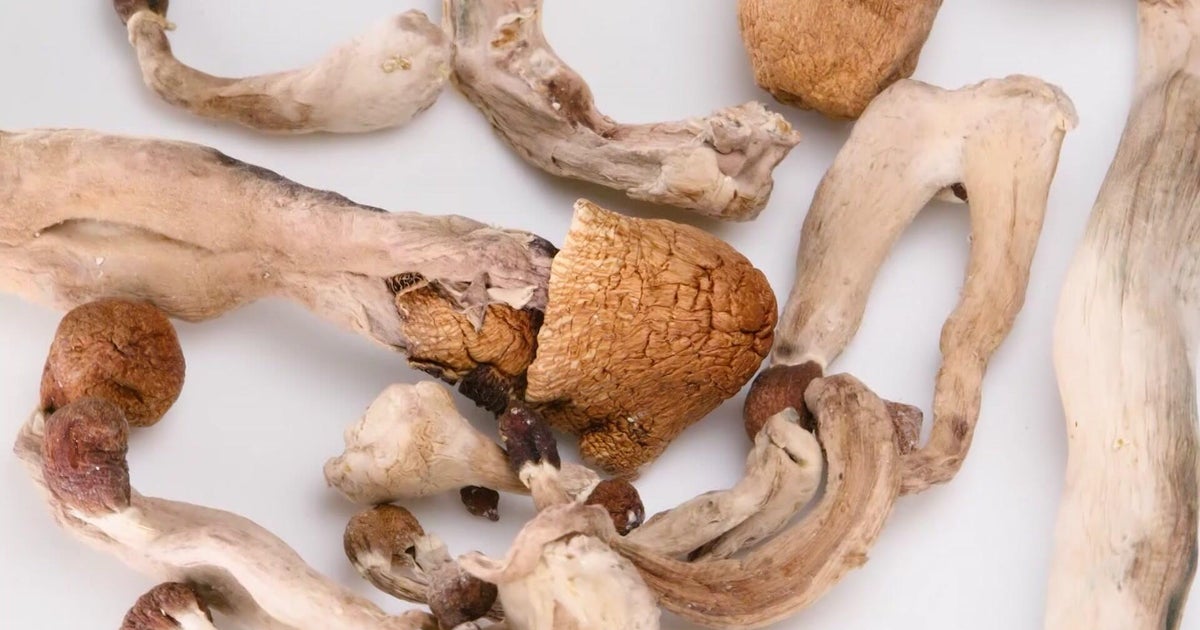
A groundbreaking bill is now waiting for the governor's signature to become law. It will create a first-of-its-kind Ibogaine research pilot program, paving the way for Colorado to study the psychoactive compound that claims to treat PTSD, addiction, and mental health.
There are still a lot of details to be worked out, including where the funding for this research will come from.
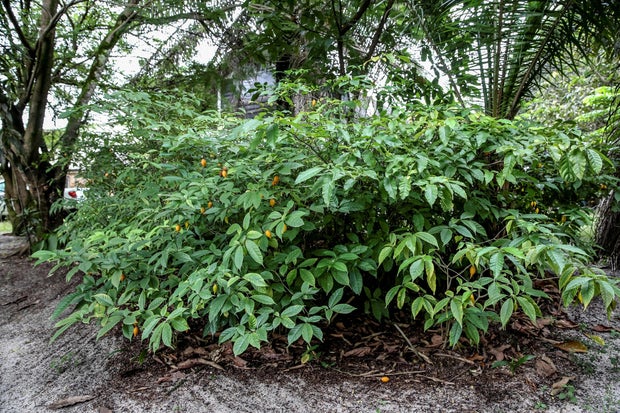
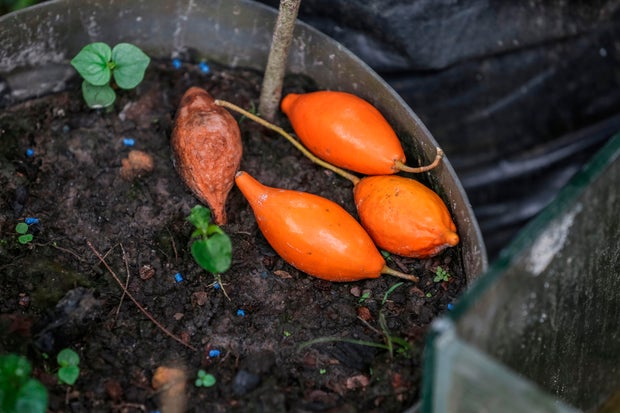
Ibogaine is a psychoactive compound that comes from the iboga shrub, native to Central Africa. This bill requires a "benefit sharing plan" with Indigenous communities in the sourcing of Ibogaine.
"The pain adds up over a long time, and there were some pretty traumatic events that happened where I was not able to regulate my emotions," said Nicholas McClellan, co-founder of Colorado for Ibogaine.
McClellan says he found Ibogaine at his lowest point.
"I had tried talk therapy, EMDR, neurofeedback, diet, exercise, and I was just kind of running out of treatment options," said McClellan. "It was really just an act of desperation that led me to go down to Transcend Clinic in Mexico."
At an Ibogaine clinic in Mexico, McClellan says he received the treatment under the oversight of a doctor and two nurses.
"Your heart rate is monitored the whole entire time, and you're in a room with three other people, and you have like a night shade, and you take ten pills," said McClellan. "I kind of just had an overall sense of well-being and love, and this presence showed up and said it's going to be okay, and I got you."
McClellan says the effect was immediate.
"Instant nervous system reset overnight. You know, it's still helping me to this day," said McClellan. "It made me think this needs to be researched."
"We know there are risks of Ibogaine, and so that's where we have to have caution here as we roll out an Ibogaine protocol here in Colorado," said Andrew Monte, associate director of Rocky Mountain Poison and Drug Safety at Denver Health.
Experts say that while early research suggests Ibogaine could be promising in the treatment of PTSD and addiction, they also suggest Ibogaine may cause potentially fatal cardiac complications.
"This drug must be taken in a medical facility with the appropriate training, because otherwise this can be quite dangerous and people may die," said Monte.
Monte says more research is needed into the safety of Ibogaine.
"The initial observational studies are promising, but those are not clinical controlled trials like you would see that are necessary for pharmaceutical approval by the FDA. So we're still very early on in this stage. In fact, there are no randomized control trials of it," said Monte. "Ibogaine has tremendous potential, but it's really understudied at this time."
"Let's let the data and science lead the way," said McClellan.
As a co-founder of the nonprofit "Colorado for Ibogaine," McClellan helped craft an Ibogaine research bill and testified at the Capitol. Last week, the state legislature passed the bill.
"It's amazing, it feels great, but there's still a lot of work to do," said McClellan.
The bill creates an Ibogaine research program under the Behavioral Health Administration, which may approve up to five Ibogaine pilot sites.
It requires compliance with the FDA's Investigational New Drug process and mandates medical oversight and safety protocols during research.
"They're all required to have the utmost safety protocols and require data and do a scientific study," said McClellan.
McClellan says the research may include three-phase clinical trials, as well as smaller studies.
The bill creates the Ibogaine research pilot program cash fund, to be funded largely by gifts, grants, and donations. The bill did not include a fiscal note, meaning no state dollars have been allocated to the program at this time.
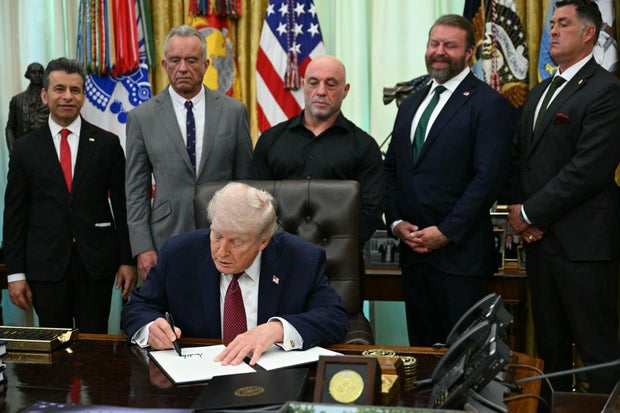
Colorado could receive some federal grant dollars for this research, coming from the executive order on psychedelics that President Trump signed last month.
McClellan is hopeful that opiate settlement money could be used for the research. Right now, he's working on fundraising as he awaits Governor Polis's signature.
"My ultimate hope for Ibogaine in Colorado is to reduce suffering and trauma and addiction in Colorado," said McClellan. "If you're suffering an addiction or trauma, don't give up, keep walking, there's always hope, there's always a way out. And we're trying to upgrade these systems to help people."
Once signed into law by Gov. Polis, rulemaking will take place on the specifics of how the pilot program will work. And eventually, the Department of Revenue would integrate Ibogaine into its regulatory framework.
Three state agencies will ultimately be involved: the Behavioral Health Administration, the Department of Revenue, and the Department of Regulatory Agencies.
A DOR spokesperson shared the following statement on the agency's anticipated role:
"Once HB26-1325 is signed, the Department of Revenue will gain broader authority to integrate ibogaine into its regulatory framework; however, a definitive start date for implementation has not yet been set. The bill does not provide a specific funding allocation; therefore, implementation is dependent on the DOR obtaining resources for staffing and programming.
Ultimately, HB26-1325 signifies an incremental approach toward including ibogaine in the regulatory program; however, a definitive start date for implementation has not yet been set.
The DOR would be responsible for regulating the supply chain. This would involve issuing licenses to authorize ibogaine cultivation and product manufacturing. DOR would also license and regulate healing centers where ibogaine services would be provided. These services would be provided by DORA-licensed facilitators. The DOR's vision for the inclusion of ibogaine would be to ensure that ibogaine is sourced ethically and sustainably, that participants are protected during ibogaine treatments, and that appropriate regulatory guardrails are in place, such as requiring healing centers to have certain equipment, like EKG machines, for all ibogaine treatments. In addition, the DOR would solicit input from stakeholders, including outreach to members of traditional and indigenous communities, to inform the regulatory framework for ibogaine. The DOR began consulting with the governor-appointed Natural Medicine Advisory Board on these subjects, and will continue to do so to inform the inclusion of ibogaine in the regulatory framework.
The pilot program assigned to BHA is separate from the regulatory program."