Broomfield voters to decide whether the Colorado city's mayoral terms should expand from 2 years to 4
Broomfield voters will decide this November whether the city's mayor should serve four-year terms instead of the current two-year terms. It comes after Broomfield City Council approved placing the proposed charter change on the ballot.
The ordinance passed by a vote of 9-1 during the council's second and final reading Tuesday night, moving the decision to voters. If approved, the change would extend the mayor's term from two years to four years.
The proposal comes as Broomfield continues to grow more than six decades after becoming a city.
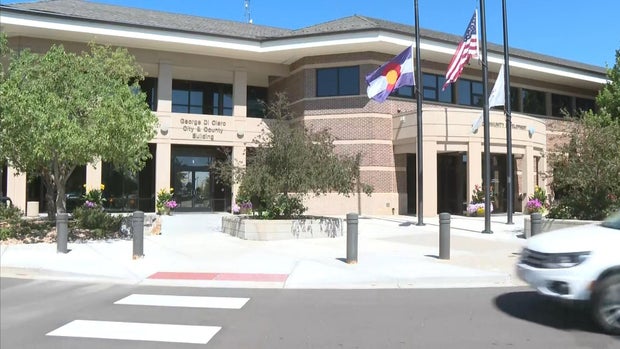
When Broomfield was incorporated in 1961, the community had about 6,500 residents and covered roughly 1.5 square miles. Today, Broomfield is both a city and a county with more than 74,000 residents across approximately 34 square miles. City officials project the population could grow to 125,000 people over the next 25 years.
Supporters of the change say a four-year mayoral term would provide more stability and give elected leaders additional time to complete long-term projects in a growing community.
Broomfield Councilmember Todd Cohen said the current two-year structure can make it difficult for mayors to see initiatives while also preparing for frequent election cycles.
The proposed change would bring Broomfield closer to the structure used by many other cities across the Denver metro area. Cities including Aurora, Arvada, Denver, Lakewood, Littleton, Parker, Golden and Centennial currently have four-year mayoral terms.
Broomfield is one of the few larger communities in the region where the mayor serves a two-year term. The mayor can currently serve up to three consecutive two-year terms, while council members serve four-year terms.
According to city data, Broomfield has had 11 mayors since its incorporation. Those mayors have served an average of about six years in office, with most serving the maximum number of terms allowed. Only one mayor has lost a reelection bid.
Supporters also point to the changing cost of local elections as part of the discussion.
In 2019, Broomfield mayoral candidates Pat Quinn and Kevin Kreeger raised approximately $36,000 and $33,000, respectively. In 2025, Mayor Guyleen Castriotta raised about $47,000, while challenger Kim Groom raised about $16,000 and received support from a $40,000 independent expenditure campaign.
Supporters argue longer terms could reduce the frequency of campaigns and allow mayors more time to focus on governing.
Opponents of longer terms say shorter election cycles give voters more frequent opportunities to evaluate their leaders and bring new voices into city government.
The mayoral term proposal is one of several charter amendments approved by council that will appear on the November ballot.


