50 years later, the Big Thompson Flood in Colorado is still an important reminder to be weather aware

As Colorado celebrates its 150th birthday, there is another anniversary that is not as uplifting. July 31, 2026, is the 50th anniversary of the devastating Big Thompson Flood. This week's heavy monsoon-charged rains serve as a powerful reminder that flash flooding remains one of the most dangerous weather threats we have in the Rocky Mountain region.
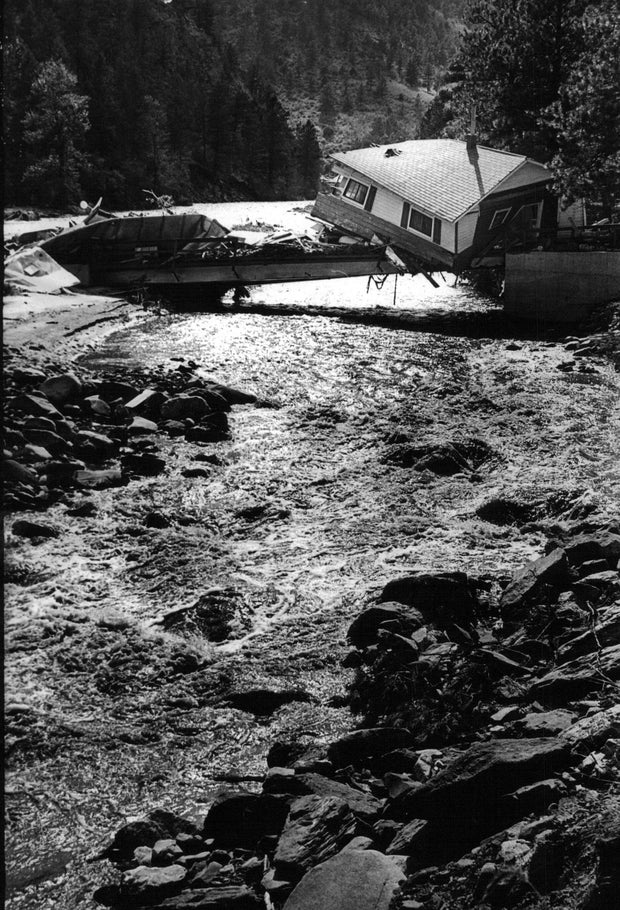
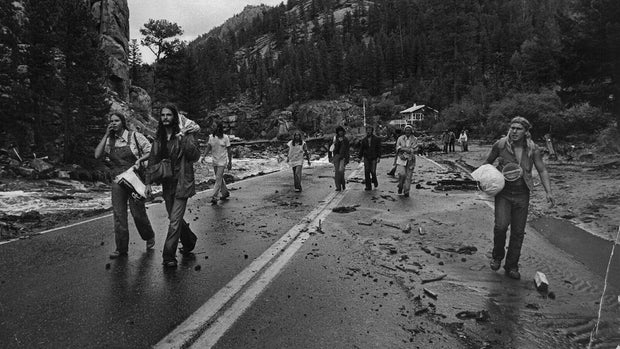
On the night of July 31st, 1976, Colorado's monsoon season unleashed a torrential burst of rain from a nearly stationary thunderstorms across the Big Thompson Canyon between Estes Park and Loveland. In a matter of hours, more than a foot of rain fell over the area, causing a wall of water to push down the canyon, destroying everything in its wake. That included homes, vehicles and campgrounds. A total of 144 people were killed in one of the deadliest flash floods in Colorado history.
Over the last two weeks, our home state has experienced repeated rounds of heavy rain across parts of the Front Range, foothills and mountain burn scars. The burn scars have been most susceptible this summer with new fires created this season and old burn scars from years past.
Colorado's monsoon pattern peaks during July and August as moisture from the southwest pushes northward into the Rockies. This is what happened in the Big Thompson back in 1976, when slow-moving thunderstorms dumped copious amounts of rain over mountainous terrain.
Even now, 50 years later, it is important for all of us to remember in monsoon season heavy thunderstorms will most likely happen often through the end of the summer and the danger of flash flooding will always be higher for burn scars, narrow canyons, campgrounds and areas near streams and creeks. Water can always rise rapidly with little to no warning if thunderstorms are in the area during monsoon season.
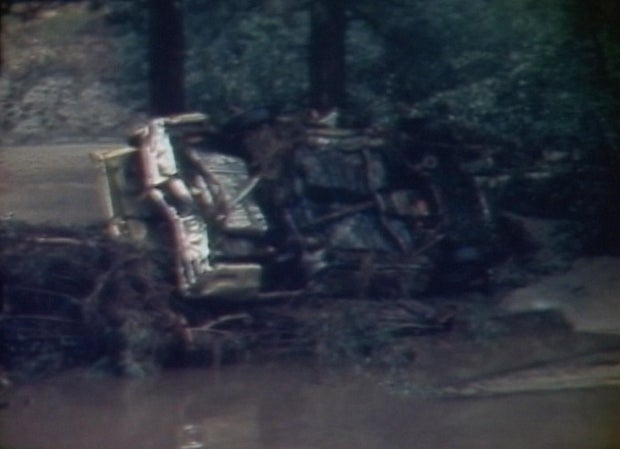
State and national emergency response procedures were dramatically changed because of the Big Thompson catastrophe, improving things like alerts, floodplain building bans and better infrastructure design. But it is important to always remember that even with improved technology, flood-making storms can still develop fast and many times without warning. The flooding rains we have seen already this month show that flooding and flash flooding will always be a part of Colorado weather and being weather aware at all times is just as important today as it was 50 years ago.


