Aurora offers help replacing Colorado lawns with drought-tolerant alternatives as drought restrictions tighten

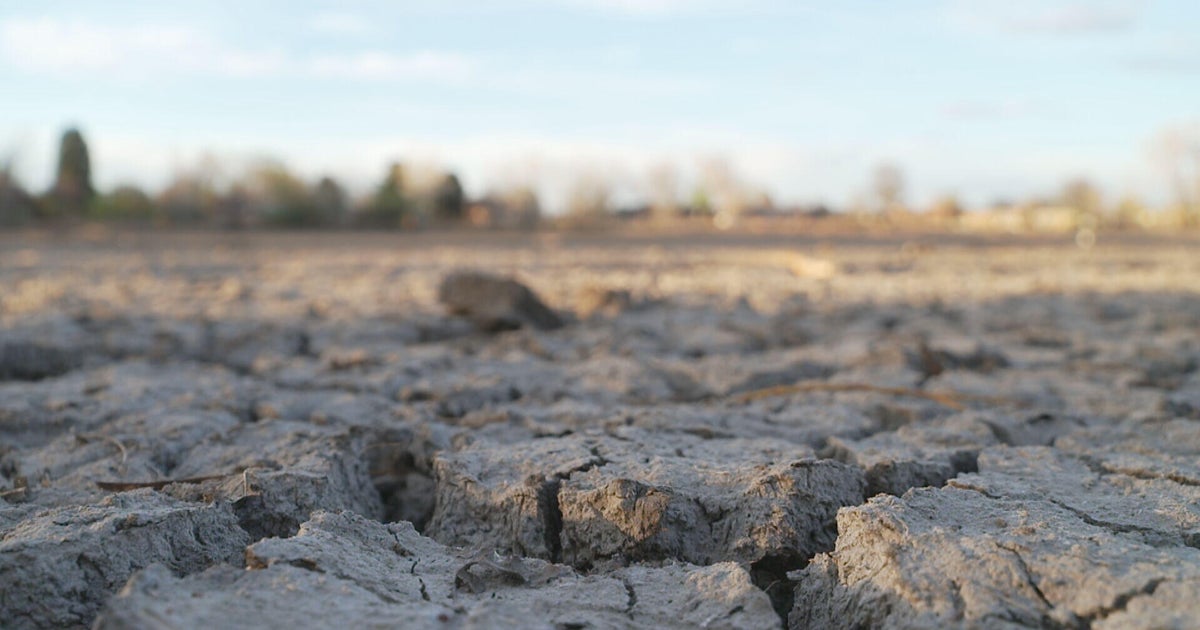
As drought conditions worsen and new water restrictions take effect, Aurora is pushing residents to rethink their lawns. The city is even offering money to help.
Through its Grass Replacement Incentive Program, or GRIP, Aurora Water is paying residents to replace traditional turf and replace it with more sustainable landscaping.
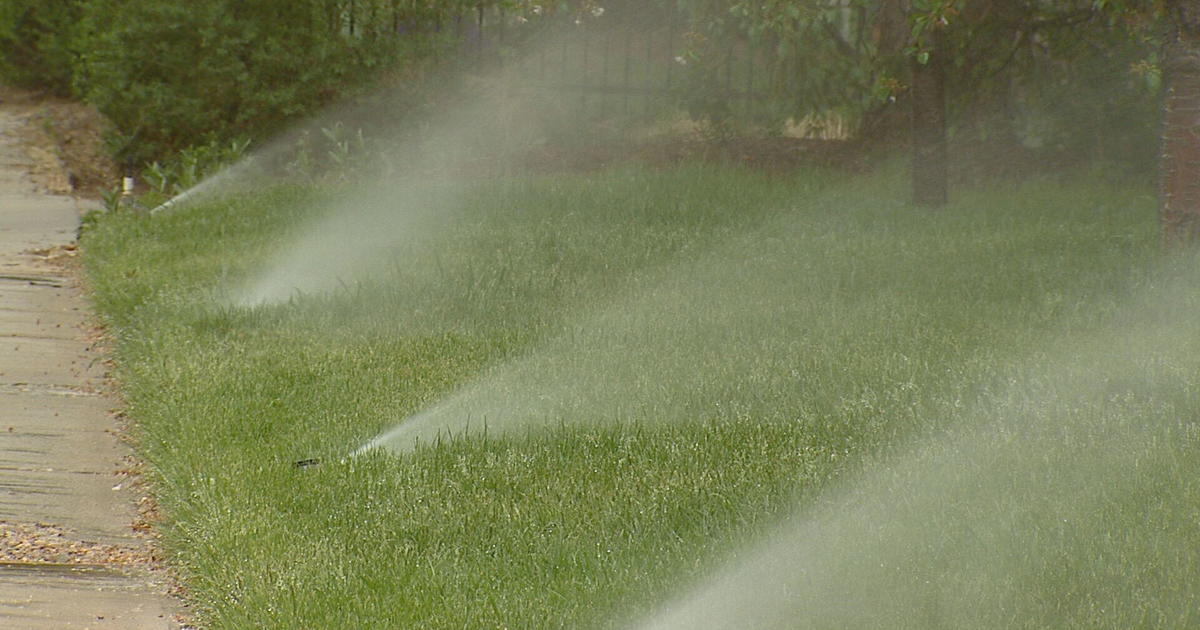
"The ubiquitous water-guzzling grass is Kentucky bluegrass," said Diana Denwood, Aurora Water's conservation supervisor.
She says that type of grass requires about 28 inches of additional water each year beyond natural rainfall to survive.
By comparison, water-wise landscapes, made up of native plants, shrubs and mulch, can cut water use dramatically, sometimes requiring little to no supplemental watering.
To encourage that shift, Aurora is offering rebates through GRIP:
- Up to $3 per square foot for traditional water-wise landscaping
- 50 cents per square foot for native, low-water grass
Denwood says one common misconception is that the most water-conscious option is to cover a yard entirely in rock or artificial materials, often called "zeroscaping." But she warns that approach can actually create new problems.
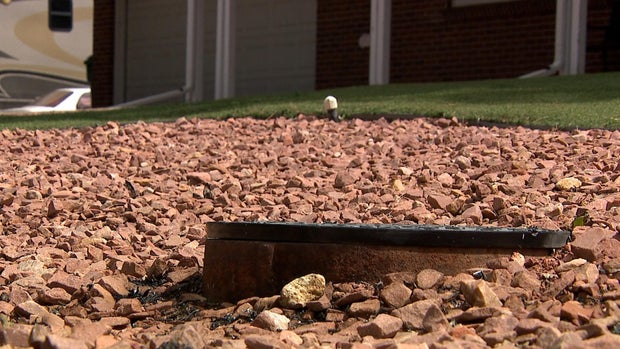
"It contributes to the urban heat islands. We don't want to see a landscape that's devoid of plants and has a heat absorbing rock, or even worse, potentially rubber," Denwood says.
The GRIP program is designed to help offset the cost of replacing turf with drought-tolerant alternatives that are also lower maintenance and better suited for Colorado's climate.
Projects must be approved before installation and rebates are paid after completion.
Switching landscapes still require water upfront.
Denwood says new native or water-wise grass requires an establishment period of about four weeks, when it needs more frequent watering to take root. After that, the difference is significant.
"Just like any kind of turf grass during a normal year, we do a permit. Now this year, because we're in drought Stage 1, you're not allowed to do a Kentucky bluegrass lawn, so we're not issuing permits for that," said Denwood. "But we will still absolutely issue a permit for doing a native or water-wise grass, and we're really happy to see people do that."
City officials say participation is picking up as restrictions take hold.
"We're getting about five new applications a day," Denwood said. "That's a significant increase compared to this time last year."
Still, funding is limited, and not every project gets completed.
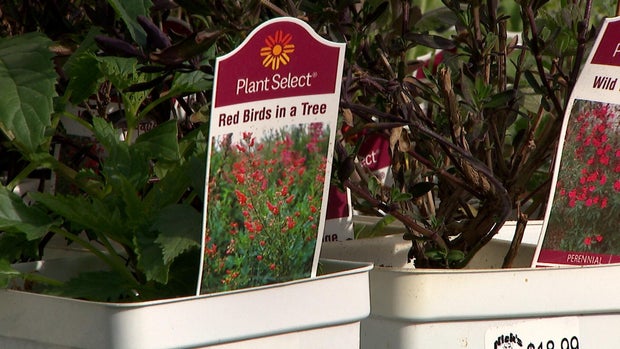
At Nick's Garden Center, the change is already showing up in what customers are buying.
"I was lucky if I could sell a yucca to someone 20 years ago…now I show them a yucca, and they're down," said horticulturist Colette Haskell.
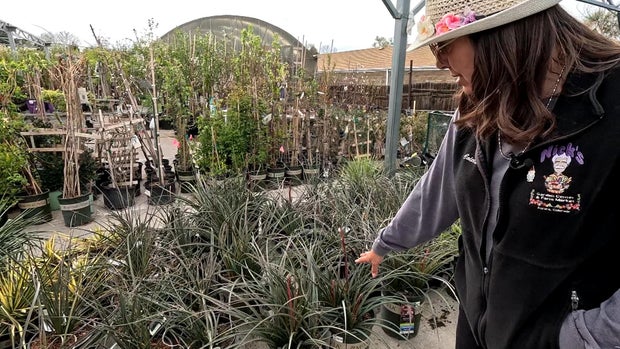
Haskell says more customers are coming in specifically asking for drought-tolerant plants, often with city-provided lists in hand.
"We get customer after customer saying, 'I don't know what this plant is, can you show me?'"
Even as demand for water-wise plants grows, traditional lawns aren't disappearing overnight.
Haskell says some customers are still buying Kentucky bluegrass, despite restrictions and rising temperatures.
The city offers support, including a landscape design program, in-person and online classes, the GRIP Manual and staff ready to answer your questions.
For more information about GRIP visit auroragov.org.