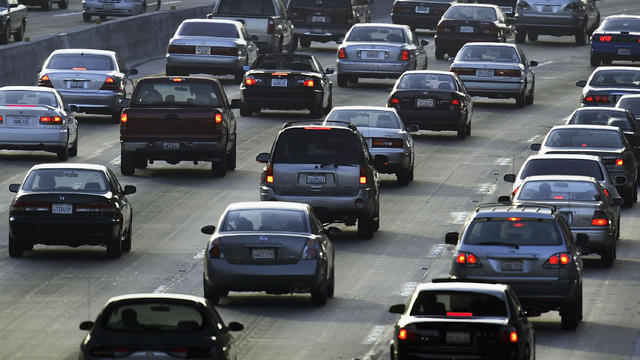
Greenhouse gas emissions in U.S. were lowest since WWII
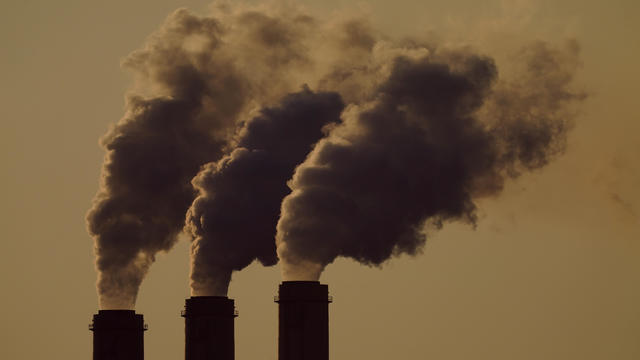
A report by the Rhodium Group says the pandemic resulted in a 10.3% drop in greenhouse gas emissions – but the downward trend might not stick.
Watch CBS News
A report by the Rhodium Group says the pandemic resulted in a 10.3% drop in greenhouse gas emissions – but the downward trend might not stick.
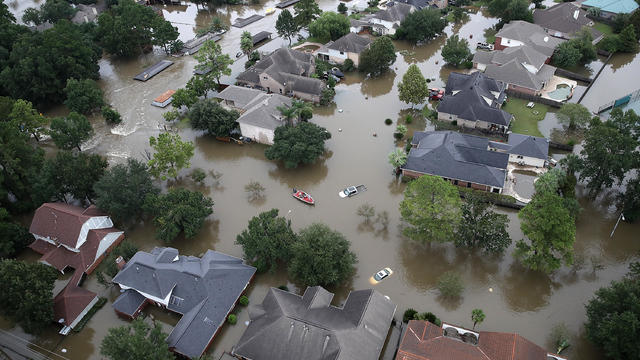
New research analyzes the economic toll of 3 decades of U.S. flood damage and finds more than one-third of it is due to the warming climate.

Some question whether the naturally resource-poor Asian nation will be able to wean itself off imported oil and gas.
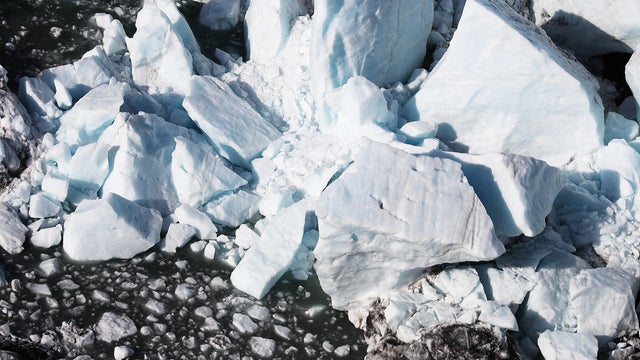
Top scientists believe that the high-end estimates of sea-level rise are likely not high enough.

60 in 6's Enrique Acevedo meets with residents of Louisiana's Gulf Coast who are wondering if their communities can survive as members of a state agency try to reclaim vanishing coastline.

Preventing the worst effects of global warming requires dramatic reductions from the people that pollute the most.
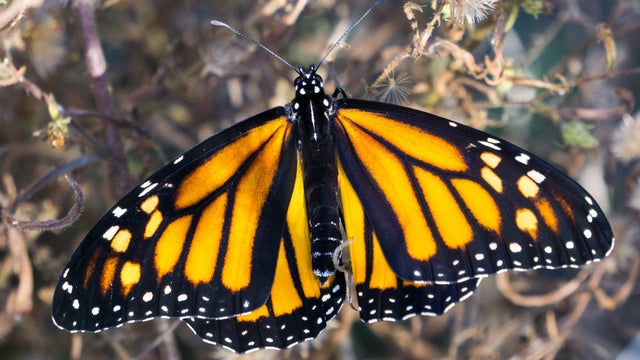
The western population of the species, which spends winters in California, has declined by more than 99%, to a record low of fewer than 2,000 butterflies.
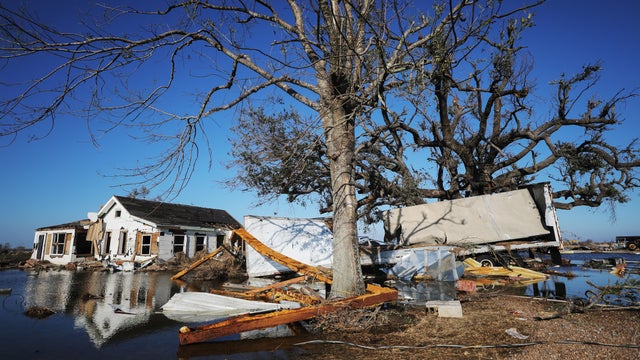
This is the sixth consecutive year in which the U.S. has experienced 10 or more billion-dollar weather and climate-related disasters.
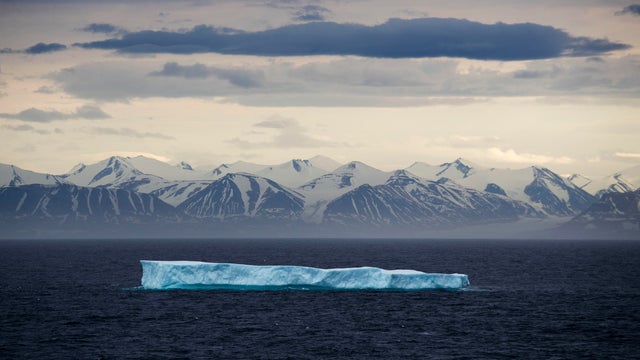
"The Arctic is living proof that major environmental change need not proceed gradually over generations," one expert told CBS News.

Record-breaking wildfires and a relentless hurricane season — on top of an ongoing pandemic — have left more Americans in need of emergency housing than ever before.
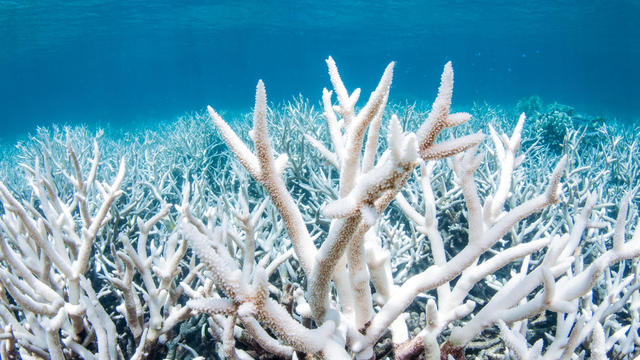
The world's largest coral reef is now in "critical" condition — the most urgent designated status.

Almost 60,000 people in southern California are without electricity and hundreds are fleeing their homes as Santa Anna winds fuel new wildfires.

As climate impacts reach unprecedented levels, several nations' new emission reduction targets offer renewed hope.
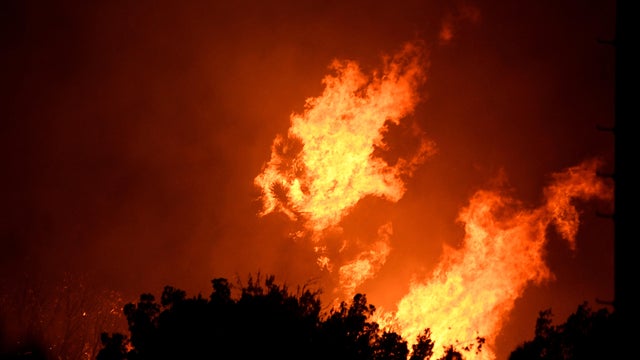
An exponential increase in high-severity fires threatens a forest's ability to return to its normal state.

U.N. Secretary General Antonio Guterres warned that three-fourths of new and emerging human infectious diseases are animal-to-human.

The fire as been raging for more than six weeks and is consuming large swaths of Fraser Island's unique forests.

U.N. weather agency voices hope for lasting change after pandemic, but says reduction in greenhouse gases during lockdowns was just a "tiny blip."
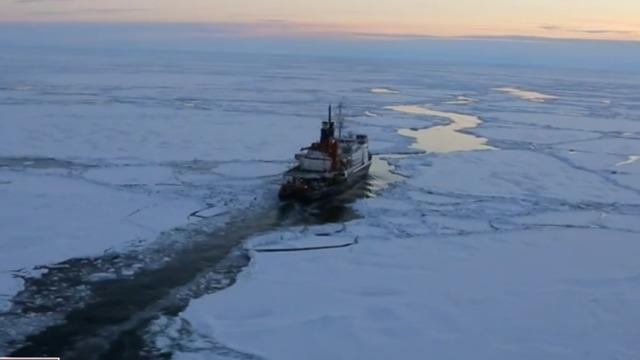
The entire Arctic Circle was an average of 12 degrees Fahrenheit above normal this weekend.

Like so many other aspects of 2020, the Atlantic hurricane season hurled one shocking event after another.

But a climate-driven historic wildfire season held back progress on emissions.

"Trying is not enough anymore. We must take action," warns one scientist who spent more than a year gathering data in the rapidly warming far north.

PM Boris Johnson brings forward deadline on sale of new gas and diesel cars and vans as he promises Britons a future full of green jobs.
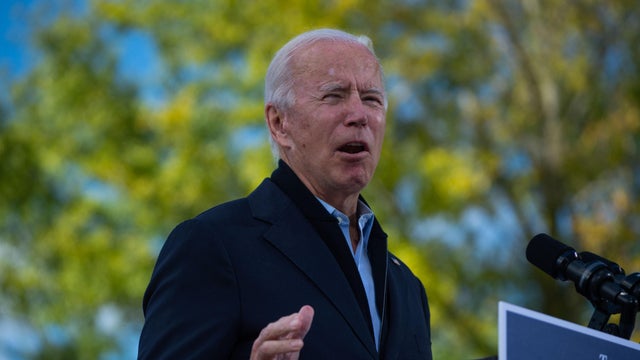
If President-elect Joe Biden has his way, the tide is about to turn on climate policy. But how much could he really do without Senate support?

Prominent environmental nonprofits dominate the first round of "Bezos Earth Fund" grants, which total $791 million.
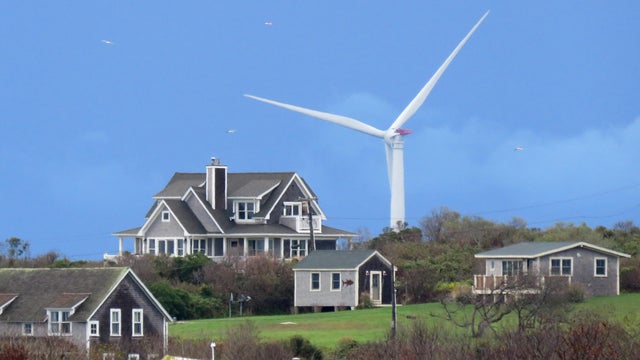
The president-elect has a bold plan for going green — here's what he can do even without support from lawmakers.