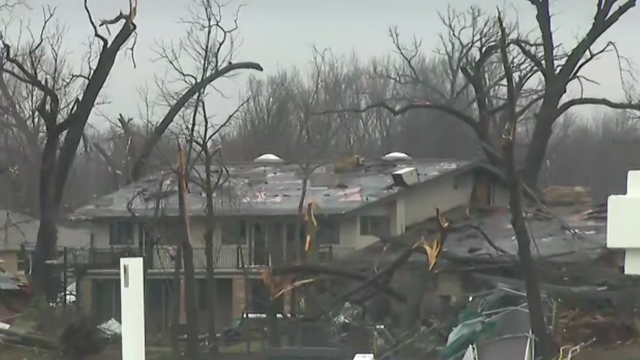
NOAA, University of Oklahoma researchers want your tornado stories
Researchers at the University of Oklahoma and National Oceanic and Atmospheric Administration are gathering information from people impacted by tornadoes, including here in Illinois.
Watch CBS News
Researchers at the University of Oklahoma and National Oceanic and Atmospheric Administration are gathering information from people impacted by tornadoes, including here in Illinois.
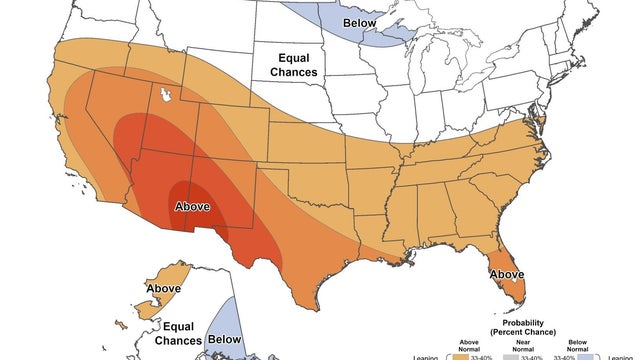
As La Niña continues to fade and we transition toward a more neutral pattern, the atmosphere should become a bit less locked into extremes and a little more typical of a Midwestern spring, which can still bring plenty of ups and downs.
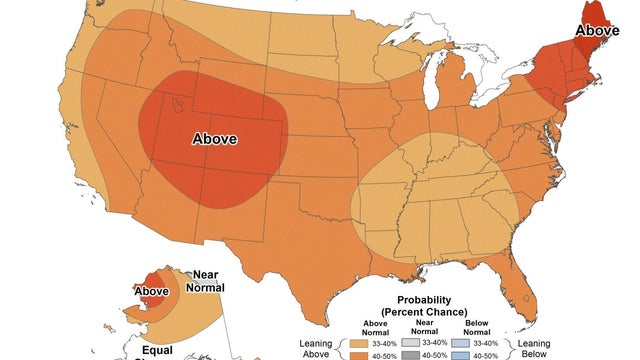
This winter outlook is influenced by the potential development of a La Niña pattern, which occurs when cooler-than-average sea surface temperatures are observed in the eastern Pacific Ocean near the equator.

The aging radar in use now to detect dangerous weather takes several minutes to analyze storms. A new system being tested can do it much faster. Dave Malkoff got a tour.

Dozens of similar rallies were held across the country on Friday, including one in Washington, D.C., which drew more than 1,000 people.
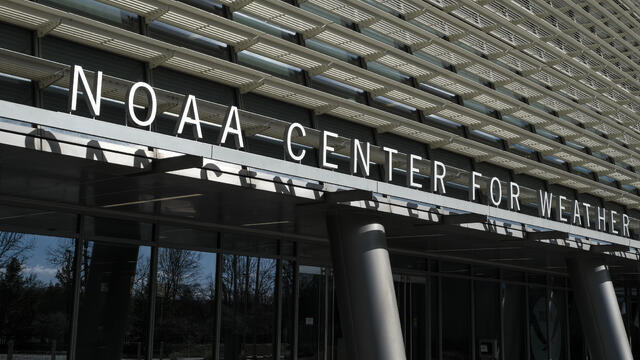
Some 880 employees of the National Oceanic and Atmospheric Administration were laid off on Thursday, a congressional source told CBS News.
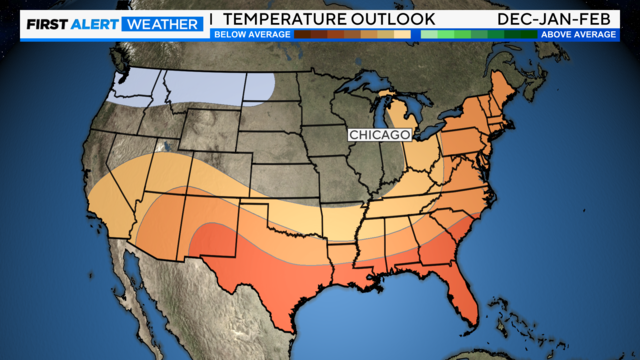
Temps have cooled rapidly in that region of the ocean, signaling that a La Niña may be imminent.

From 1999-2023, the Journal of American Medical Association recorded 21,518 deaths where heat was either the underlying cause or the contributing cause of death, likely an underestimation, they say.

Scientists who monitor the Great Lakes say Lake Michigan is warming by about one degree Fahrenheit every 20 years.
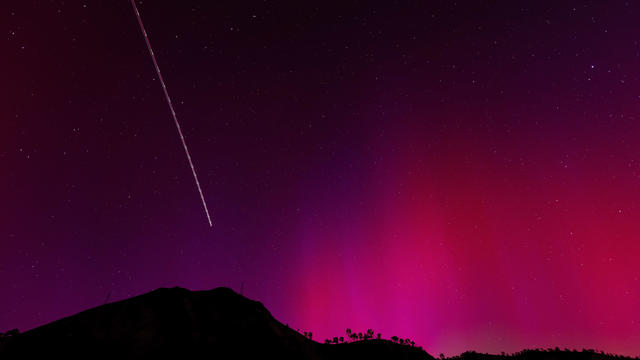
The forecasted conditions come after a weekend of jaw-dropping northern lights seen as far south as Florida and as "magnetically complex" sunspots bigger than Earth continue to emit solar flares.
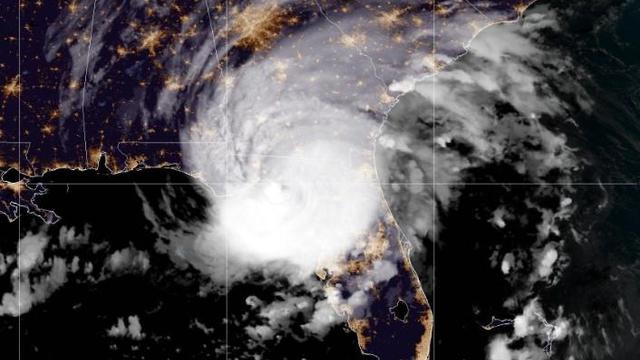
Idalia made landfall as a Category 3 hurricane over the Big Bend region of Florida, before continuing along its path toward Georgia and the Carolinas.
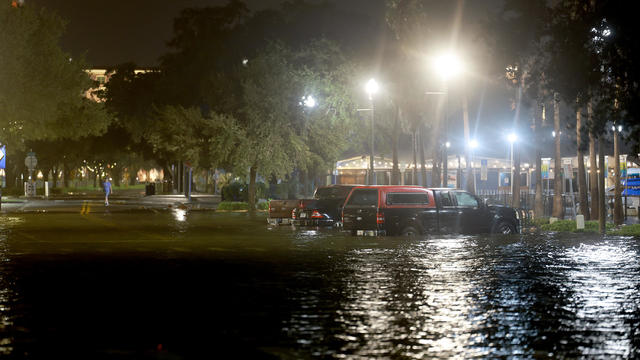
The National Hurricane Center said Idalia was weakening but water levels could reach as high as 16 feet in some areas.