Chicago Muslims say unchecked Islamophobia creates conditions for attacks like San Diego shooting

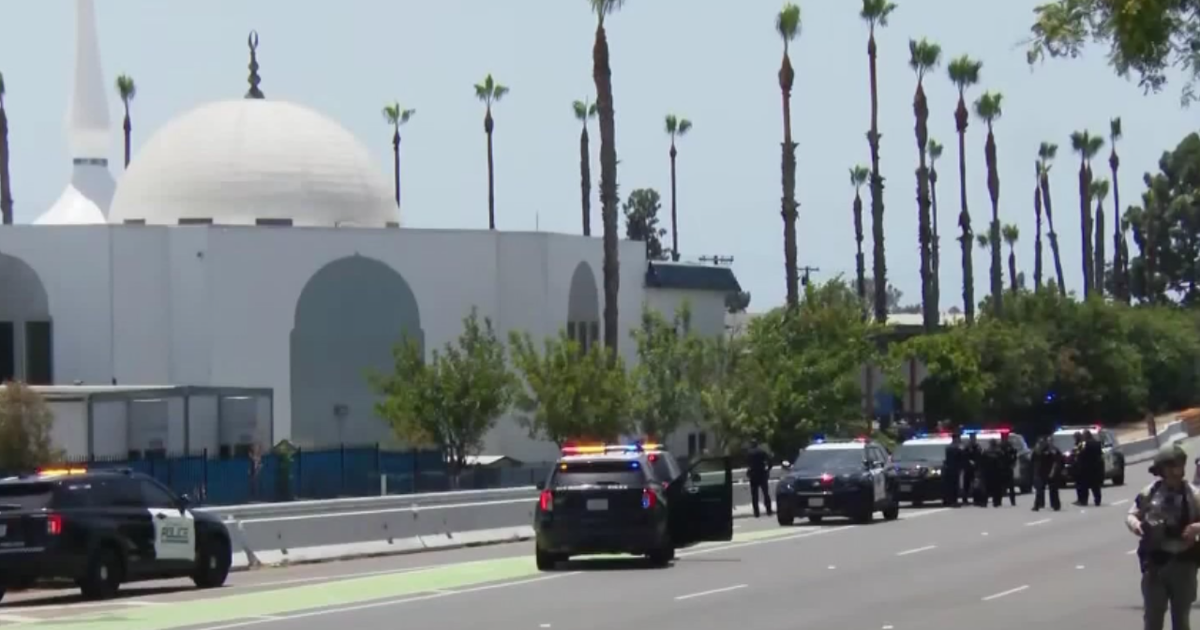
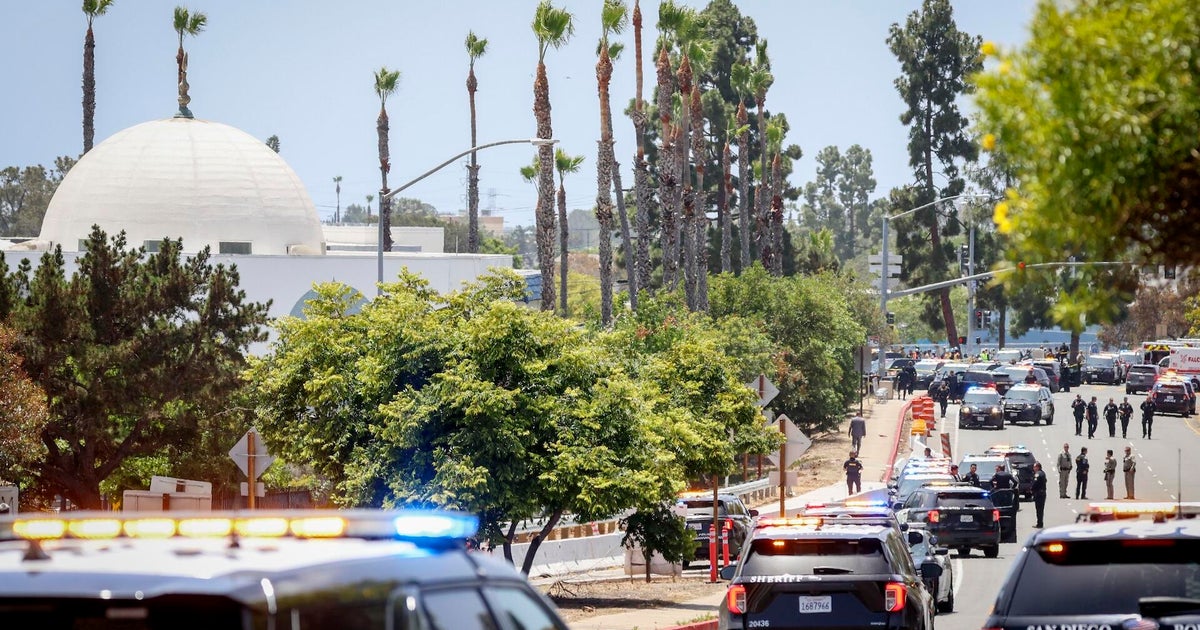
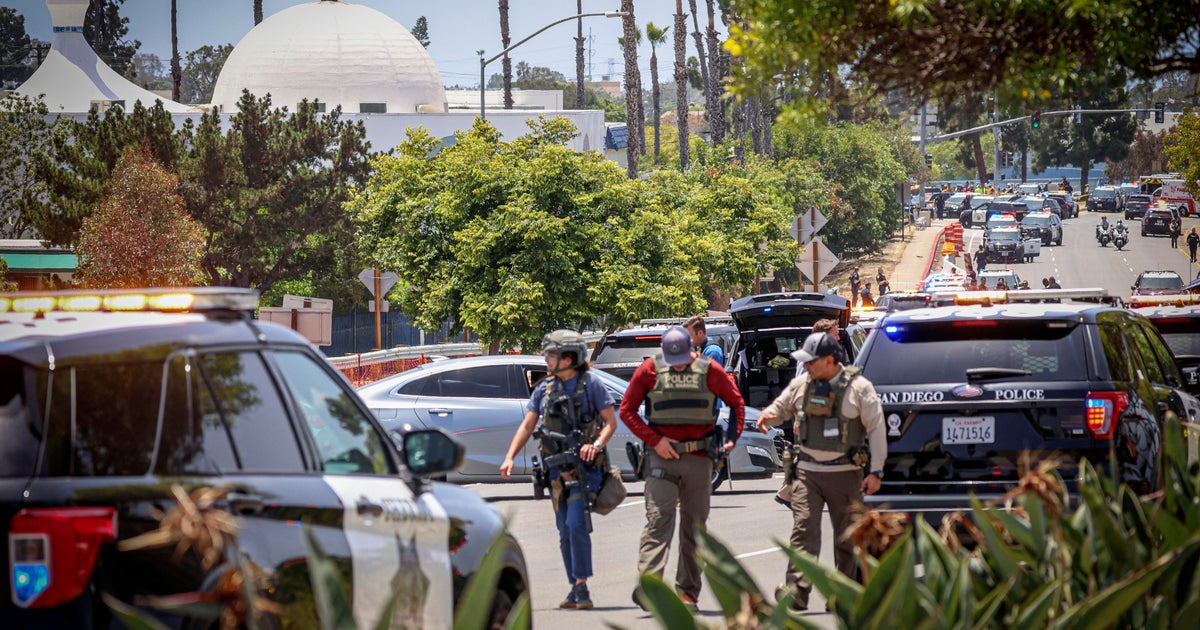
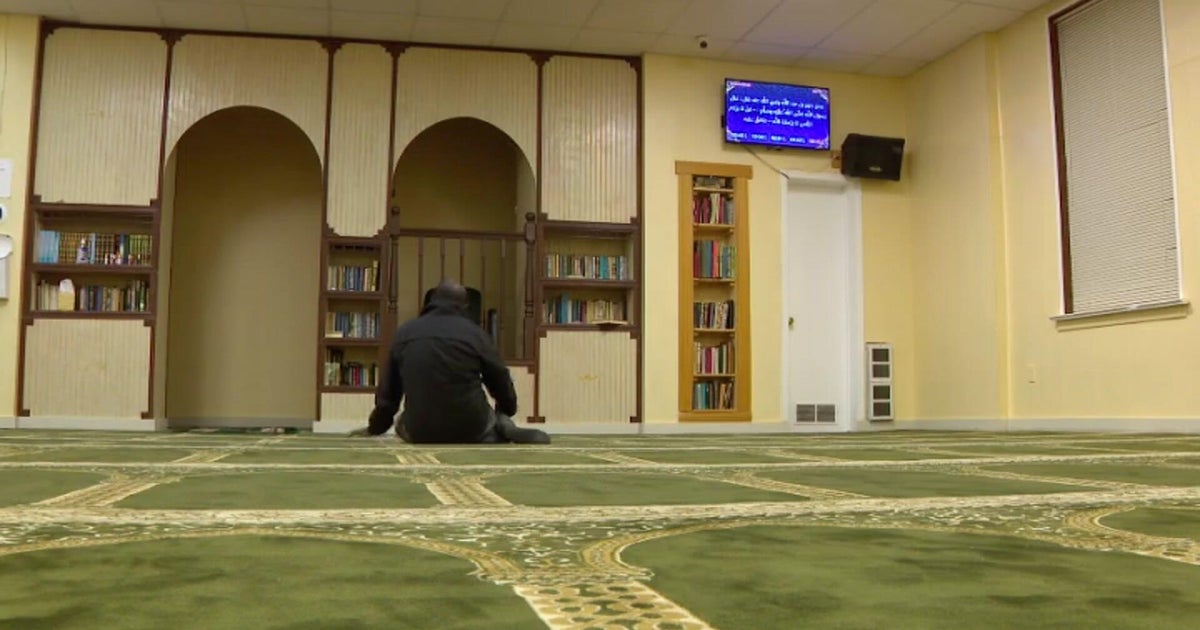
In the wake of the shooting at the Islamic Center of San Diego, many Muslim Chicagoans say they're not surprised and that conditions in the world right now are right for attacks like this to happen again.
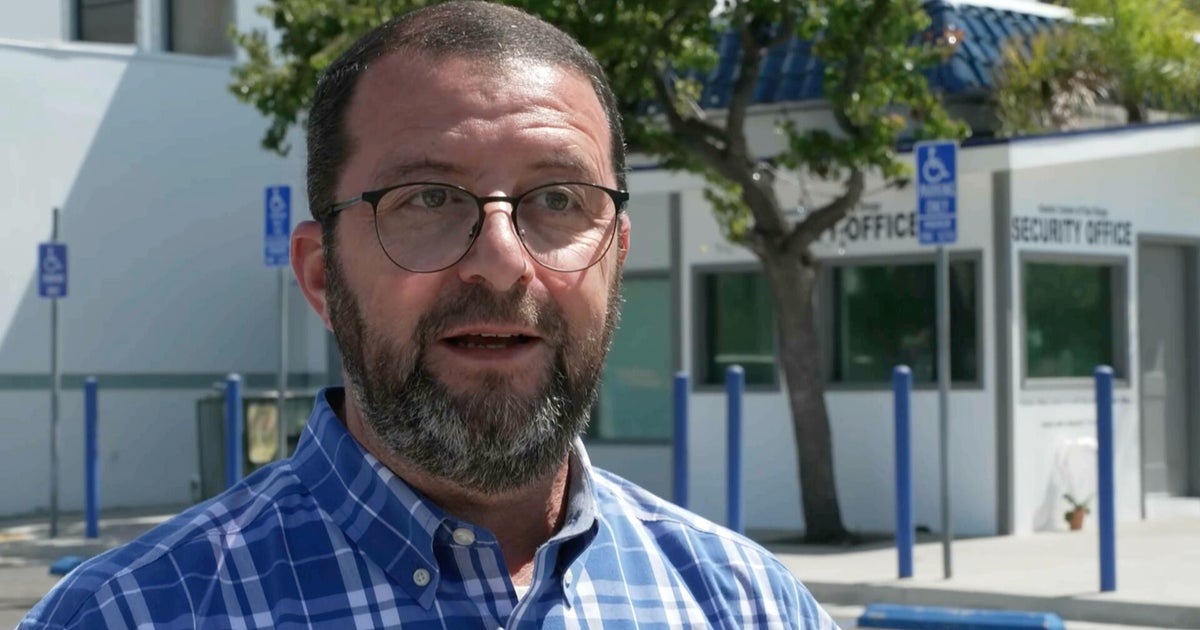
"As a Muslim, an attack on one of us is an attack on all of us," said William Asfour, a Palestinian American who lives in Chicago.
The community said no type of hate is acceptable, and normalizing a crime like the shooting that killed three men in Southern California is essentially a guarantee that a similar crime will happen again.
Asfour said many Muslims he knows are looking over their shoulders the day after.
"My other friends, if they wear a thobe, if you're dressed differently, if you speak with an accent, if you speak differently, you are made to feel like you're not welcome here," he said.
"I think we came here for a better life," Asfour added. "We want to work, we want to contribute to society, we want to be able to provide for our families and provide for our loved ones overseas who were unable to make it here. We want to live in peace. We didn't escape genocide, apartheid overseas to face hate here."
Dr. Nadine Naber, professor of gender and women's studies at University of Illinois Chicago, said the violence is made possible by larger systems, and referenced the wars in Gaza and Iran.
"We really need to be asking about the larger systems that make that violence possible. That make it feel accessible and normal," she said. "Every time the U.S. escalates a war in a Muslim-majority country you have this spike in anti-Arab, anti-Muslim racism in every day life."
And a culture of fear and lack of reporting when hate crimes against Muslims happen make it seem like they happen less than they do.
"When we respond to hate crimes, we treat them as these isolated incidents that are just horrific, and we focus on those, you know, sensationalized. They become sensationalized in the media," Naber said. "But what we miss are the broad, everyday experiences that people from Muslim-majority countries, and other people who are perceived to be Muslim, are living with every single day."
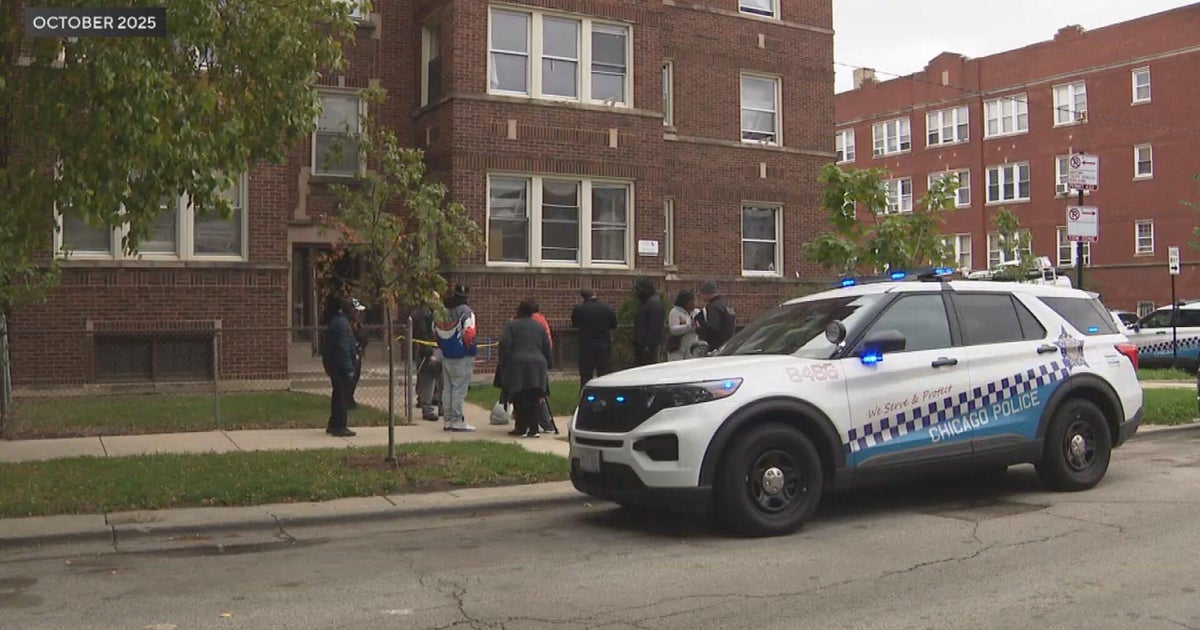
Experts say the number of anti-Muslim hate crimes are not accurately tracked, and are underreported. In Chicago 2025, Chicago police only reported one singular anti-Muslim hate crime.
"There's a clear double standard when a Muslim community is targeted compared to other faiths and other backgrounds, and we are tired of seeing our suffering being sidelines and not taken seriously because this fuels the dehumanization we experience," Asfour said. "I've experienced comments at work, you know, at previous jobs about being Muslim, people making very ignorant statements, very racist statement, you know, calling me a terrorist or saying 'Don't come here with a gun.' We want to hold these people accountable but we also want to educate them."
Neither Asfour nor Naber believe CPD's data on anti-Muslim crime in the last five years is accurate. The department said they reported four crimes in 2022, 16 in 2023, six in 2024, one in 2025 and one so far this year in 2026.
"I have to laugh," Naber said. "I'm happy you mentioned that because it's the perfect example of the erasure of violence and hate against Arab- and Muslim-Americans."
CBS News Chicago reached out to Chicago police to see if they had any data that was more updated than the numbers in their public portal, only to be referred back to the portal.
While the numbers remain a question, the fear is indisputable.