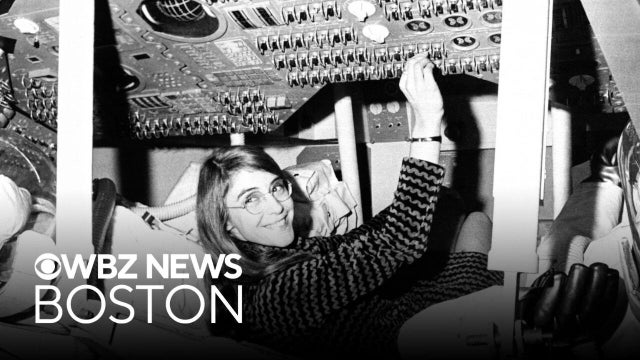
Margaret Hamilton, computer scientist who helped save Apollo moon mission, dies at 90
Pioneering Apollo program computer scientist Margaret Hamilton has died at 90 years old.
Watch CBS News
Pioneering Apollo program computer scientist Margaret Hamilton has died at 90 years old.
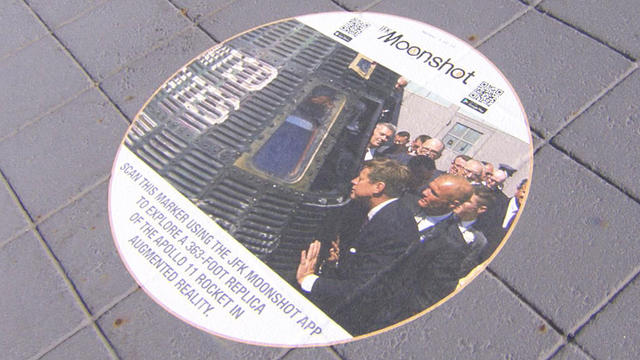
Using the app JFK Moonshot, you track the 120-hour journey the Apollo 11 made to the moon in real-time.
Apollo 11's 1969 moon landing is mankind's greatest achievement. Celebrate the giant leap 50 years later as we recount the events, people and ingenuity that inspired generations.
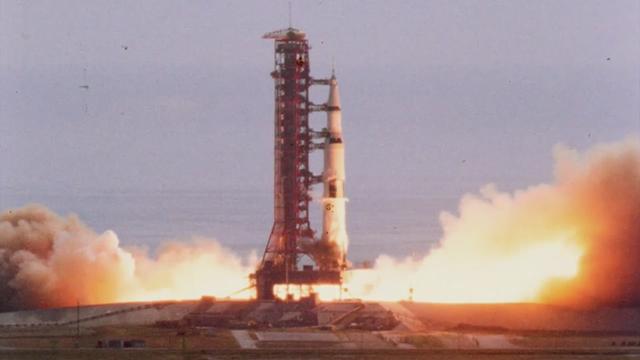
A daring challenge from the president ignited American momentum in the space race, and led to the most famous footsteps in history.
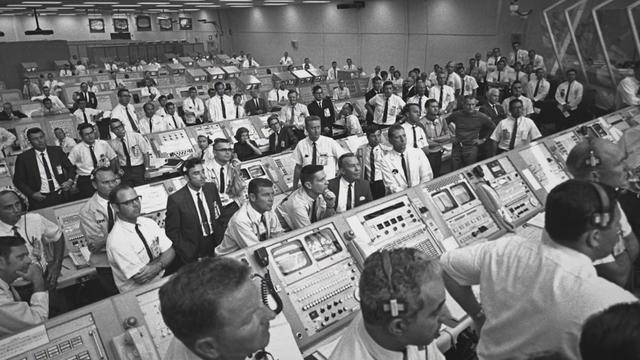
NASA estimates 400,000 people contributed to putting man on the moon.
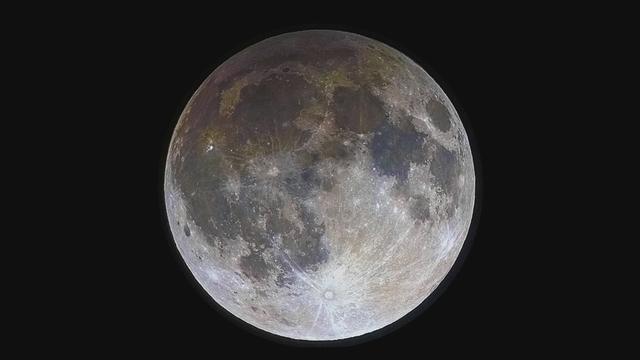
Apollo 11 has left an indelible mark on the generations that have followed. Wherever mankind explores next, it will all be possible thanks to the Apollo project.

The Apollo program, which first took man to the moon, took a tremendous amount of resources. Now, public-private partnerships are helping move closer to the next moon landing.
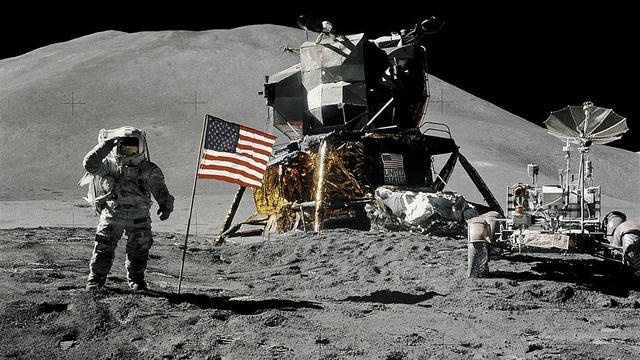
NASA's Apollo space program was dedicated to putting American astronauts on the moon.
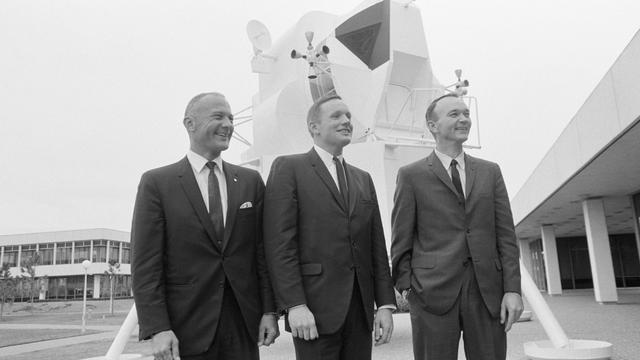
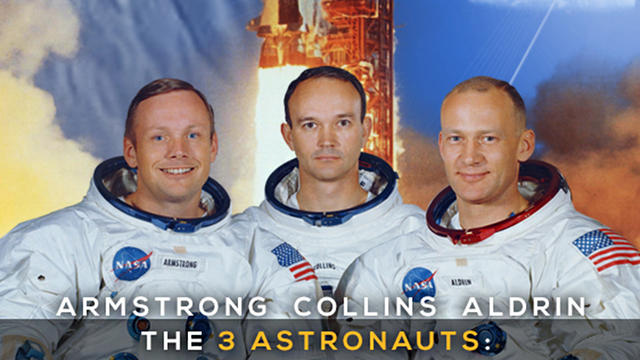
Neil Armstrong, Michael Collins and Buzz Aldrin launched from Kennedy Space Center on July 16, 1969 with a mission to land on the moon.
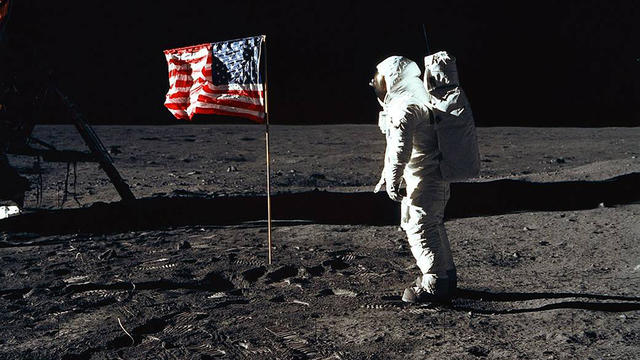
On July 20, 1969, Commander Neil Armstrong announced to NASA mission control, "the Eagle has landed."

Fortunately, for Apollo 11 and all of mankind, a young, brilliant MIT software engineer saw a potentially mission-crippling error coming from nearly a million miles away.

For years, NASA has been creating technology for space that ends up enhancing our everyday lives.
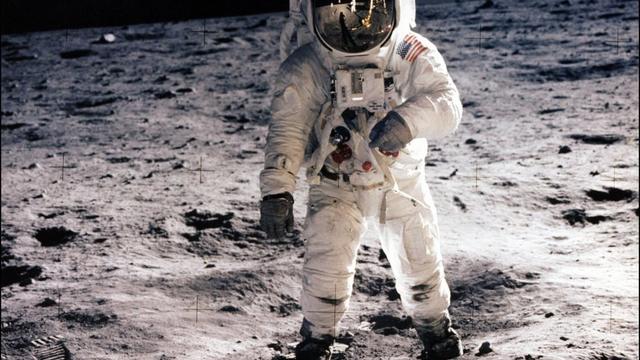
During the Cold War, one battlefront between the USA and USSR was in the sky, as the nations fought to be first to space.
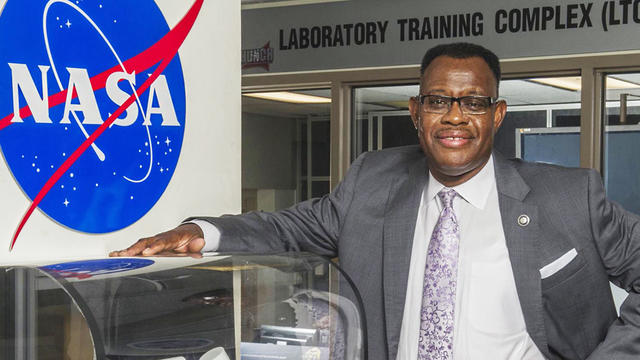
Growing up in rural Georgia, Lewis Wooten felt light years away from the long, illustrious career he has built at NASA.
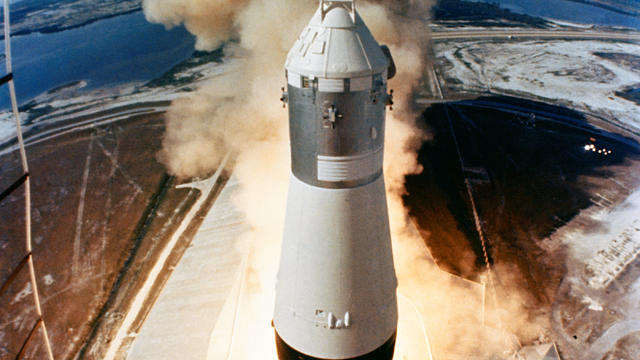
The Apollo 11 crew consisted of Neil Armstrong, Buzz Aldrin and Michael Collins, but there was a crucial "fourth crew member" on board: the Apollo Guidance Computer.