What is the significance of the Strait of Hormuz? A Massachusetts professor weighs in.

Tucked between Iran, Oman, and the United Arab Emirates is a vital waterway which has become the focal point of the war with Iran.
In normal times, the Strait of Hormuz is a 21-mile wide stretch through which hundreds of tankers carry 20% of the world's oil.
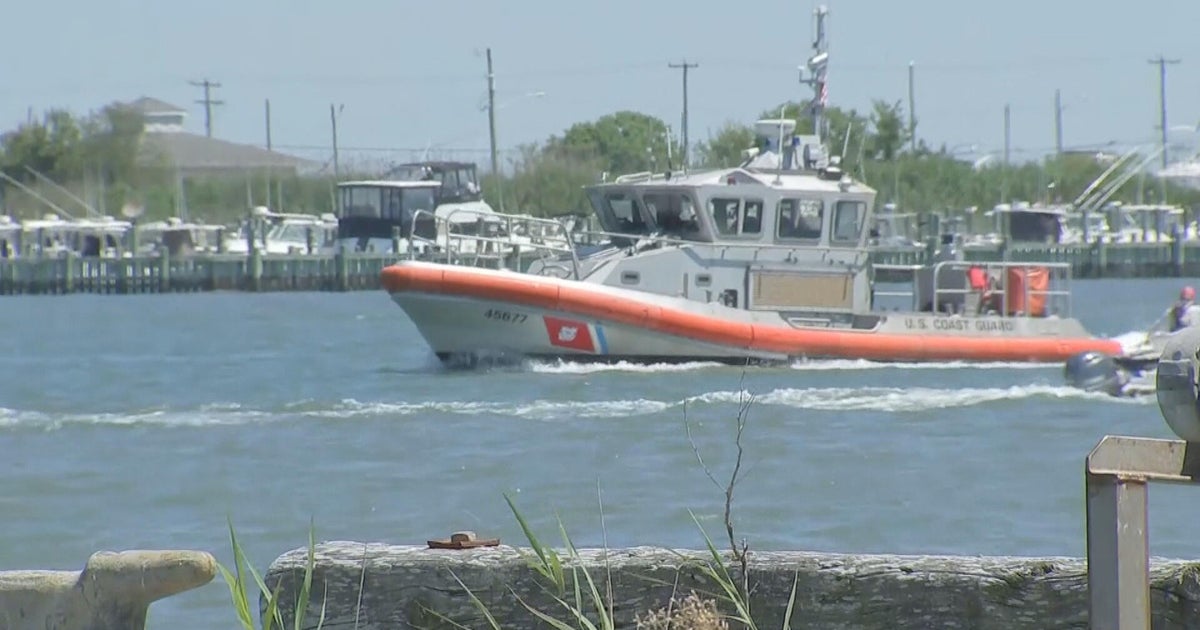
With the outbreak of war, nearly all traffic through the Strait has ground to a halt as Iran threatens the area with drones and mines. In response, the U.S. is performing a risky naval blockade of Iranian ports, preventing Iran and its allies from getting its own oil out of port.
"We're in uncharted waters," said professor Rockford Weitz, the director of maritime studies for Tufts University's Fletcher School.
Weitz is keeping a close eye on the impact of the closure of the Strait, limiting access to oil, liquified natural gas, diesel fuel, and fertilizer to Asia and Europe.
"A supply disruption anywhere causes prices to rise everywhere, including here," Weitz said.
In the short term, the Strait closure is driving some tankers to get oil from the U.S. gulf oil suppliers, a long journey for tankers that travel roughly 15 miles per hour.
Weitz is hopeful that the U.S. blockade will quickly drive Iran back to the negotiating table, since the nation does not have the ability to store oil for more than a few weeks.
"I think we might have a deal between the Iranian regime and the Trump administration in the next two to three weeks in part because, once they close down those fields, everybody loses," Weitz said.