MassDOT to provide update on new wrong-way driver technology. Lawmaker says "multi-sensory approach" is key.

Devastating and often fatal wrong-way crashes have MassDOT and lawmakers like State Senator Bruce Tarr working feverishly to prevent them.
Massachusetts just completed its pilot program installing wrong-way driver detection devices in 16 locations throughout the state that immediately alerts state police of a wrong way driver.
"All of their losses are tragedies and the news here is that there is something we can do about it," Tarr said. "This happens far too frequently and it's far too preventable for us to do nothing."
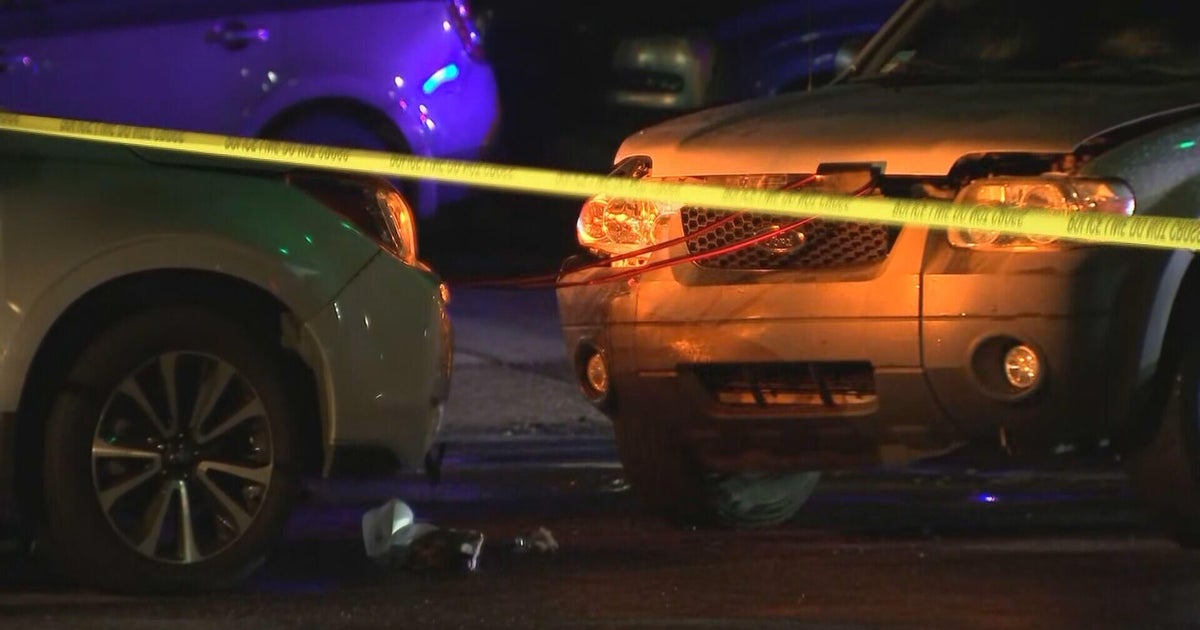
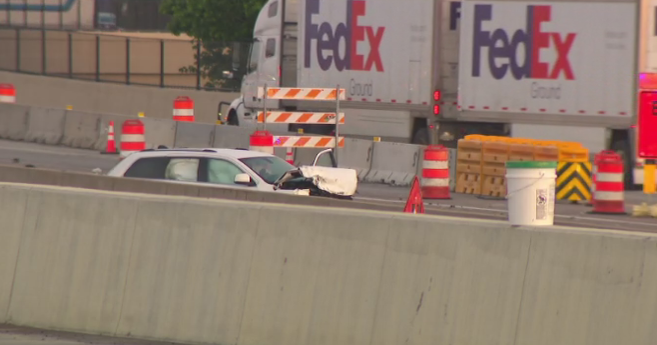
Last month Massachusetts State Police Trooper Kevin Trainor was killed along with the driver who hit him on Route 1 North in Lynnfield. Nearly a week later a driver hit a state trooper's cruiser in Peabody along the same stretch of highway. Both the driver and trooper were injured but survived the crash. Both crashes were the result of wrong-way drivers.
Later this week MassDOT will provide an update on newer technologies they plan to deploy right away to keep drivers and law enforcement safer. "One of the key things here is to have a multi-sensory approach. So sound and a visible warning with flashing LEDs around the perimeter of the wrong-way sign and more likely to get someone's attention," Sen. Tarr said.
Last month, lawmakers voted to add more money to the budget to increase education about wrong-way driving. They are also looking to Connecticut which launched its wrong way driving program in 2023.
"I would like to see a full court press. There are many different tools that we can use. Some of them are as simple as painting directional arrows on the pavement of access ramps, others are more sophisticated like plastic lane delineators, and high-tech solutions like detections system that notify drivers with sound and lights," Tarr said.
Tarr said there are as many as 2,600 locations throughout the state where wrong-way driving detection devices are needed. "The goal is to begin with roughly the first 600, that comes with a tremendous cost. The newest technology is at a lower cost which makes a rapid deployment more feasible," Tarr said.
MassDOT said the goal is simple, making it easier for drivers to stay on the correct path and prevent these dangerous incidents before they happen. "We need to move forward as quickly as possible to do everything we can. This is an exercise that will save lives," Tarr said.