A drought in Massachusetts? Here's how it happened, despite a winter full of snow.
After all the snow that fell in Massachusetts this winter, how could the state possibly still be in a drought?
Several towns are already instituting water restrictions leaving many residents scratching their heads.
The latest drought monitor shows that more than 50% of Massachusetts is currently in a "moderate" drought and more than 90% of the state has some drought classification.
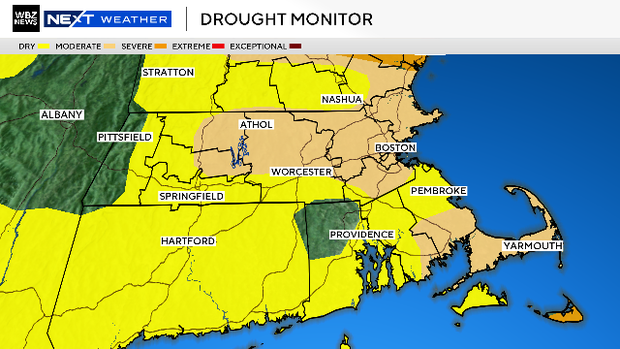
New Hampshire and Maine are even worse off, with about half of those states currently in "severe" drought.
So, how is that possible?
First, let's address the snowiest winter in 11 years. Take a look at the snowfall amounts from the winter months. Boston totaled nearly 60 inches of snow, most of which stayed locked up in giant piles in our backyards until recently.
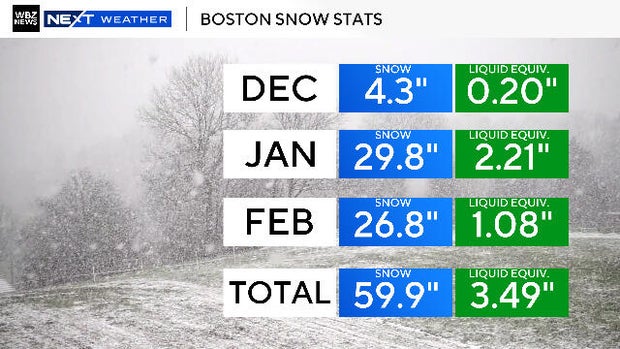
Here's the problem. That five feet of snow only melted down to about 3.5 inches of water. That's about a third of what we need for an average winter.
This was a factor of how cold it was this winter and during the snowstorms. A typical snow-to-liquid ratio is 10:1, meaning every 10 inches of snow should contain about one inch of water. The overall ratio this winter was closer to 17:1, meaning much less actual water within the snowpack.
It also barely rained. This week's rain was the first significant rainfall since mid-October.
So, despite two big snowstorms, Boston currently sits more than 3 inches below the average precipitation in 2026.
That alone would not really be a big deal and certainly wouldn't lead to moderate or severe drought status.
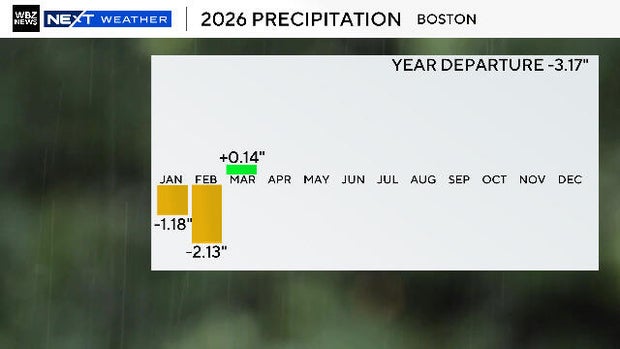
However, if you combine this winter's numbers to those from 2025, you can start to see a pattern.
Twelve of the last 15 months have had below average precipitation in Boston, totaling up to about a water deficit of about 10 inches.
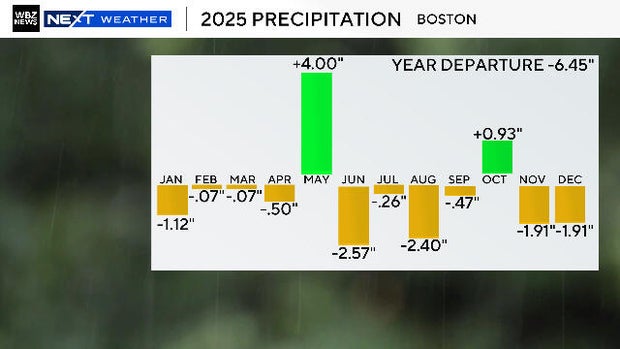
Those numbers are even worse in parts of central and northern New England.
Experts are terming this more of a long-term drought given the longevity but still, a wet spring could change things in a hurry.
The weather over the next several months will be vital in determining how strict the water restrictions and bans will be come summertime. Most of us aren't rooting for a bunch of rain in April and May, but it would sure would go a long way into replenishing our local lakes and rivers.
The latest outlook from the National Oceanic and Atmospheric Administration (NOAA) for April shows equal chances of above or below average rainfall in the Northeast.
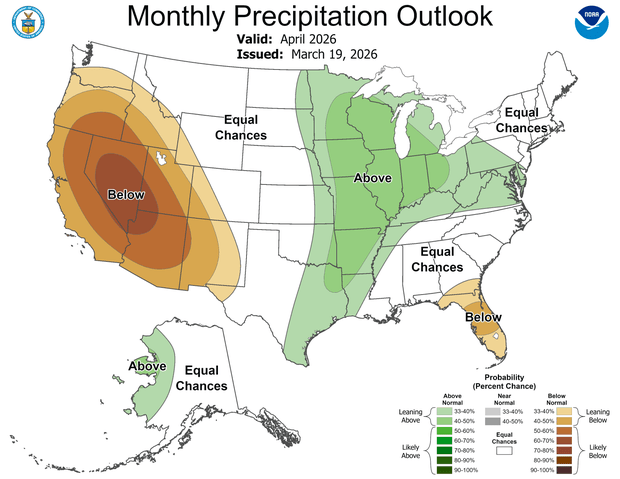
The same goes for the three-month outlook.
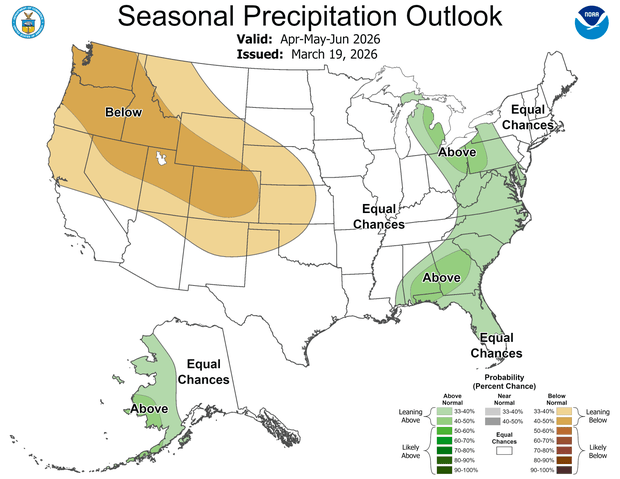
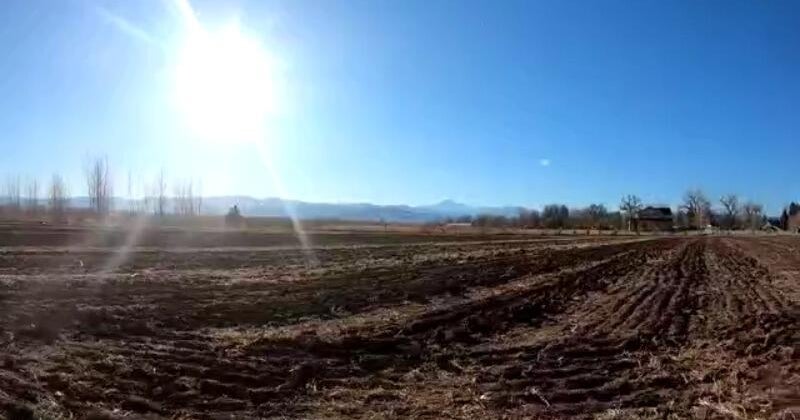
Whatever happens in Massachusetts will pale in comparison to the situation out west. After a record breaking mild winter with very little mountain snowfall, much of the western portion of the country is preparing for a major water crisis this spring and summer. This may also lead to a very active brush fire season west of the Rockies this year.