Season's first human case of West Nile Virus in Massachusetts is diagnosed
A woman in her 70s is the first person to be diagnosed with West Nile Virus in Massachusetts this year, the Massachusetts Department of Public Health announced on Tuesday.
Authorities said the woman was exposed to the disease in Middlesex County.
What is West Nile Virus?
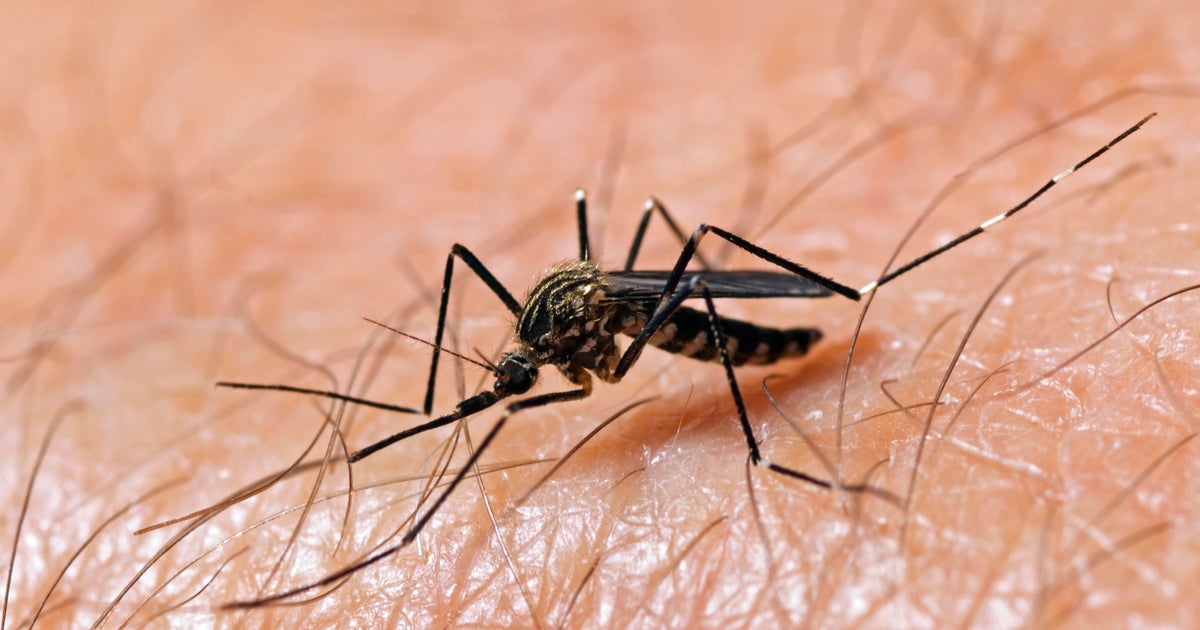
According to the Centers for Disease Control, West Nile Virus is a mosquito-borne disease. Symptoms include fever, headache, body aches, vomiting, diarrhea, or rash. Severe illness can affect the central nervous system or result in hospitalization or death.
"West Nile virus can be a very serious disease, and its presence in mosquitoes remains high right now in Massachusetts," said Public Health Commissioner Dr. Robbie Goldstein. "While September brings cooler air and the return to school for many in the state, the risk from WNV is going to be elevated for some time. Residents should continue to take precautions to avoid mosquito bites."
Health officials announced that mosquitoes testing positive for West Nile Virus had been detected in June. Since then, public health officials have had 319 West Nile Virus-positive mosquito samples, detected in Barnstable, Berkshire, Bristol, Dukes, Essex, Franklin, Hampden, Middlesex, Norfolk, Plymouth, Suffolk, and Worcester counties.
One goat was found with West Nile Virus.
Can you protect yourself from West Nile Virus?
Ten communities in Suffolk and Middlesex counties are at high risk for West Nile Virus. About 193 communities in Barnstable, Berkshire, Bristol, Essex, Franklin, Hampden, Hampshire, Middlesex, Norfolk, Plymouth, Suffolk, and Worcester counties are at moderate risk.
"The mosquitoes will be with us until the first hard frost," said State Epidemiologist Dr. Catherine M. Brown. "People should use mosquito repellent with an EPA-registered active ingredient, clothing to reduce exposed skin, and consider rescheduling outdoor activities that occur during the evening or early morning."
To protect yourself from West Nile Virus:
- Use insect repellent with an EPA-registered ingredient like DEET.
- Avoid outdoor activities from dusk to dawn, peak biting times for mosquitoes.
- Wear long-sleeved shirts, pants and socks when outdoors to protect yourself from mosquito bites.
- Drain standing water around your home.
- Make sure window screens are in good repair.
- Protect animals by keeping them sheltered.