Alleged Legionella outbreak at Baltimore ICE facility prompts concerns from Maryland leaders

An alleged outbreak of Legionella bacteria at an Immigration and Customs Enforcement (ICE) facility in Baltimore is prompting concerns from Maryland lawmakers.
According to a letter sent to the U.S. General Services Administration (GSA), the outbreak was reported at the George H. Fallon Federal Building in downtown Baltimore.
The letter was written by Senators Chris Van Hollen and Angela Alsobrooks, along with Reps. Kweisi Mfume, Steny Hoyer, Jamie Raskin, Glenn Ivey, Sarah Elfreth, April McLain Delaney and Johnny Olszewski.
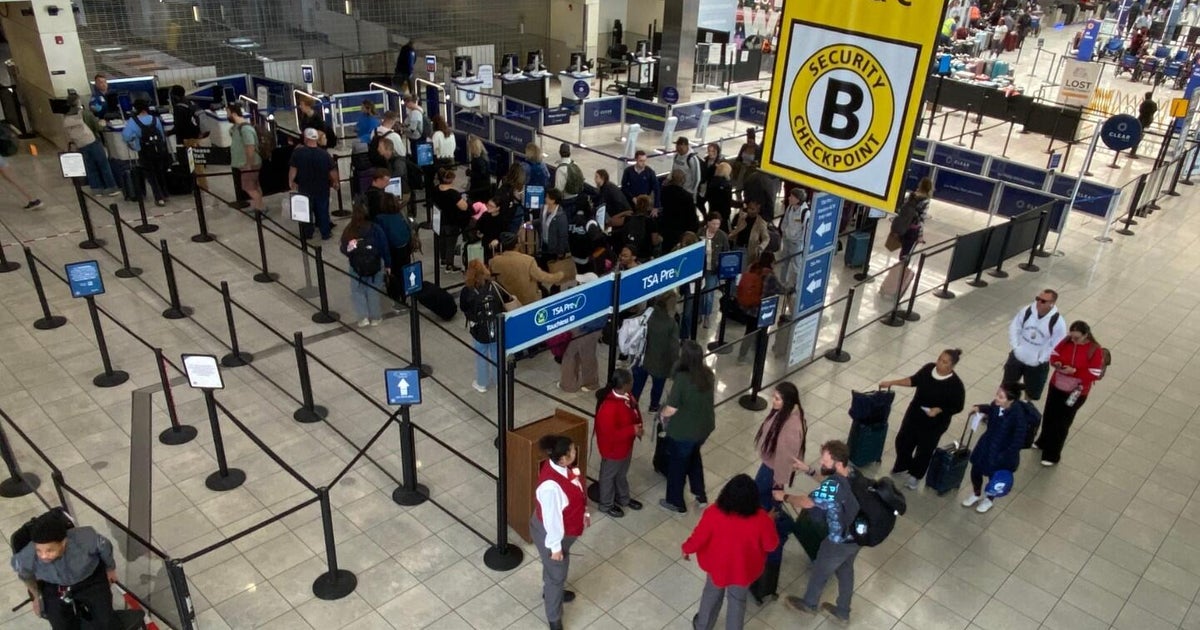
The facility, which houses an ICE regional office and holding rooms, has faced several criticisms from state leaders about overcrowding and "inhumane" conditions.
"This facility has repeatedly held people in unsafe, overcrowded conditions and for detention periods that far exceed those that temporary holding rooms are equipped to accommodate," the lawmakers said in the letter.
The letter urges the GSA to take immediate action to address the alleged outbreak and questions what actions have been taken to mitigate exposure to occupants in the building.
On Friday, a spokesperson for ICE said detainees at the facility are given bottled water at all times.
"ICE remains committed to always upholding the safety and well-being of all detainees in custody," the spokesperson said.
GSA officials said they are using a proactive approach to asses and treat the water system.
"The Fallon Building based on its size and configuration has implemented an ASHRAE (American Society of Heating Refrigerant and Air Conditioning Engineers) Drinking Water Management Plan," the agency said in a statement. "This plan includes documented flushing, temperature and residual disinfectant checks, and periodic retesting for Legionella. GSA is communicating regularly with our tenant agencies and ensuring that our facilities are safe for employees and the public."
What is Legionella?
Legionella is a bacterium that can lead to Legionnaires' disease or Pontiac fever, according to the Centers for Disease Control and Prevention (CDC). Legionella can be carried in water vapor or mist and can cause illness if inhaled.
Legionella can spread through sink faucets, fountains, water heaters and plumbing systems. Legionnaires' disease and Pontiac fever rarely spread from person to person and are treatable with antibiotics, the CDC says. Symptoms can include cough, fever, shortness of breath, headaches and nausea.
"It's associated with ventilation systems and waters and most commonly air conditioning, and sometimes, if they are not maintained properly, they can be a source of this bacteria that occurs naturally," said Dr. Kjell Wiberg, an expert in infectious diseases at Lifebridge Health.
In the past year, Legionella has been detected in the water of several government buildings in the city, including the Baltimore Department of Social Services in May 2025, the City Hall building in January 2025, and in three city courthouses on two separate occasions.
The buildings were reopened after mitigation efforts, including flushing and chlorination, and testing was carried out, according to city leaders.
Alleged Legionella outbreak
According to the letter from state lawmakers, the GSA conducted a test in November 2025 that confirmed the presence of Legionella bacteria at the ICE facility.
The GSA implemented hyperchlorination to treat the issue. However, according to the letter, the bacteria are still present in the building's water system. WJZ has not confirmed this with the GSA.
"The tenants of the Fallon Building have received varying levels of communication regarding the status of the outbreak, and some may remain entirely unaware," the letter said. "The presence of these bacteria, and the lack of clear direction from GSA, poses a serious health and safety threat for all users of the Fallon Building."
The letter included a list of questions for the GSA, which the lawmakers requested be answered by March 20. The questions include:
- When did the GSA first discover the Legionella bacteria?
- When did hyperchlorination treatment begin?
- How frequently is the GSA required to test for Legionella?
- Did the GSA, or the responsible party, notify tenants and communicate with the water supplier?
- Have tenants been provided with regular updates?
"We must ensure that our federal employees, along with other tenants of and visitors to the building, are being afforded clear communication and a safe working environment," the lawmakers wrote. "We look forward to your response and ensuring the health and well-being of all current tenants of the Fallon Building."