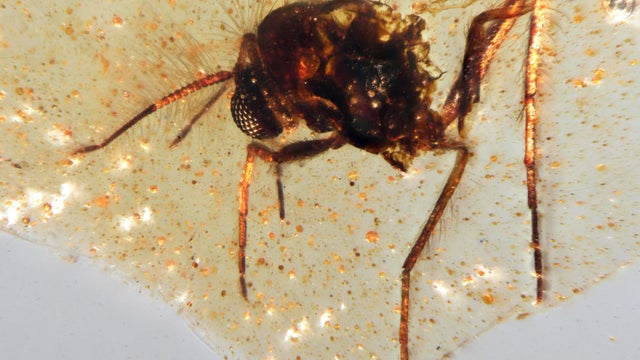
Prehistoric insects trapped in amber give glimpse into ancient life
Scientists have discovered prehistoric insects preserved in amber in South America for the first time.
Watch CBS News
Scientists have discovered prehistoric insects preserved in amber in South America for the first time.

Just one fly can lay up to 300 eggs at a time and is drawn "to the odor of a wound or natural opening on a live, warm-blooded animal."
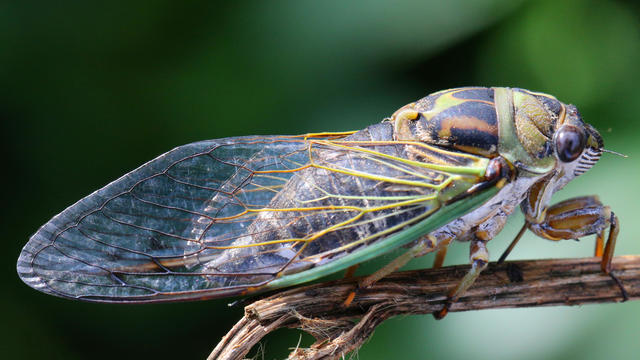
Trillions of red-eyed periodical cicadas are about to emerge in numbers not seen in many years. Here's where to expect them.

The invasive species have the ability to "attack or defoliate hundreds of tree and plant species," the USDA warns.
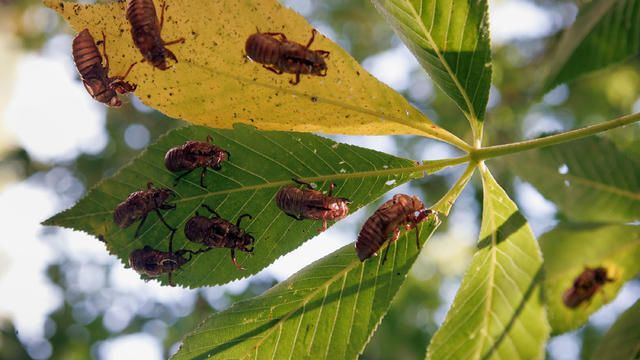
This will be the first time since the Louisiana Purchase in 1803 that these broods of noisy, flying insects will emerge from underground.

Hammerhead worms are believed to have been introduced in the U.S. in 1891 through infested plants and soil.

They're known for their long legs and their short lifespans. But, despite their menacing appearance, experts say crane flies are harmless.

The giant bug was found during a trip to Walmart in 2012: "I put it in my hand and did the rest of my shopping with it between my fingers. I got home...and promptly forgot about it for almost a decade."