Texas State of Mind: The multicultural vote during a divisive election cycle
With early voting underway for the November midterm elections, candidates are making their final push to reach voters. For months, CBS News Texas has been tracking polls and hearing directly from politicians about their platforms.
But polls and campaign speeches tell only part of the story. They don't fully capture who Texans are or why certain issues matter to them.
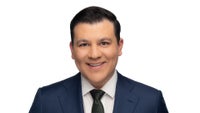
To find out, Ken Molestina and a CBS News Texas crew hit the road to hear directly from voters across the metroplex and get a sense of the Texas state of mind.
Texas is one of the most diverse states in the nation. But as demographics shift and politics become increasingly polarized, we've seen increasing intolerance: Muslim conservatives told to convert to Christianity at the state's Republican Convention. Anti-Indian sentiment on display in Frisco. A surge in antisemitism.
But despite the rhetoric, there are North Texas leaders and voters working daily to bridge divides and promote unity.
Sharing sacred spaces
Lee Loewenstein and Maribeth Desuyo spend their free time bringing people together through their work with the Dallas Interreligious Communities Project. The group is part of a larger network run by Sharing Sacred Spaces, a nonprofit that supports trainings and events to bridge cultural divides across the country.
"It brings diversified communities together through the entry point of inviting sacred architecture, which opens the door for connections through our common humanity," Desuyo said.
Loewenstein, who is Jewish, and Desuyo, who's a member of the Baháʼí Faith, organize group trips to different places of worship.
"Sometimes the commonalities are hard to see because the surface looks so different," Loewenstein said. "I think that part of it is to recognize not only our commonalities, but our differences."
The pair said they believe there are lessons from Sharing Sacred Spaces that some candidates could learn.
"I would like to see candidates campaign on issues and not smear tactics," Loewenstein said. "And represent what they believe and not misrepresent what others believe."
"What we do to one culture pretty much affects other cultures," Desuyo said. "So we really need to care for each other."
Growing representation in positions of power
When we reached out to Richardson Mayor Amir Omar, he pointed to DFW Chinatown in his city as a good place to have a conversation about multiculturalism in North Texas.
Last year, he became Richardson's first Muslim mayor. He first entered politics with a 2006 run for a U.S. House seat as a Republican. He didn't win that race, but shortly after, he served four years on the City Council. Today, in his capacity as mayor, he said he doesn't align himself with one side politically.
"There isn't one party that's better at fixing potholes than the other party," Omar said.
He said he was originally drawn to service because of his upbringing as the son of immigrants.
"My parents both kind of instilled this idea of just leaving places better than you found them and giving back to a country that has done so much for them."
Omar said Richardson can credit its diversity in large part to companies like Collins Radio and Texas Instruments operating plants out of the city.
"They were able to recruit some of the greatest engineering minds and technology minds to come here to Richardson," he said. "And that happened to include people from a lot of different walks of life and a lot of different places in the world."
Omar said the divisiveness from some politicians isn't reflected in the diversity of his city, and he hopes politicians can get back to talking about things that matter to people.
"I'm just hopeful that what can happen is that those tactics end up failing, so that candidates begin to realize the winning formula is to actually focus on things that people care about and things that make a difference."
Similarly, Texas Rep. Salman Bhojani of Euless called scare tactics like Islamophobia a distraction.
"Everybody is hurting, whether it's a grocery bill, their gas prices, their home insurance or property taxes," Bhojani said. "Instead of talking about the kitchen table issues that all Texans care about, they are focusing on scapegoating communities."
Bhojani was elected to his seat in 2022, becoming the first South Asian and one of the first Muslim Texas lawmakers. He said moving forward, he hopes to see more people fighting against intolerance in all forms:
"When one community is being marginalized, and everybody stays silent, that's when the erosion of religious freedom happens. Because it doesn't happen in a vacuum."
This is the third installment in a series of stories exploring the Texas state of mind ahead of the midterm elections. Read previous parts here:


