Day 14: Tense cross-exam, emotional testimony — and a rare jailhouse witness takes the stand in Tanner Horner trial

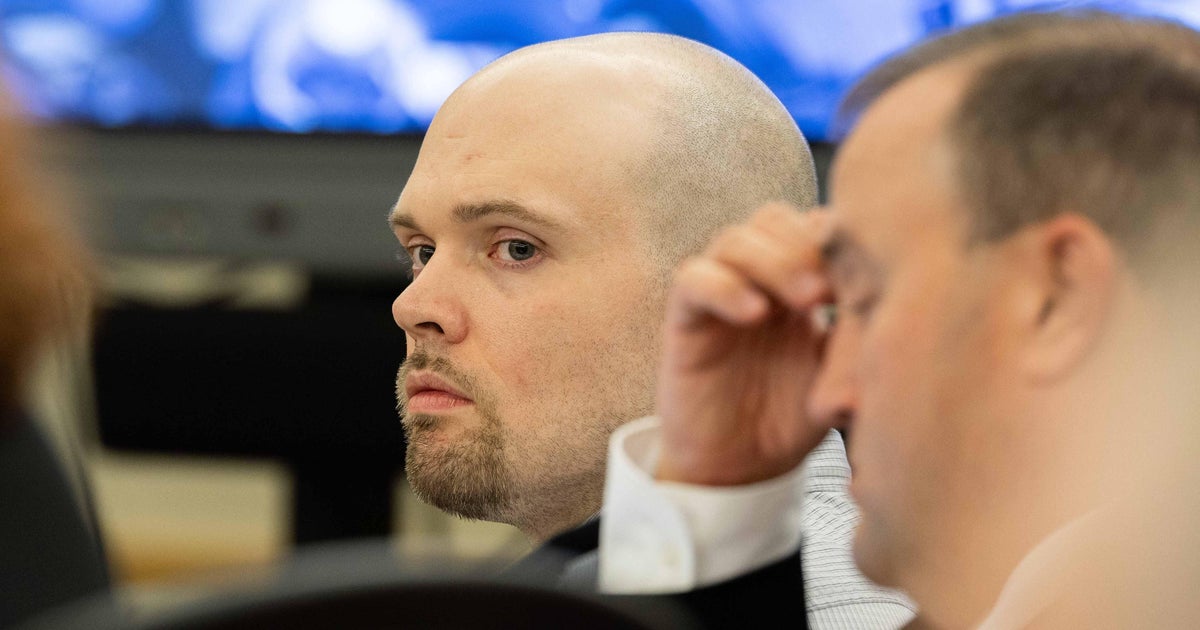
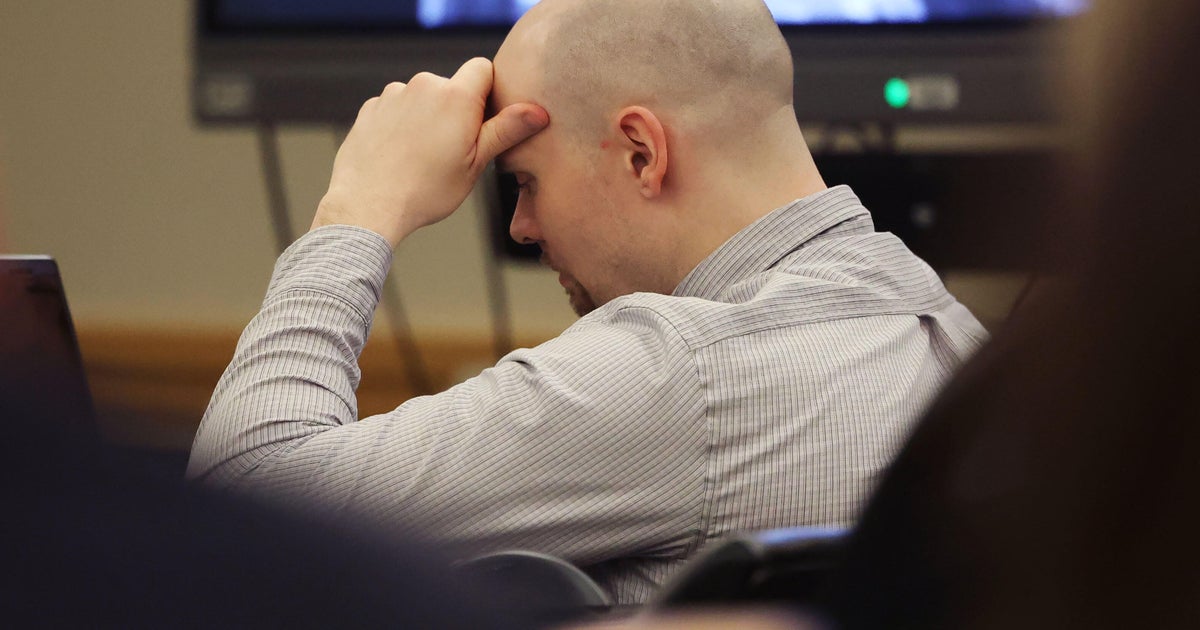
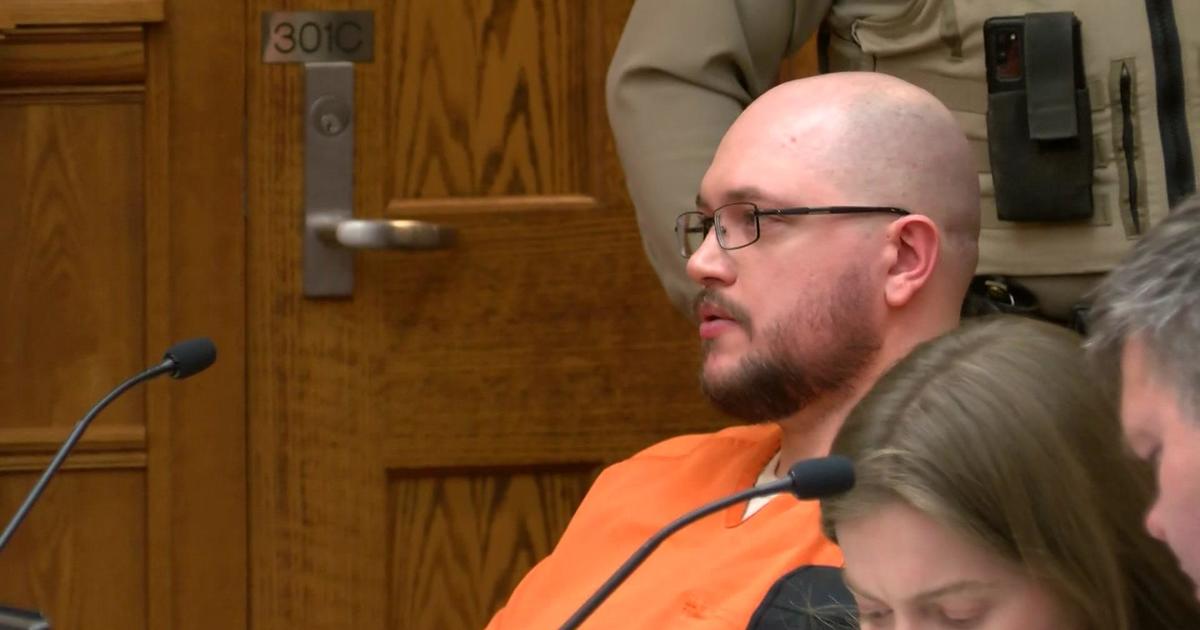
Day 14 of testimony in the Tanner Horner trial was packed with tension, emotion, and a moment you don't often see in a courtroom.
Jurors heard prosecutors challenge a key defense expert, then listened as the defense brought in a fellow inmate to make a very specific point: Horner, they argue, could spend the rest of his life in prison without being a future danger.
Horner has already pleaded guilty to killing 7-year-old Athena Strand. Jurors are now deciding whether he will face the death penalty or life without parole.
State challenges defense expert's credibility and conclusions
The day began with continued cross-examination of Dr. Eileen Ryan, a child forensic psychiatry expert called by the defense.
Prosecutors pressed Ryan on the foundation of her opinions — including the number of diagnoses she attributed to Horner and her assessment of conditions like PTSD.
They also challenged her conclusions about Horner's mental state at the time of the crime, focusing heavily on whether his actions reflected impulsivity or planning.
During questioning, prosecutors pointed to:
- Testimony that Horner drove for an extended period before the offense
- Allegations he covered a truck camera multiple times
- Statements attributed to Horner during the crime, including threats made to Athena
- Actions after the killing, including the disposal of her body and interactions with his employer
Prosecutors suggested those actions required decision-making and problem-solving, potentially undercutting the defense's mitigation argument.
Another key moment came when prosecutors questioned whether Ryan was relying too heavily on Horner's own version of events — including his claim that Athena Strand seeing him using cocaine triggered what happened.
When pressed, Ryan said she believed his account could be accurate but acknowledged she could not say so with complete certainty.
She also reiterated that while Horner has multiple diagnoses, none of them caused the offense or prevented him from knowing right from wrong.
Character witnesses describe social struggles, relationships, and behavior
The defense then called several witnesses who knew Horner at different points in his life.
A longtime acquaintance described him as socially awkward, anxious, and often drawn to controlling relationships. She testified she had never known him to be violent.
Another witness who worked with Horner at a glass company testified he struggled to retain information and could become overwhelmed, recalling at least one workplace outburst.
During cross-examination, prosecutors raised questions about prior incidents, including a situation where Horner was reportedly banned from a bar and later let go from a job following an outburst.
FedEx contractor gives emotional testimony
A former FedEx contractor who supervised Horner testified about his time as a delivery driver.
He described the demands of the job, particularly during the busy holiday season, and said Horner generally showed up for work but struggled at times.
The witness became emotional while recalling that he once gave Horner $1,100 to help with financial difficulties, telling jurors Horner "didn't have anyone else to go to."
Defense calls jailhouse witness to address future danger
In a moment rarely seen in court, the defense called a fellow inmate who has been housed near Horner for about a year.
The witness, who disclosed a lengthy criminal history, testified that he and Horner developed a friendship while incarcerated. He also testified that he did not know the full scope of what Horner was guilty of.
The jailhouse witness, whose name was not identified, described Horner as someone who struggles with social cues and warned that others in jail could take advantage of him.
The testimony appeared aimed at addressing a key question jurors must answer in a death penalty case: whether the defendant would be a future danger if sentenced to life in prison.
The witness said he had never known Horner to be violent while in jail and testified that Horner never discussed details of the crime with him.
Expert testimony focuses on brain development, but stops short of FAS diagnosis
Later in the day, jurors heard from Dr. Julian K. Davies, a pediatric expert specializing in fetal alcohol spectrum disorders.
Davies testified about how alcohol exposure during pregnancy, particularly in the first trimester, can impact brain development.
Jurors were also shown a sworn affidavit from Horner's mother, Melissa Horner, which stated:
"I was 19 years old when I became pregnant with Tanner and was 8½ weeks along before learning I was pregnant. Prior to learning I was pregnant with my son, Tanner, I would drink to intoxication on numerous occasions. I would drink Jack Daniel's and Coca-Cola all night. When I learned at 8½ weeks that I was pregnant, I stopped drinking alcohol altogether for the remainder of my pregnancy. Although I quit drinking alcohol once I learned of the pregnancy, I continued to smoke cigarettes on a daily basis. In addition to smoking cigarettes, I also smoked marijuana to help me with my morning sickness."
Despite that history, Davies testified that Horner does not meet the criteria for Fetal Alcohol Syndrome or related disorders.
Instead, he described Horner as having moderate brain dysfunction, saying some findings in his evaluation "lined up" with what he observed.
He testified that:
- Only a small number of areas rose to severe impairment, with others approaching that level
- Horner has a history of multiple head injuries, which could have further impacted brain development
- Overall, his condition reflects moderate, not severe, impairment
What's next
The judge said Horner's brother will no longer testify.
Court resumes Thursday morning, with Horner's grandmother expected to take the stand.
Defense testimony is expected to wrap on Monday, with closing arguments as soon as Tuesday. At that point, jurors could begin deliberations on whether Horner will be sentenced to death or life in prison without parole.