Mobile billboard protests University of North Texas removal of Latino artist's exhibit
A battle over art, free speech, and censorship is playing out at the University of North Texas in Denton, and now it's hitting the streets.
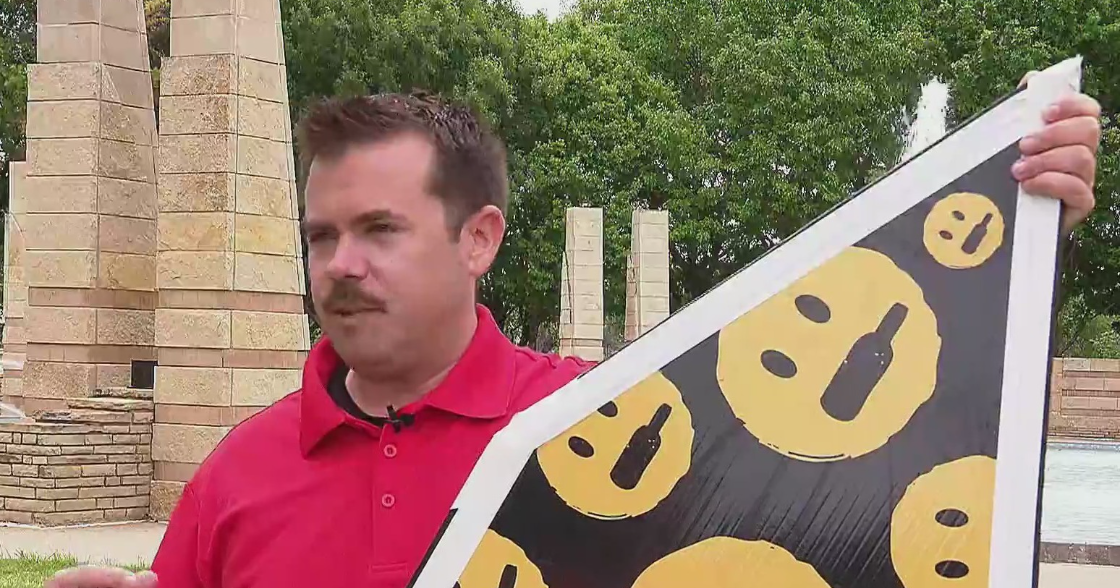
If you've been around the campus this week, you may have noticed a mobile billboard driving by. Mounted on the back of a truck, it carries a five‑word message that has sparked conversation among students.
"I think it's necessary, especially when UNT is going around getting rid of protest pieces," said student Alejandro Perez.
Exhibit pulled without explanation
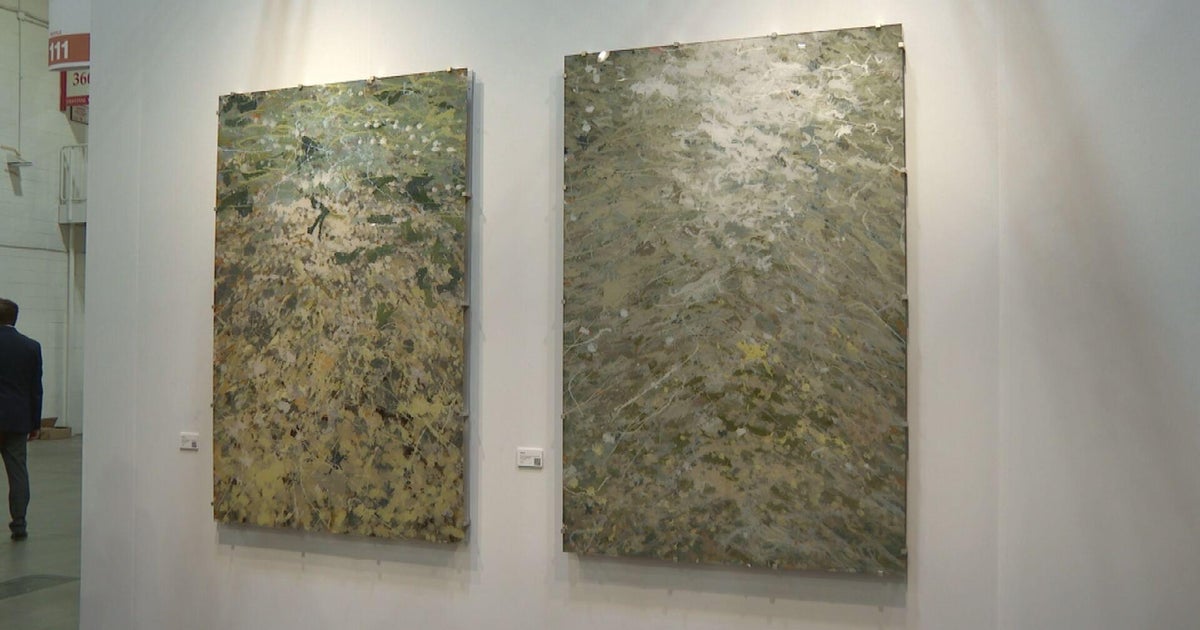
In February, the university removed the exhibit of Latino artist Victor Quiñonez, and officials did not provide a clear reason. Some said the art was critical of U.S. Immigration and Customs Enforcement. The billboard is a response to the university's decision to remove the "Ni De Aquí, Ni De Allá" exhibit.
"Frankly, I think it needs to be said, very loudly, very in your face, as long as it needs to be said," said student Riley Hale.
Artist explores identity and resilience
Quiñonez, who works under the name Marka27, said his art explores the bicultural identity of Latino Americans, along with themes of Indigenous resilience and immigration.
"Art and our expression should never be controlled by the people in power," said Chole Kempf, a staff attorney with the ACLU. "It's we, the people that have given us our rights, and it's we the people who have to come together and defend them."
Advocacy groups join the effort
Quiñonez, the National Coalition Against Censorship, and the American Civil Liberties Union organized the billboard campaign. A QR code links to a statement from Quiñonez and shows images of the art removed from UNT.
Kempf said the campaign is about censorship and giving students another chance to experience the work.
"Students were really upset to have been denied this opportunity to engage with Victor's art, and I think the mobile billboards are giving them a second chance," Kempf said.
University cites disruption concerns
The university did not address the billboard on Thursday. In a statement about the exhibit, UNT told CBS News Texas that "after careful review of multiple considerations, the decision to conclude the agreement was made by university leadership due to concerns about the potential for disruption to the educational environment and the possible impact on university operations and resources."
Debate over academic freedom
However, Kempf said the university should be encouraging students to think critically.
"The First Amendment protects our expression like art, and art is meant to cause conversation, cause conflict, have people disagree," Kempf said. "And as an educational institution, I think UNT should be encouraging that kind of academic freedom amongst their students. And giving them more opportunities to engage with art and the perspective of others, so that when they graduate, they can be prepared to be, you know, the best contributors to our society they can be."
Meanwhile, Quiñonez said he is "thankful to see support for the role of art in fostering dialogue and connection."
"My work has always been rooted in shared experience, and it's meaningful to see that message continue to reach people in the community," Quiñonez said.