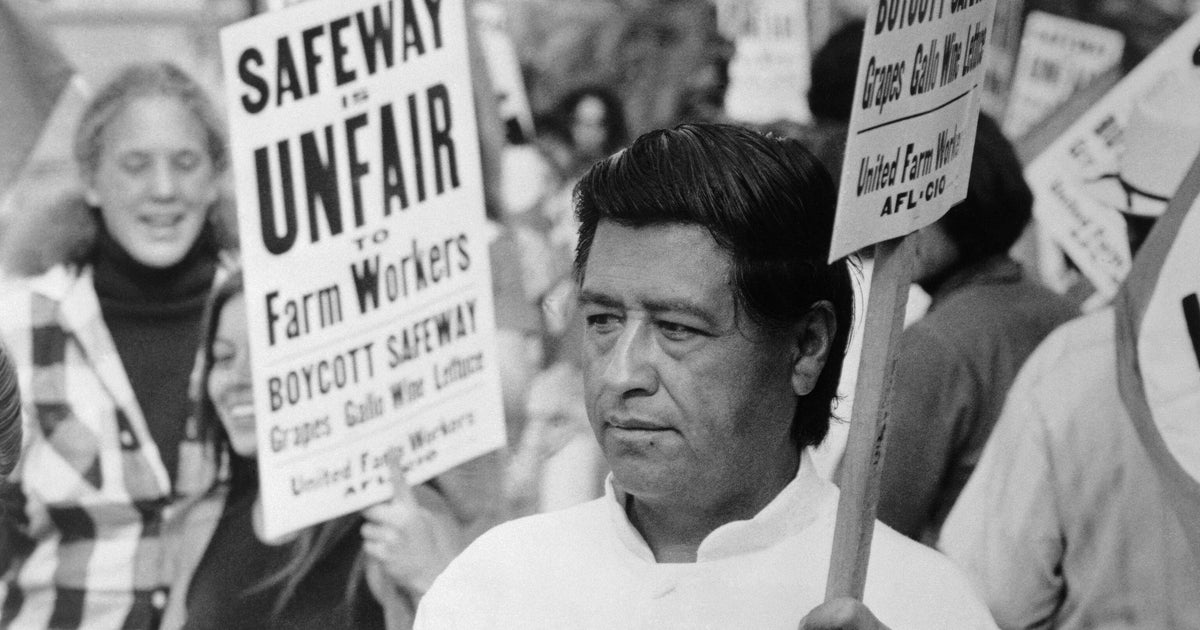
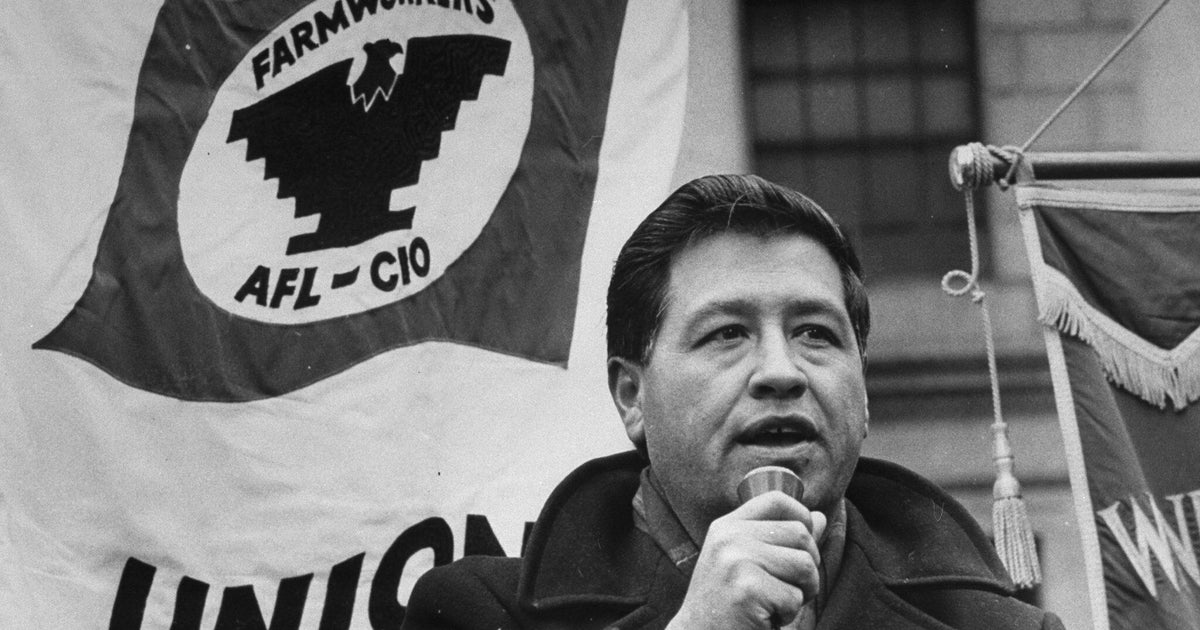
As Fort Worth removes Cesar Chavez street toppers, how does Chicano movement move forward?
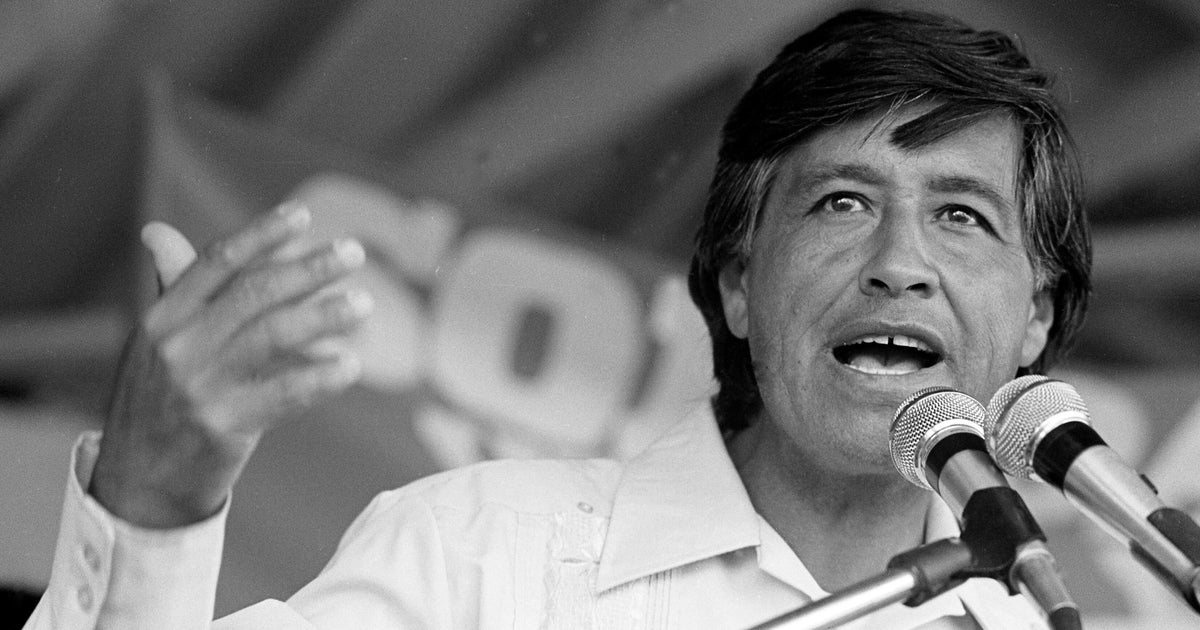
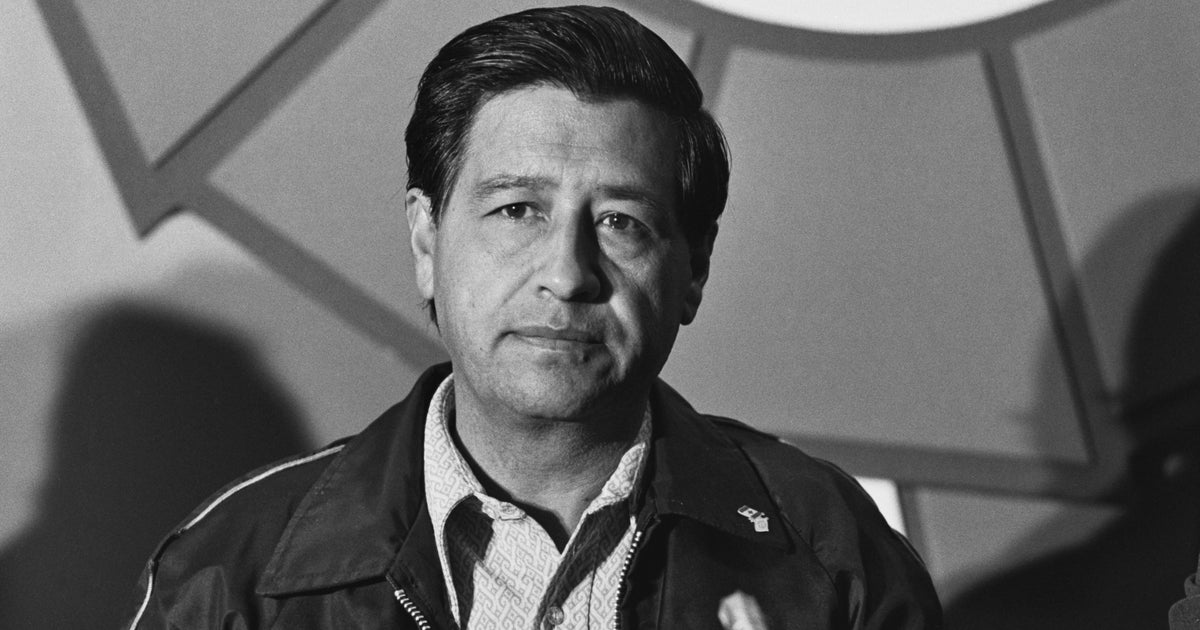
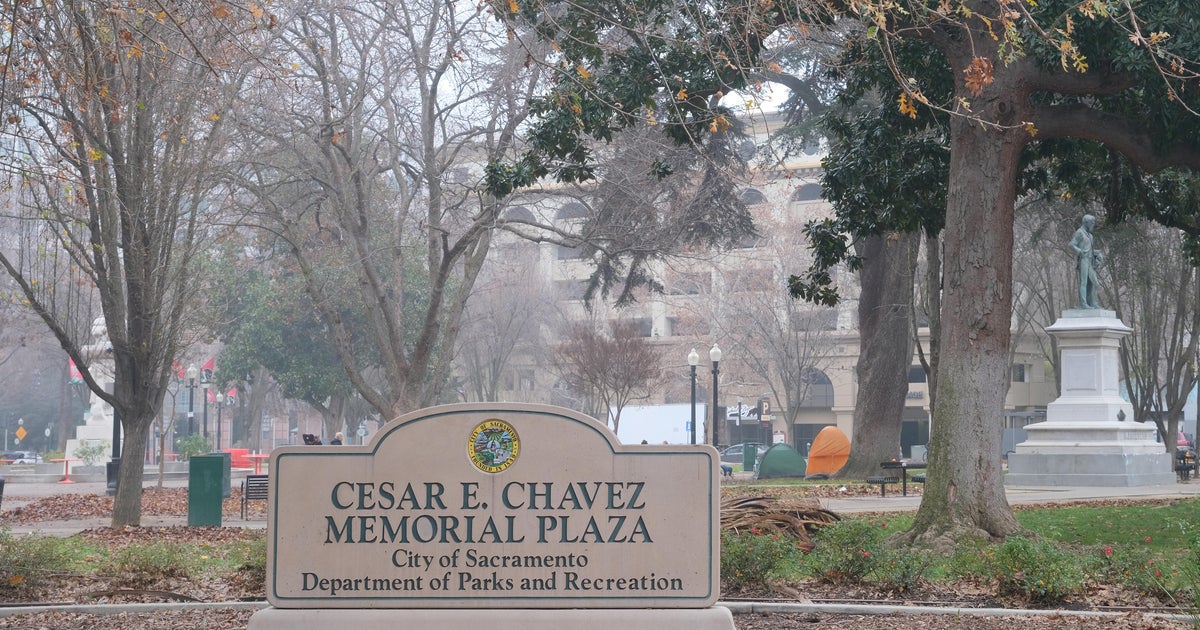
As community leaders call to remove the name of the late civil rights activist Cesar Chavez from buildings and street signs, the City of Fort Worth acted on Thursday.
"The city has already removed the street toppers that give the honorary designation for Cesar Chavez," said Mayor Pro Tem Carlos Flores, who represents District 2. "If we don't take this action, I think it sends the wrong message."
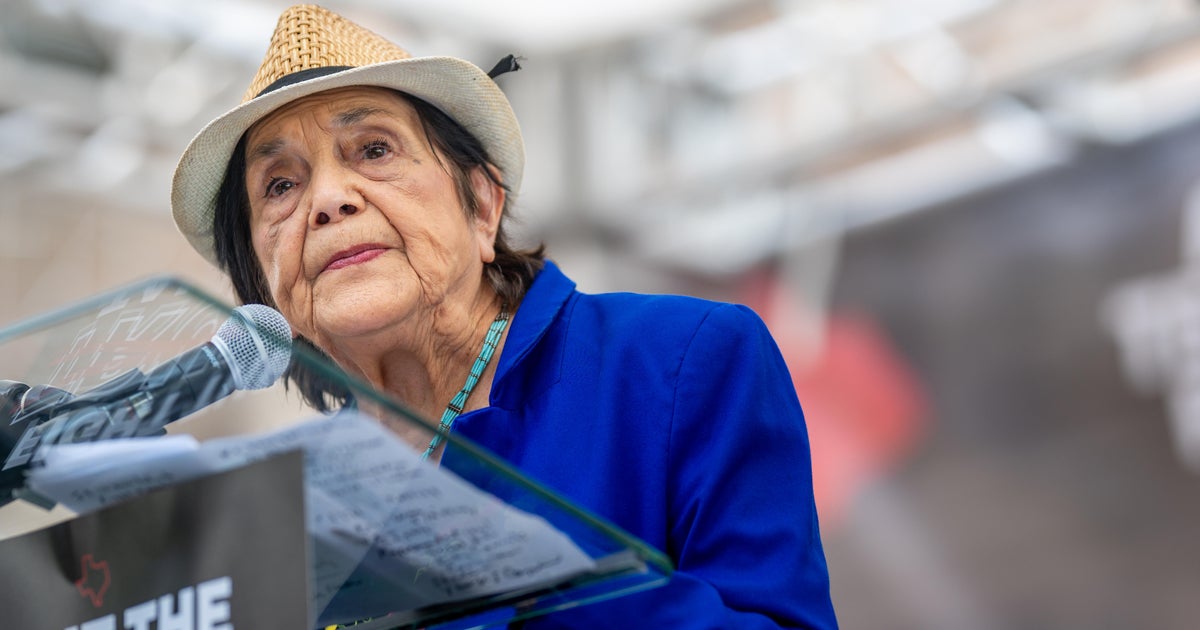
Cesar Chavez honorary signs along Northeast 28th Street in Fort Worth's northside neighborhood were removed. Toppers honoring United Farm Workers co‑founder Dolores Huerta will remain.
The move follows sexual assault allegations accusing Chávez of grooming and abusing girls, including Huerta.
Chavez is widely known for negotiating better wages and working conditions for farm workers.
Local committee rebrands its identity
In Fort Worth, the group formerly known as The Cesar Chavez and Dolores Huerta Committee of Tarrant County has also made changes. The organization has rebranded as the ¡Sí Se Puede! Committee of Tarrant County, removing Chávez's name from its social media and materials. The group, which organizes the annual March for Justice, said the march will not take place this year. Instead, members will participate in a No Kings Day rally on March 28.
"It is of utmost importance to continue working for social justice," said Maricela Jimenez, the organization's president. "And that is what we are moving forward with, that vision."
Scholars urge broader reflection
As communities respond to the allegations, some are asking how the Chicano movement should move forward.
"We have in this culture, in this country, a habit of putting a lot into individuals, usually great men, and I think this is an opportunity for us to think about how we might not do that going forward," said Karma Chavez, a professor of Mexican American and Latino‑Latina studies at the University of Texas at Austin.
Karma Chavez, who is not related to Cesar Chavez, said the movement should center community and elevate women, queer people, and young people.
Debate over removing names
"Let's not replicate the same mistakes we've made in the past, both in terms of sexism and sexual misconduct, but also in the way that we venerate certain people over all others," she said.
However, she questioned whether removing Chavez's name from public spaces is the best path.
"What's going to go up in their place? I think we need to really think about how we want to commemorate the struggles around the farm worker movement, the Chicano movement more broadly," she said. "What we don't want is our communities to be completely erased. And I think, you know, that's a real risk right now, too."
She said any decisions about statues, street names, or other honors should come through broad community discussion.
"It's going to take a lot of discussions between a lot of stakeholders, it's going to take time, and I don't think we should act rashly," she said. "I think we should get a lot of weigh‑in and a lot of buy‑in from our communities, and make principled decisions about what we want to do with these statues, with the street names, etc., in order to honor our culture in its entirety."