Dallas voters to decide on record $6.2 billion Dallas ISD bond in May election
In May, Dallas voters will have an opportunity to decide on a bond election by Dallas ISD valued at more than $6.2 billion, a record amount in the State of Texas.
If voters approve, they will agree to raise their property tax rate by one cent. It's estimated it will cost homeowners an extra $2.79 each month and an extra $33 annually with a home value of $500,000 after the $140,000 homestead exemption.
The bond would build 26 brand new schools, renovate and modernize all campuses, remove the 700 remaining portable classrooms and upgrade security.
It will also provide various updates, including technology for students, debt service refinancing and repairs for swimming pools.
The bond election is comprised of four propositions, A through D. Early voting for this and other municipal elections runs from Monday, April 20, through Tuesday, April 28.
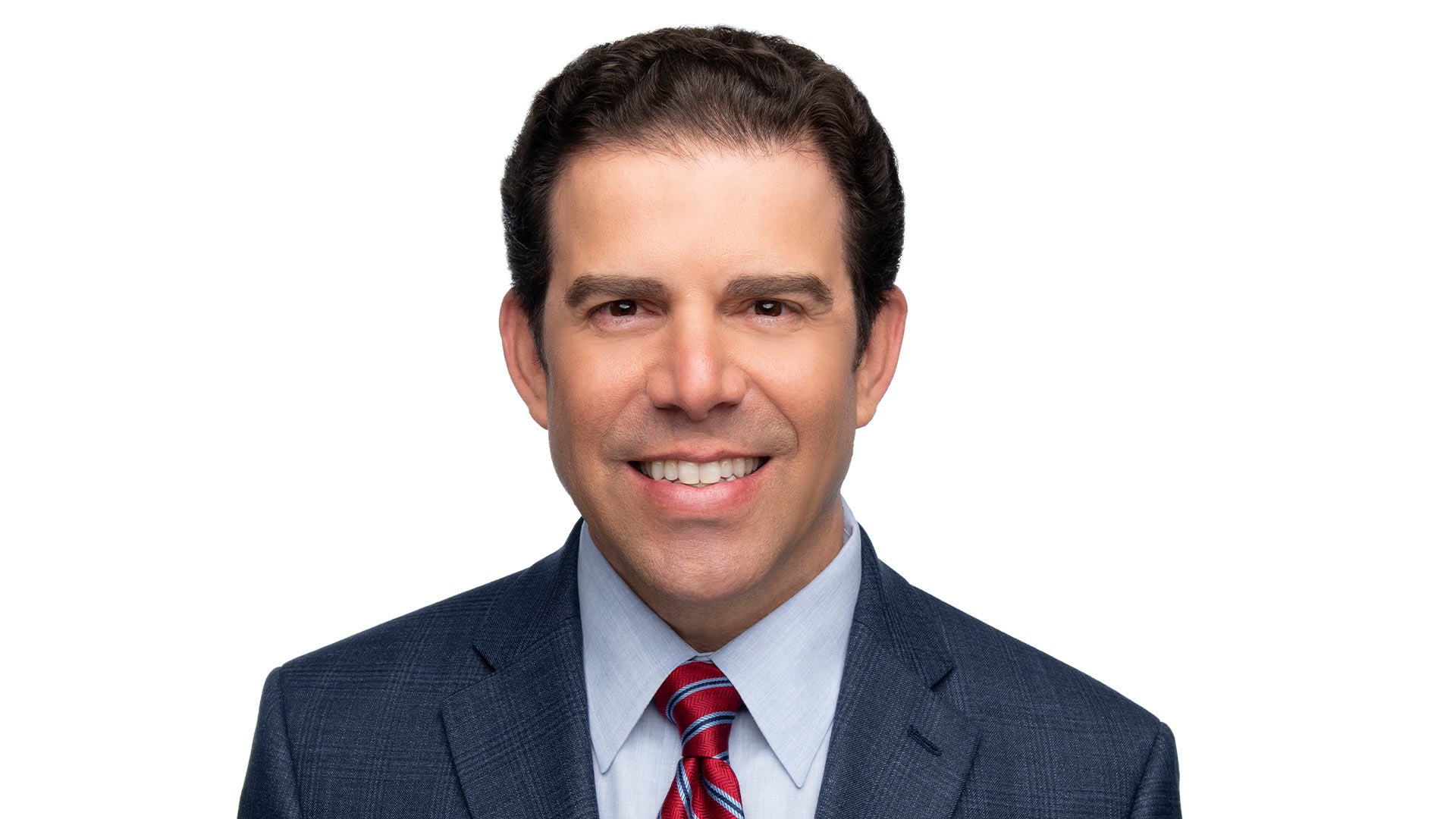
CBS News Texas political reporter Jack Fink spoke with the Dallas ISD Bond Campaign co-chair and former school board trustee Miguel Solis, who explained more about why the bond is needed.
"Kids getting a high-quality education in high-quality facilities will inevitably lead to a better economic outlook," Solis told Fink. "Because more kids will then be getting better grades that lead to better jobs and maximizes their earning potential... this is a workforce play as much as anything else."
Solis said that the tax rate in Dallas ISD has been consistently decreasing since 2019.
"When you look at the ten largest districts in North Texas, it's actually got the lowest tax rate," he said. "That only gets the district so far to be able to ensure, once and for all, that every student and every school across Dallas ISD can have physical infrastructure improvements."
According to Solis, there are 135,000 students in Dallas ISD.
"That number alone is larger than most Texas cities outside of Dallas," Solis said. "The district is just big."
The Texas Public Policy Foundation said that if the Dallas ISD bond is approved, it could double the district's debt.
"Anytime you issue a bond, that's you're essentially issuing debt," Solis said. "And that debt can extend out over the course of, you know, multiple years. The 2015 bonds over the course of, I'd like to think maybe the next 5 or 10 years, we will probably see that debt ultimately paid off."
Solis said that the district feels "pretty confident" that it can manage any existing and new debt.