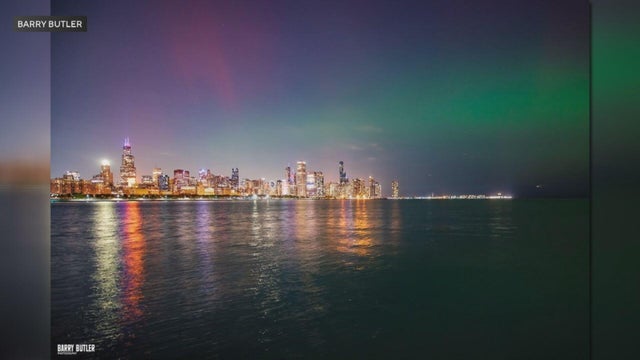
How to see the northern lights tonight in Chicago and Illinois
Miss Tuesday night's display? You will be able to see the northern lights tonight in Chicago and Illinois on the second night of a geomagnetic storm.
Watch CBS News

Miss Tuesday night's display? You will be able to see the northern lights tonight in Chicago and Illinois on the second night of a geomagnetic storm.
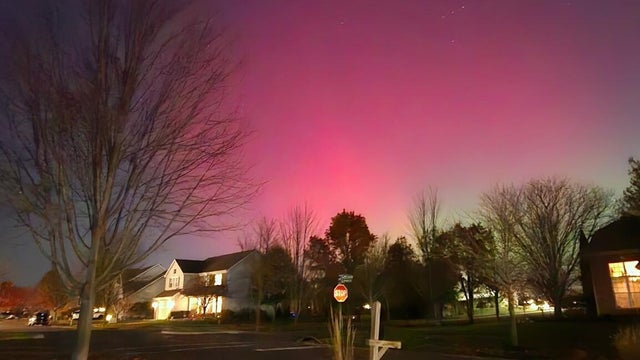
The northern lights were visible Tuesday night across the Chicago area, illuminating the sky with brightly colorful displays due to severe solar storms.
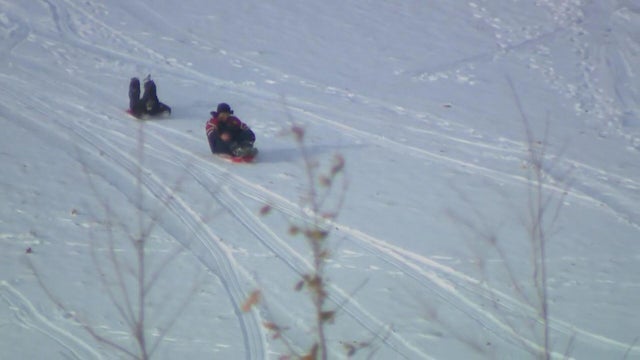
A Winter Storm Warning remains in effect for Northwest Indiana and the northern suburbs while much of the Chicago area has been downgraded to a Winter Weather Advisory.
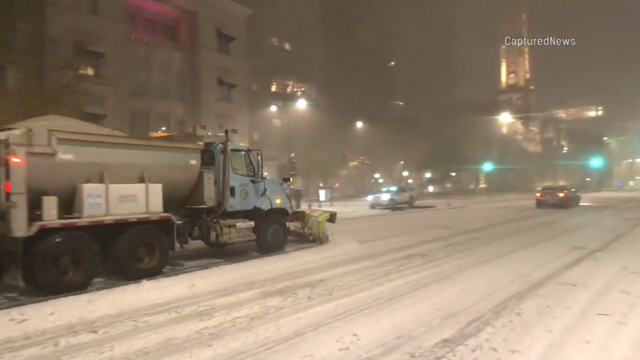
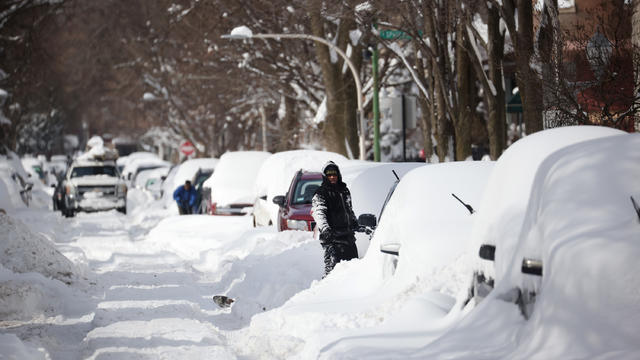
The Chicago area and parts of Indiana got socked with a massive and unseasonable snowfall Sunday night into Monday morning, and it was not over as the morning commute began.
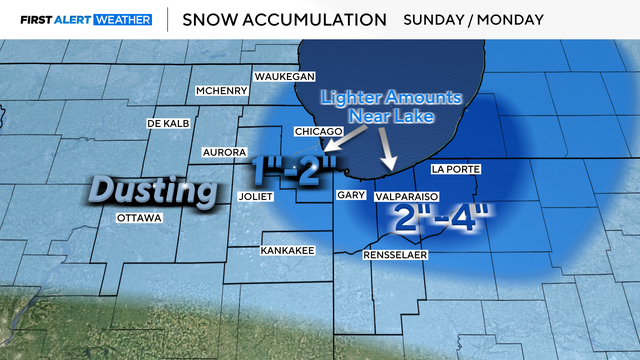
Accumulating lake effect snow now looks more likely near lake Michigan Sunday night into Monday morning, which could pose a problem for Monday morning commuters in Chicago and northwest Indiana.
All you need to produce some of the largest snow events on record is cold wind blowing over warm water.
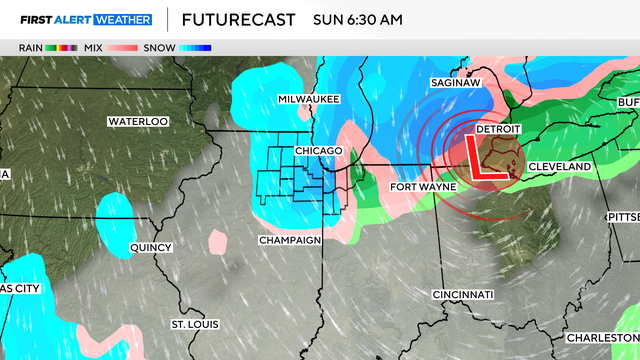
A strong cold front and developing storm system will likely lead to the first wet snowflakes of the season in the Chicago area this weekend.
Far from Gulf Coast hurricanes and California wildfires, Chicagoland seems like a safe place to be in a warming world. But is it?
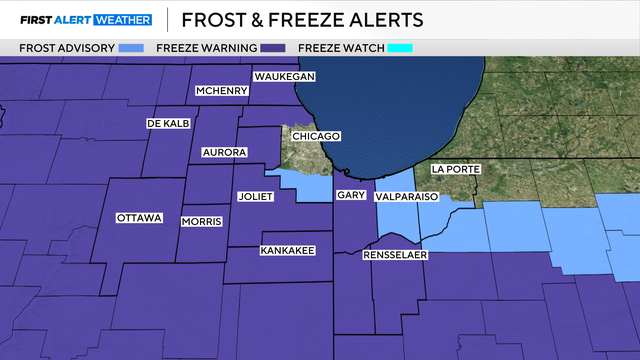
A Freeze Warning is in effect Friday morning for much of northern Illinois and northwest Indiana, following a recent trend of happening a little later than normal.
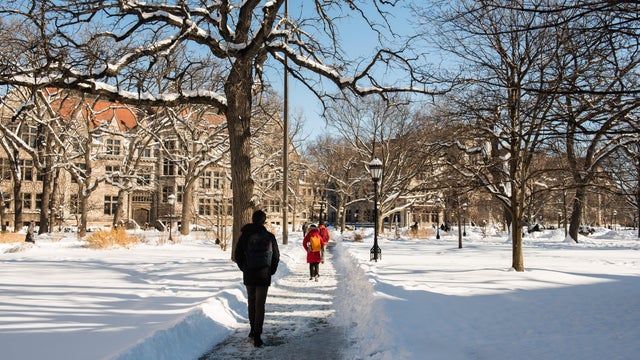
The 2025-2026 Chicago winter could be the city's coldest and snowiest in years, all thanks to a weather phenomenon thousands of miles away called "The Blob."
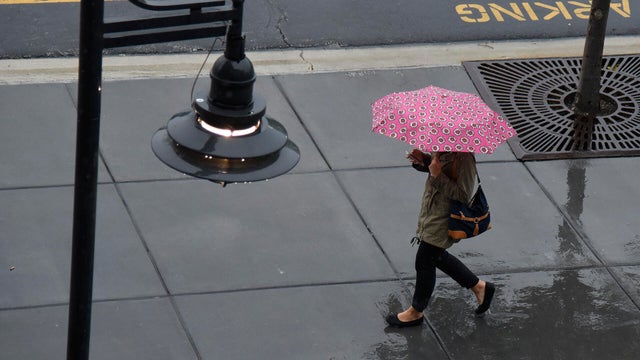
The chance of rain is one of the most misunderstood elements of a weather forecast.
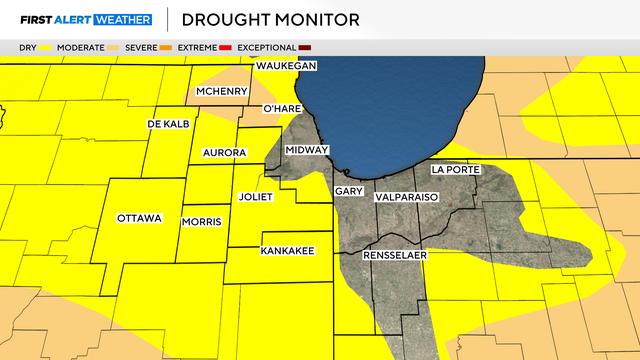
This September is poised to be one of Chicago's driest on record, with little to no additional rain expected through the end of the month.
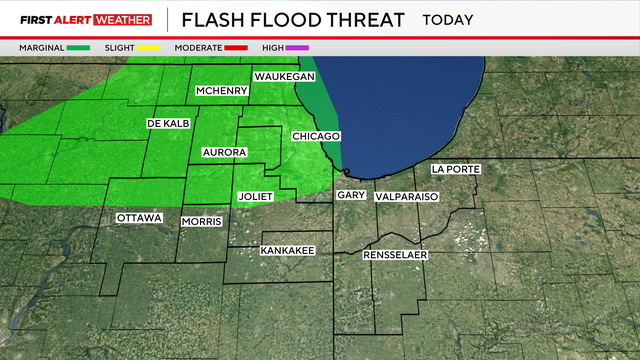
The periods of storms will run from Saturday evening into the overnight hours, Meteorologist David Yeomans said.
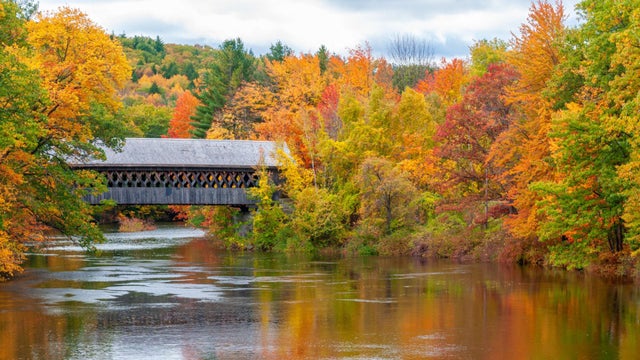
As the long, warm days of summer transition to a darker, cooler winter, leaves across much of the country put on a dazzling display of colors. But why?
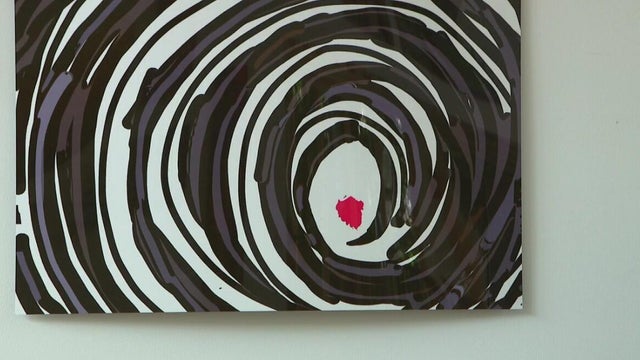
A Chicago area artist combines art and science in a dazzling way, and CBS News Chicago meteorologist David Yeomans even tried his hand at it as he checked out Environmental Graphiti.