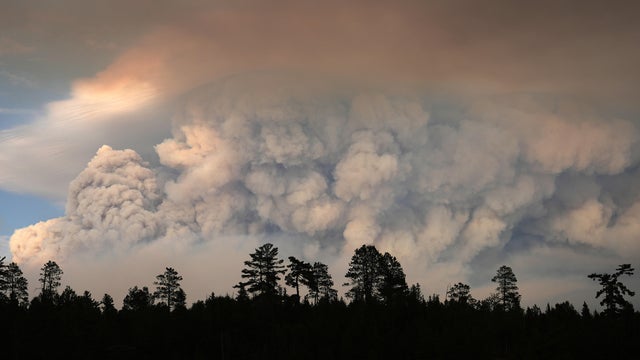
How wildfire smoke is different from backyard bonfire and the health risks it poses
The last 20 years have seen a steady number of wildfire occurrences in the U.S. and an increase in Canada.
Watch CBS News

The last 20 years have seen a steady number of wildfire occurrences in the U.S. and an increase in Canada.
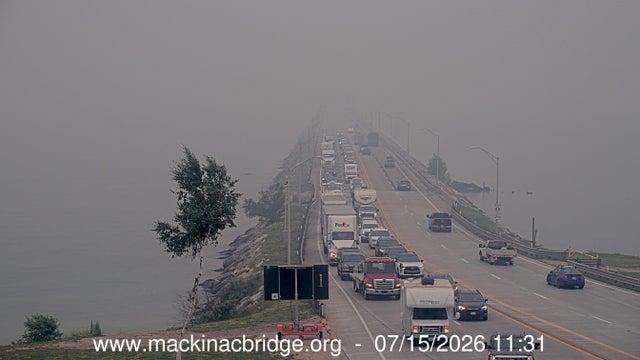
Smoke from multiple wildfires in Canada and Minnesota is moving over Michigan, eroding the air quality in the state.
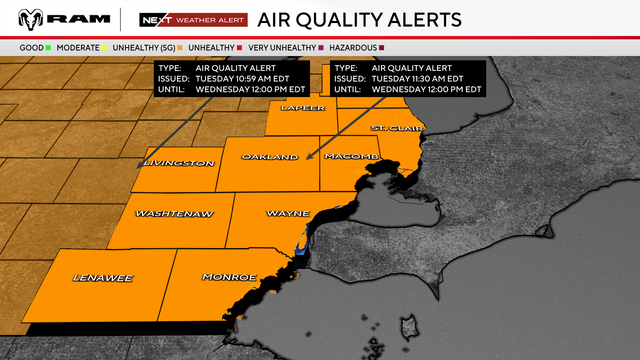
Southeast Michigan residents face two weather hazards on Wednesday, with an air quality alert issued due to wildfires and a continuing heat advisory.
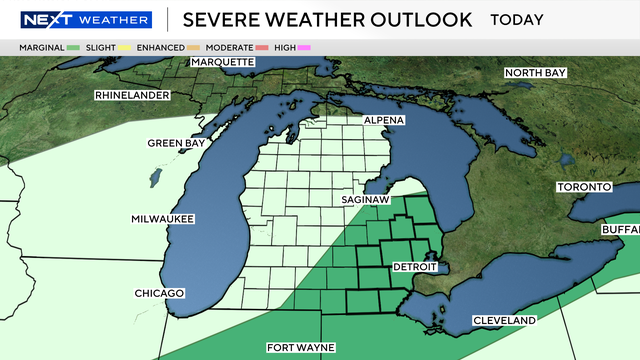
The risk is much lower than last week, but with some heavy rain and gusty winds, chances are all the same.
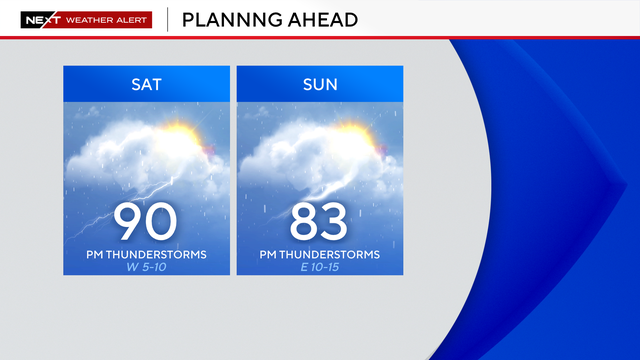
Temperatures begin a cooling trend (finally) as this weekend arrives. However, we must still contend with some storm chances each day.
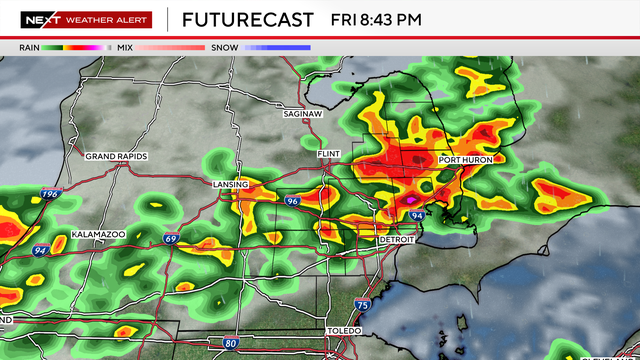
Any storms that do occur would have a risk of heavy rainfall, strong winds and larger hail.
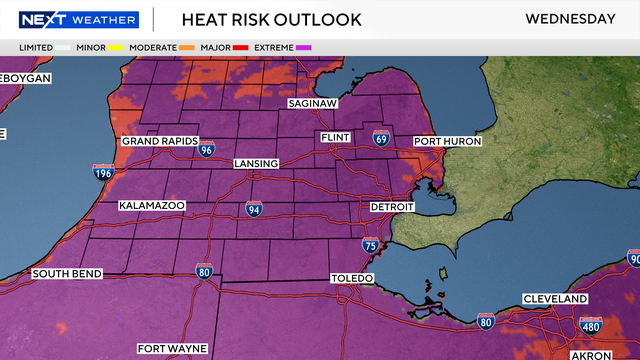
Extreme temperatures are on the horizon in Southeast Michigan, setting the stage for a prolonged and dangerous heat wave next week.
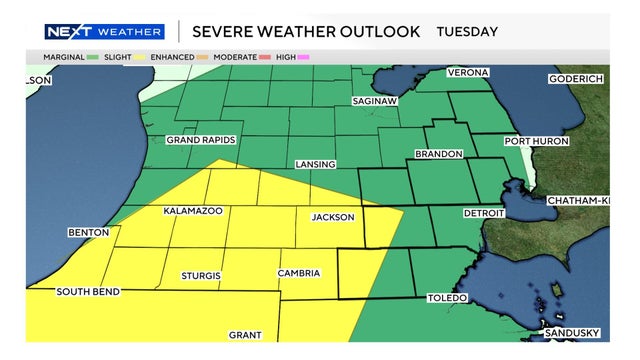
Severe weather returns to Southeast Michigan this week as a parade of fronts moves through the Great Lakes region.
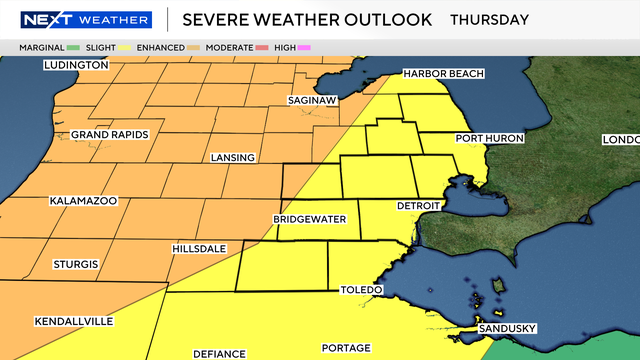
A complex of storms will move across the region from west to east later Wednesday evening.
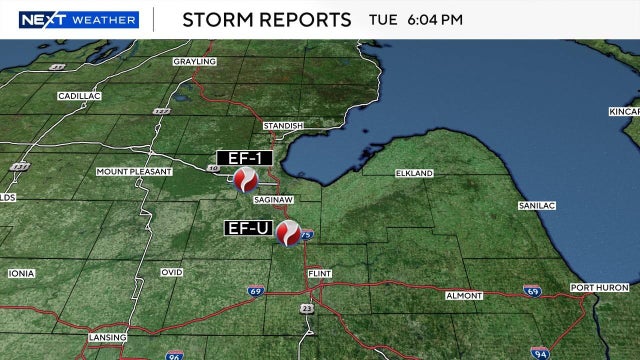
Two tornadoes touched down in Michigan on Tuesday during a spurt of severe weather that also resulted in a tornado warning for Metro Detroit.
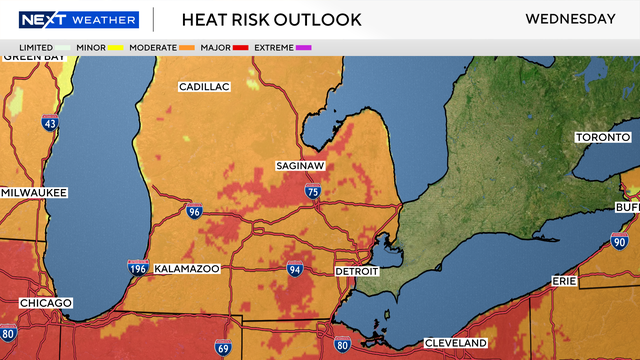
Temperatures climb quickly this week, with humid air arriving as well.
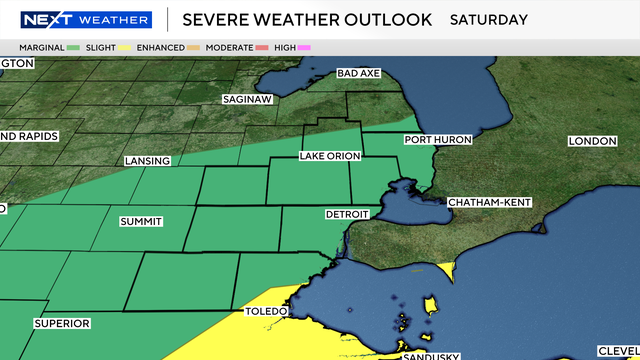
If you have outdoor plans to kick off the weekend across Southeast Michigan, you will want to keep an eye on the radar.

The Detroit Grand Prix is back, and the weather is expected to be ideal for the three-day event.
Officials say a tornadic waterspout briefly touched down on Big Bradford Lake in Waters in southern Otsego County.
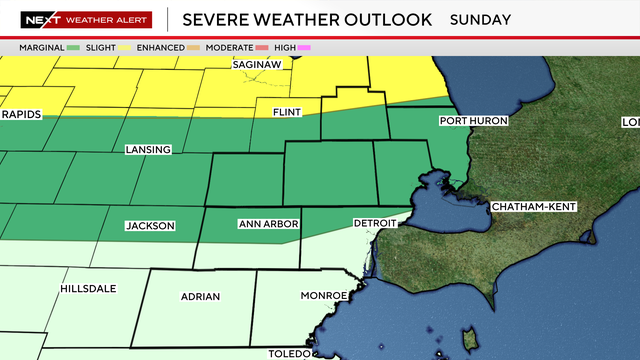
Severe storms are moving through the northern portion of Southeast Michigan on Sunday evening.