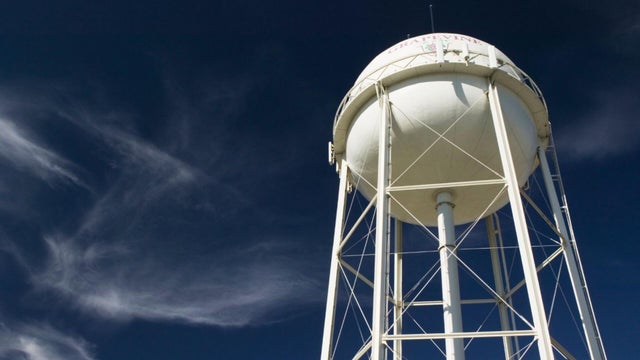
Is Iran targeting the U.S. water supply?
Investigators are examining whether Iran was involved with a series of cyberattacks on water systems in Minnesota and other states. Nicole Sganga reports.
Watch CBS News
Investigators are examining whether Iran was involved with a series of cyberattacks on water systems in Minnesota and other states. Nicole Sganga reports.
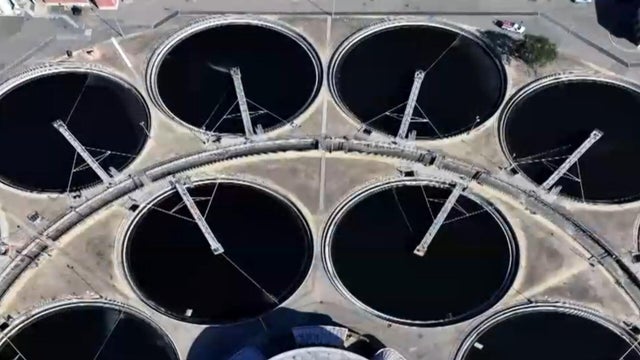
Seven western states rely on the Colorado River Basin, but drought and climate change are causing water shortages in the region. Recycling treated wastewater is a proven way to ease pressure on the Colorado River, but a new report finds that many states are failing to take advantage of it. Mark Gold, one of the UCLA authors of that report and director of Water Scarcity Solutions at the Natural Resources Defense Council, joins "The Daily Report" to discuss.

A CDC program tests wastewater from airplanes, looking for pathogens that may have hitched a ride with passengers on long-haul international flights.
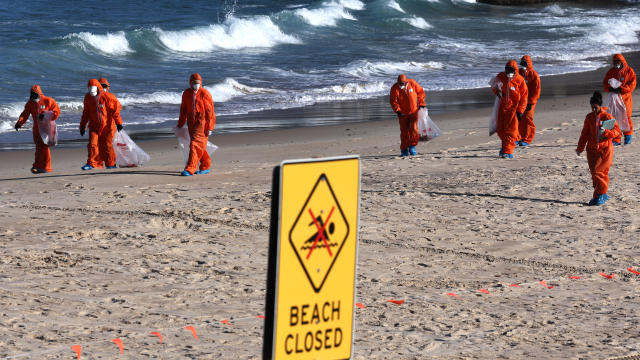
An environmental agency says black balls that washed up on Sydney beaches aren't tar, but a "complex composition" of "mixed waste."

A new study from 17 international scientists found that active pharmaceutical ingredients -- the part of medications that help make them effective -- are having increasingly negative impacts on animals and ecosystems across the world. The authors are calling on drug makers to design more sustainable products with environmental impacts in mind. Karen Kidd, one of the study's authors, joins CBS News to unpack the findings.
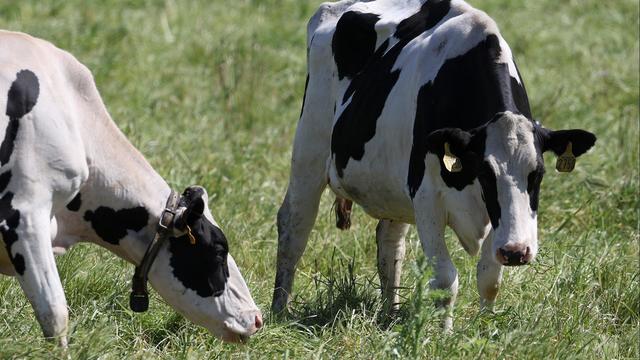
As bird flu spreads among cows in the U.S., the CDC plans to publicly post data on a specific influenza virus found in wastewater. Dr. Celine Gounder, CBS News medical contributor and editor-at-large for public health at KFF, joins to break down the latest developments in tracking the virus.
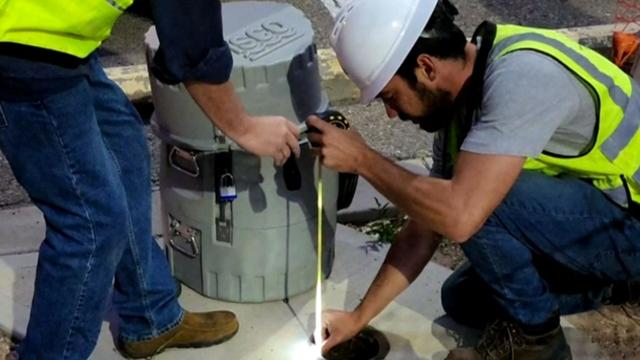
New Mexico is one of the first U.S. states to drug test its public schools' wastewater for a range of opioids and stimulants. Wall Street Journal reporter Sara Randazzo joins CBS News to examine some of the data released earlier in December.
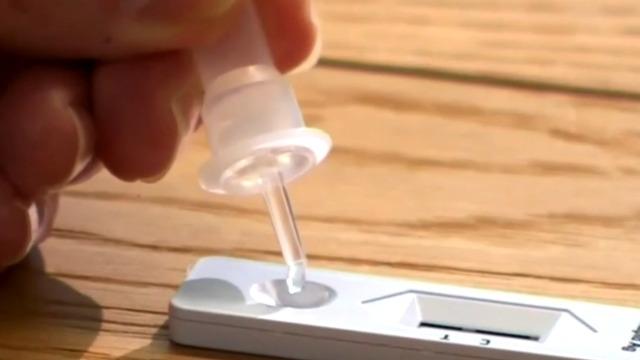
The World Health Organization is calling the JN.1 COVID-19 strain, a subvariant of the Omicron strain, a "variant of interest." Dr. William Schaffner, a professor of infectious diseases at Vanderbilt University Medical Center, joins CBS News with details on the virus's spread.
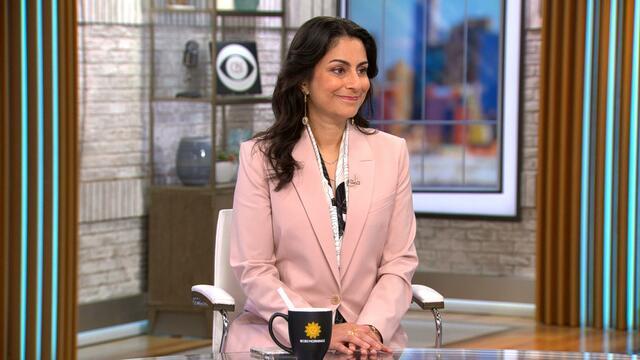
COVID cases and hospitalization rates are rising, as fall quickly approaches. CBS News medical contributor and editor-at-large for Public Health at KFF, Dr. Celine Gounder, joins "CBS Mornings" to discuss.
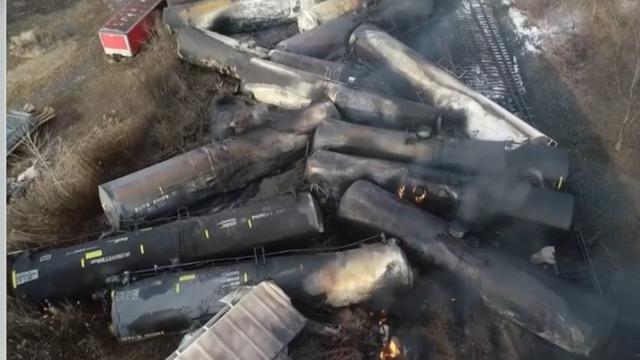
A Texas county official says there are outstanding questions about the transportation and disposal of toxic wastewater that's been moved to a Houston suburb from the site of the Ohio train derailment.