COVID surge continues as FDA recommends booster for limited group
Nearly 10,000 people died last week from the virus. Children, who are still not eligible for the vaccine, account for almost 29% of all COVID-19 cases.
Watch CBS News
Nearly 10,000 people died last week from the virus. Children, who are still not eligible for the vaccine, account for almost 29% of all COVID-19 cases.
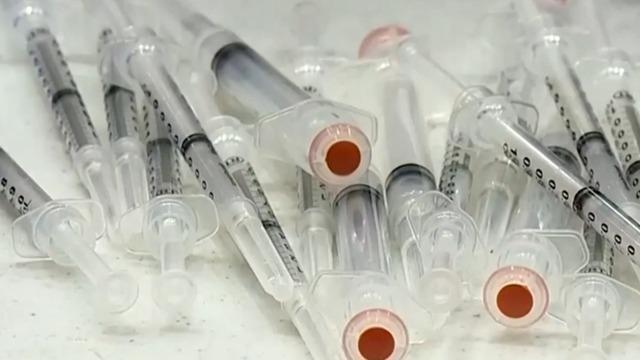
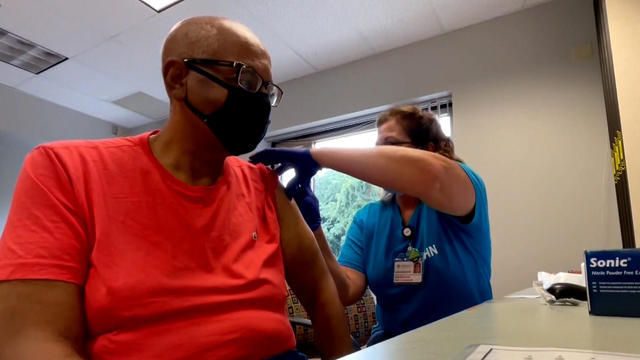
The FDA is recommending coronavirus booster shots for people 65 and older or with compromised immune systems. It declined to recommend a third shot for the general public. Dr. William Schaffner, who is on the CDC's advisory committee on immunization, joined CBSN to discuss the FDA's decision.
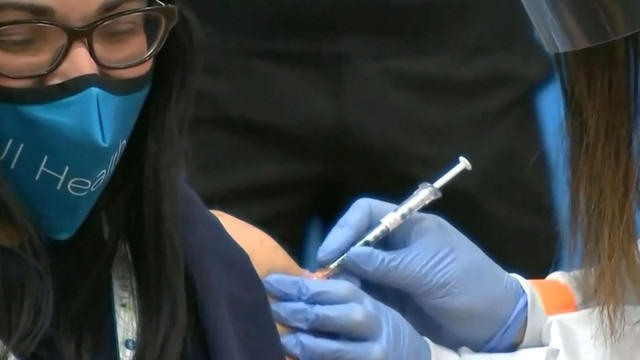
The FDA advisory panel voted to recommend Pfizer booster shots for people 65 and over and others at higher risk of serious illness. It was the first vaccine to be authorized for emergency use and was used in the earliest stages of America's vaccination program. But the FDA is saying the boosters are not for everybody. Michael George reports.
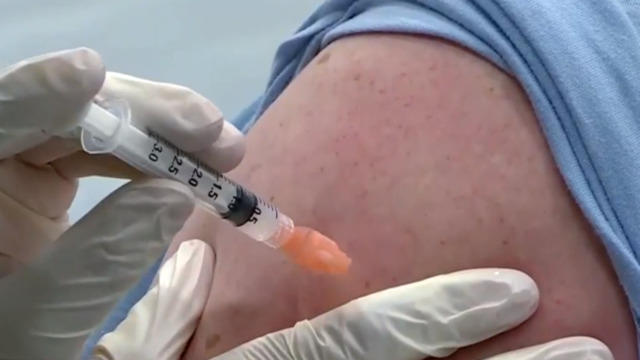
Amid confusion about whether COVID-19 booster shots are necessary, Dr. Jon LaPook explains what the FDA’s decision on the Pfizer booster shot means and who should be getting them.

Prior to the FDA's announcement Friday that a COVID-19 booster shot is only recommended for some Americans, President Biden planned to begin offering booster shots to the general public as soon as next week. Nancy Cordes has more on how Mr. Biden has softened his position.
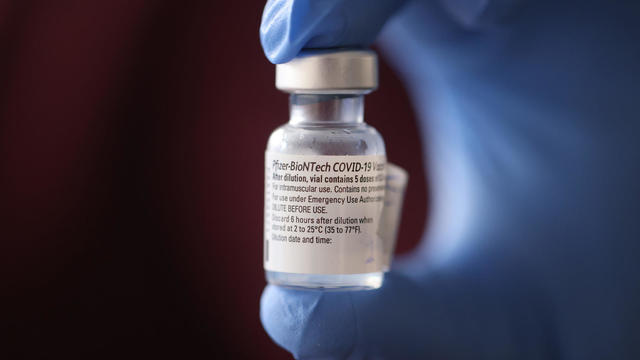
The panel had initially rejected by a majority vote over Pfizer's request for full approval of a booster.

Final test results are expected in upcoming days.
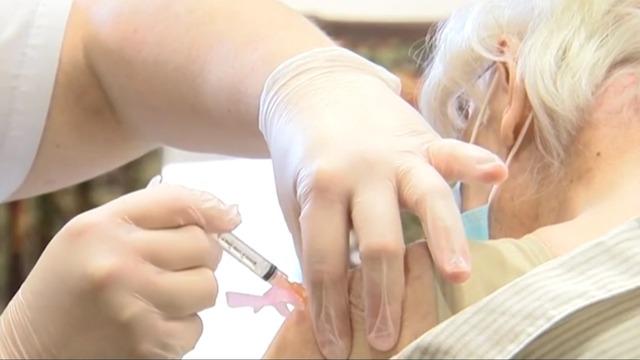
As the number of COVID-19 infections continues to climb, there's a nationwide scramble for more vaccines. This comes as there's new concern over the contagious variant of the virus which has now been detected in at least 22 states. Tom Hanson reports.
A major moment: Dr. David Agus joins "CBS This Morning: Saturday" to discuss the first COVID-19 vaccine approved in the U.S. and the next steps forward.
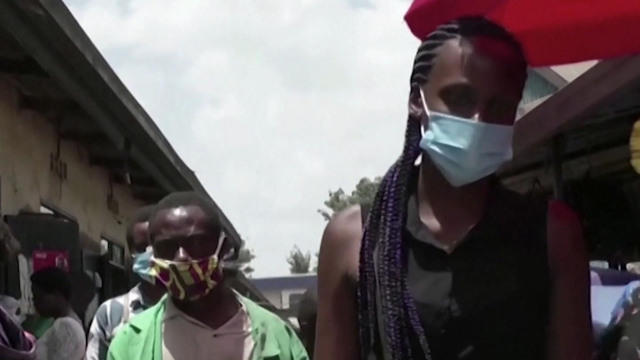
As the ambitious COVID-19 vaccine rollout in the U.S. moves slower than expected, many Americans will have to wait months to be vaccinated – but the wait could be years in poorer nations. A few rich countries, including the U.S. and Canada, have 14% of the world's population, but control 53% of the vaccine supply. Elizabeth Palmer has that part of the story.

The U.S. has reported its deadliest week yet in the fight against the coronavirus pandemic. More than 3,200 people died from COVID-19 each day this week, while far fewer Americans have been vaccinated than what health experts had predicted in December. CBS News correspondent Michael George has the details.
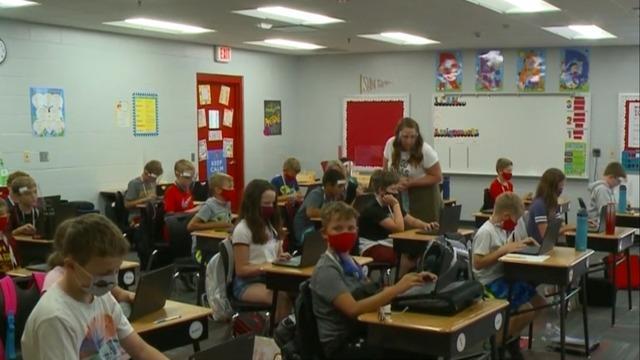
More than 68 million people, or about 20% of adults in the U.S., are now fully vaccinated against COVID-19. But with infection rates on the rise there are new questions about what it might take for the country to push past the pandemic. Michael George has the latest.

Staying vigilant: CBS News medical contributor Dr. David Agus joins "CBS This Morning: Saturday" to look at the latest with vaccines and the emergence of COVID-19 variants.
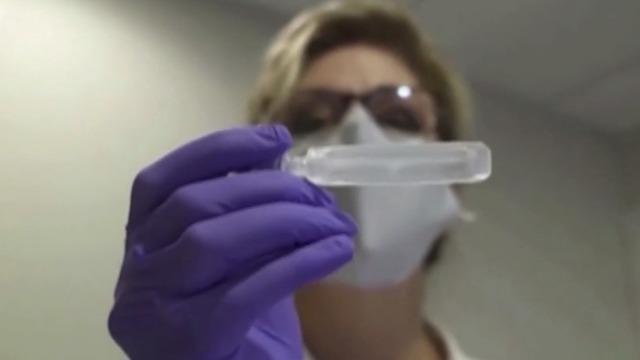
A panel of experts with the Food and Drug Administration recommended the COVID-19 vaccine from Johnson & Johnson for emergency use authorization. Nearly 4 million shots could be shipped out as soon as Sunday. The new shipment comes with fresh warnings from top health officials who say that states should not start relaxing restrictions. Michael George reports.

The FDA has approved the nation's first COVID-19 vaccine. About 3 million doses of Pfizer's vaccine are expected to be shipped as early as the weekend. Tom Hanson reports on the beginning of what will be the largest vaccination effort in American history.
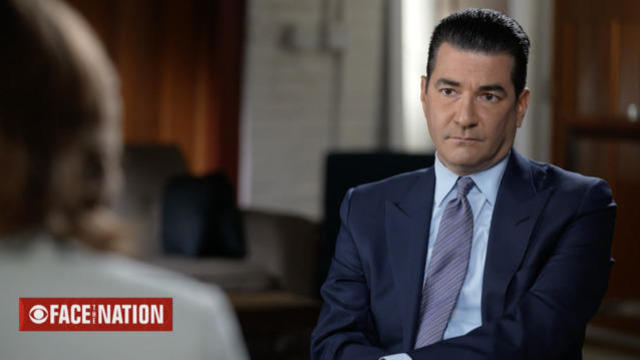
Former FDA Commissioner Scott Gottlieb tells "Face The Nation" that the CDC wasn't prepared for a crisis like COVID and "should have raised their hand and said, 'We really don't have this.'"
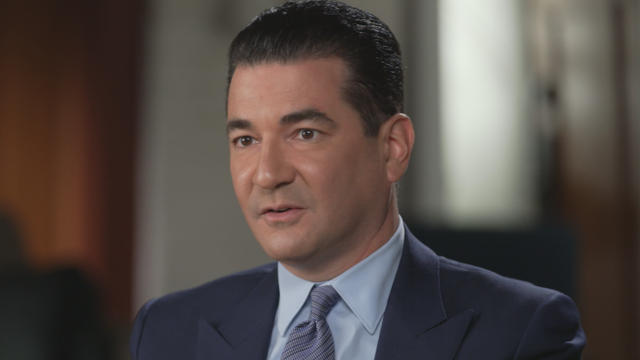
Former FDA Commissioner Dr. Scott Gottlieb told "Face the Nation" moderator Margaret Brennan the infrastructure is in place to distribute boosters but warns vaccine mandates will harden skeptics
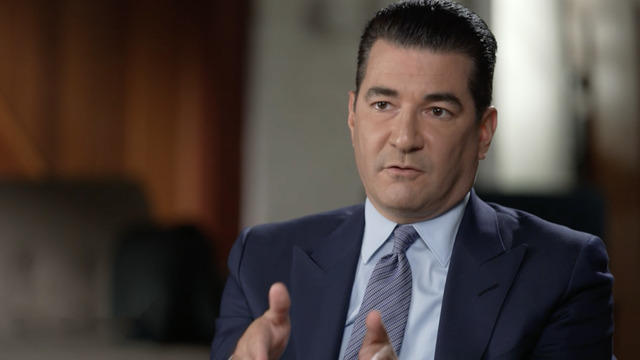
Former FDA Commissioner Scott Gottlieb tells "Face The Nation" that "there's not going to be a delay" in distributing booster shots because the Biden administration took early steps to prepare.
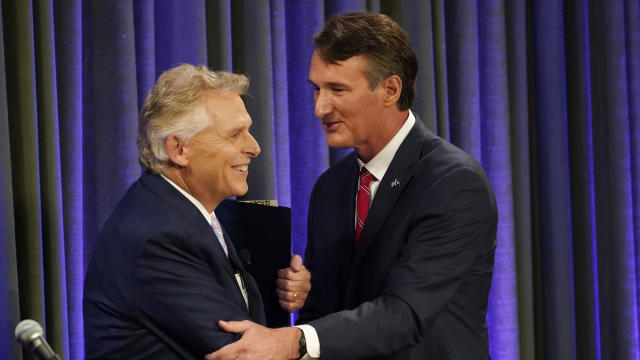
Republican candidate Glenn Youngkin and Democratic candidate and former Governor Terry McAuliffe deeply differed over their views of COVID-19 vaccination mandates and abortion laws during Thursday night's debate.
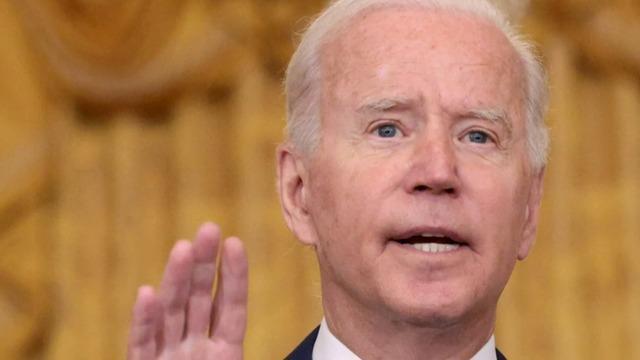
In a speech promoting his economic agenda, President Biden on Thursday criticized the wealthy and corporations for not paying their fair share of taxes. CBS News chief White House correspondent Nancy Cordes, Axios' political reporter Sarah Mucha, and The Washington Post's Capitol Hill reporter Rhonda Colvin join CBSN's "Red & Blue" anchor Elaine Quijano with the details, and the latest on the White House's effort to address rapper Nicki Minaj's questions about vaccines.

Earlier this week, rapper Nicki Minaj tweeted misinformation about the COVID-19 vaccine, prompting backlash from doctors and governments around the world. Now the White House is offering to connect her with doctors to discuss the vaccine. CBS News chief White House correspondent Nancy Cordes discusses how this situation came to be, then talks with CBSN anchor Lana Zak about President Biden's economic agenda.

Scientists are debating whether COVID-19 booster shots are necessary for those who are not immunocompromised, with some saying the vaccine is effective enough on its own. An FDA committee will vote Friday whether to approve Pfizer's booster shot. Jonathan Vigliotti reports.
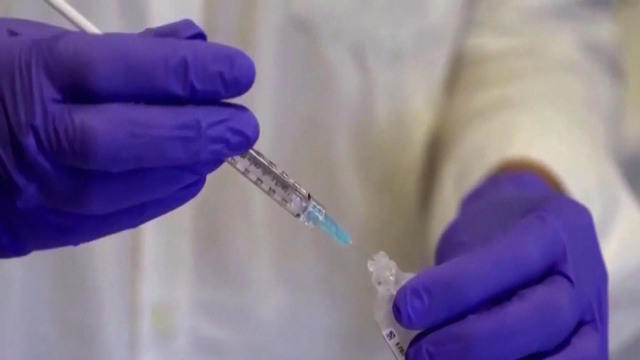
An FDA advisory committee will meet Friday to discuss and vote on COVID-19 vaccine booster shots. As Jonathan Vigliotti reports, there are conflicting studies on whether another shot is already needed. Then, Dr. Andre Campbell, a critical care physician and a professor at the University of California at San Francisco, joins CBSN's Lana Zak to explain what the science is telling us.
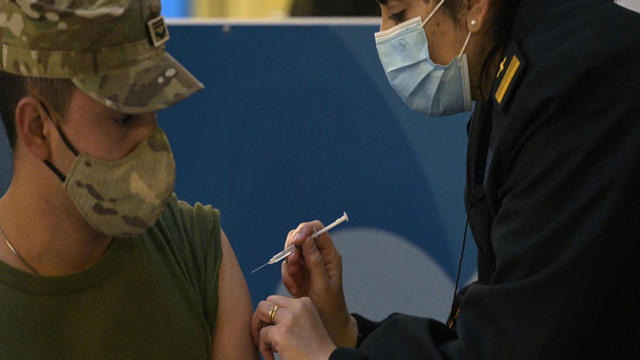
The U.S. Army announced that all active-duty service members must be fully vaccinated against COVID-19 by December 15th. In addition, all National Guard members and Army Reservists must be fully vaccinated by June 30, 2022. John Moore, professor of microbiology and immunology at the Weill Cornell Medical College, joined CBSN to discuss the nation’s latest vaccination efforts.

The nation's top infectious disease expert said the rapper should be "thinking twice" before spreading misinformation.