S&P 500, Nasdaq hit record highs as investors shrug off Iran war fears
With another round of U.S.-Iran peace talks on the horizon, investors are optimistic that the war will wind down.
Watch CBS News
With another round of U.S.-Iran peace talks on the horizon, investors are optimistic that the war will wind down.
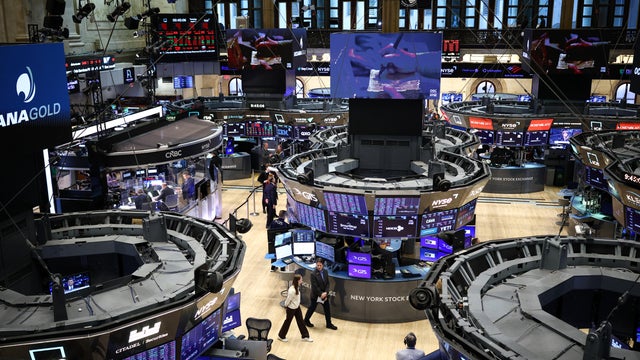
Investors cheered the announcement of a two-week ceasefire, which President Trump said is contingent on the reopening of the Strait of Hormuz.

After a sharp drop in early trading, stocks recovered part of those losses as oil prices fell back below $100.
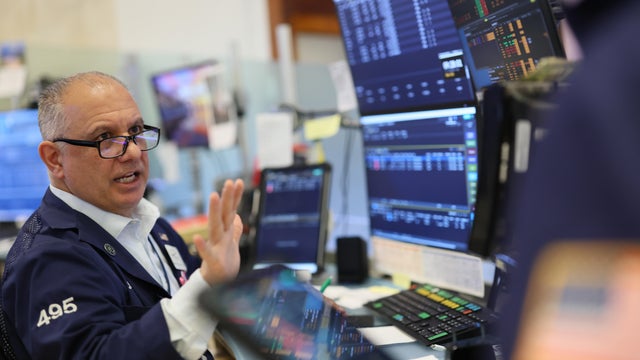
Stocks fell after new government data showed U.S. employers shed 92,000 jobs in February and as investors fret over oil prices.
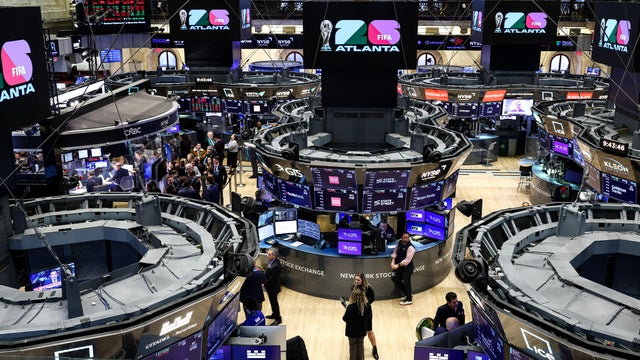
U.S. financial markets rebounded after shedding more than 1,200 points in earlier trading on Tuesday.
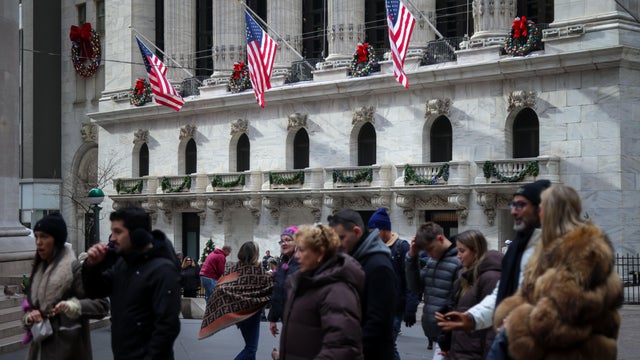
Wall Street analysts expect another strong year in stocks in 2026, propelled by continued AI sector gains and additional Fed interest-rate cuts.
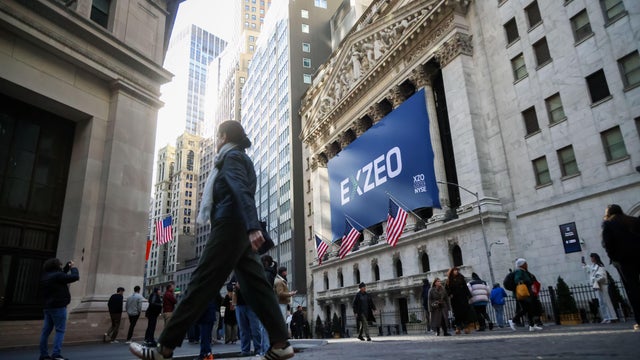
The S&P 500 closed near its Oct. 28 record, buoyed by optimism that the Federal Reserve could cut interest rates next month.
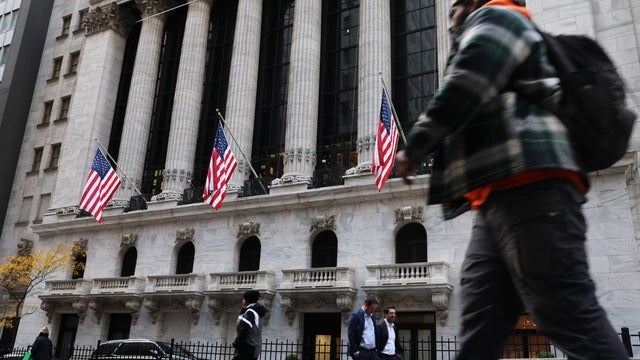
Stocks claw back earlier losses, propelled by Nvidia gains. "There's a lot of emotion involved with AI," one analyst said.

Stocks look set to extend their slide Friday amid investor jitters about the tech sector and the path of monetary policy.
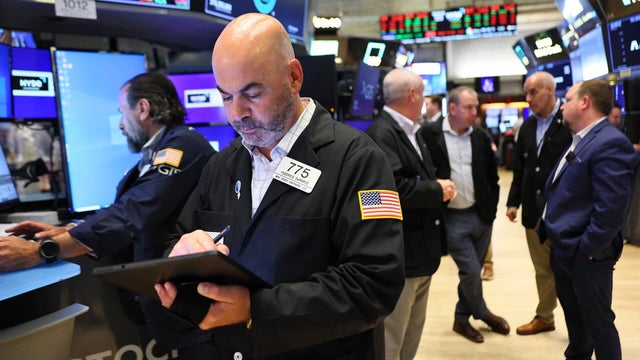
Wall Street was buoyed by investor optimism that the longest federal government shutdown in U.S. history could be nearing an end.

Investors still expect a September interest-rate cut despite President Trump move to oust Fed official Lisa Cook.
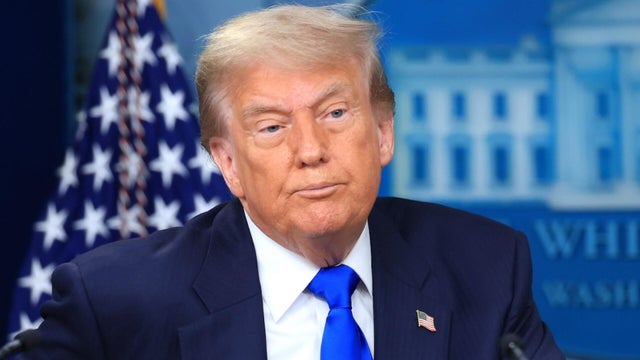
Markets fall on Monday after President Trump threatened 14 U.S. trading partners with steep tariffs starting August 1.
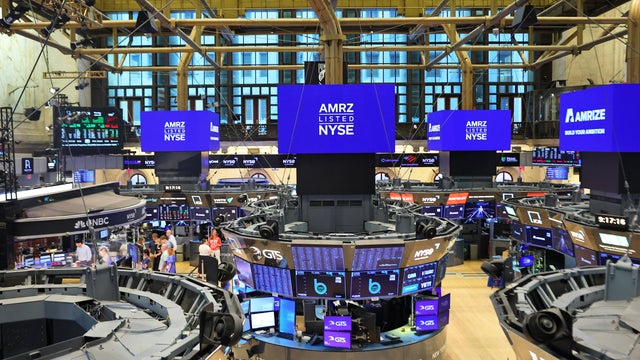
The S&P 500 and Nasdaq notched new all-time highs, buoyed by easing trade tensions and hopes for lower interest rates.
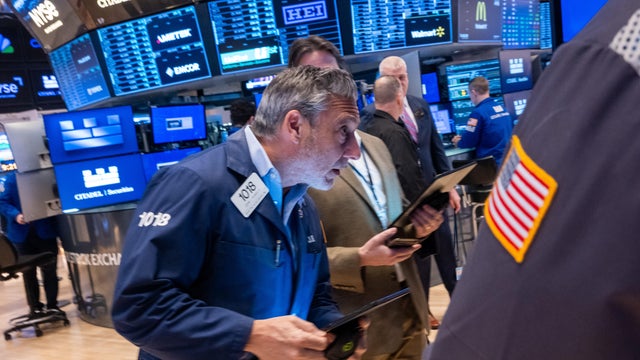
Wall Street experts break down what's behind the market rebound as S&P 500 and Nasdaq approach record highs.
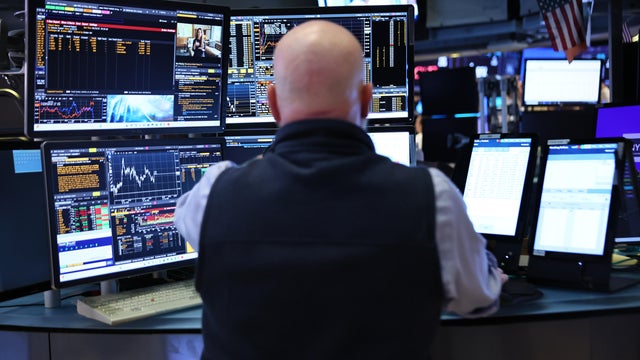
Stock market futures climbed and oil prices fell Tuesday, a sign Wall Street expects geopolitical risks to recede.
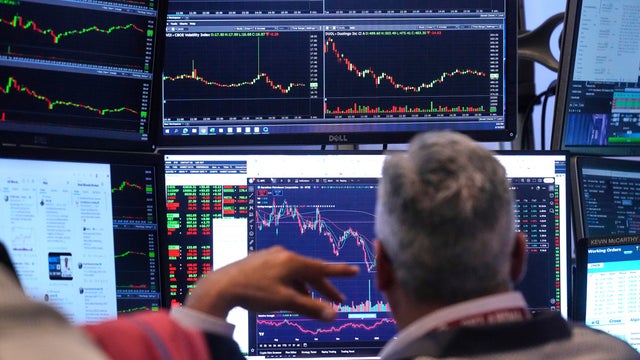
The Dow dropped more than 750 points Friday as investors fret over the risk of a widening war in the Middle East.
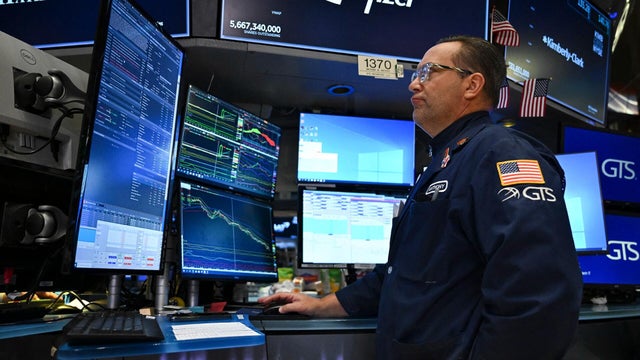
Stock futures in the U.S. dropped and global oil prices jumped following an Israeli strike targeting Iran's nuclear facilities.
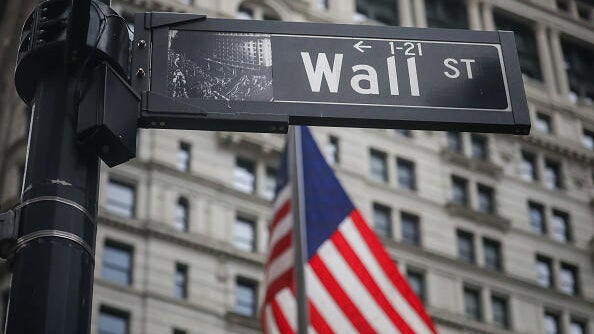
The markets closed lower Friday after President Trump threatened to impose a 25% tariff on Apple and 50% tariff on the European Union.
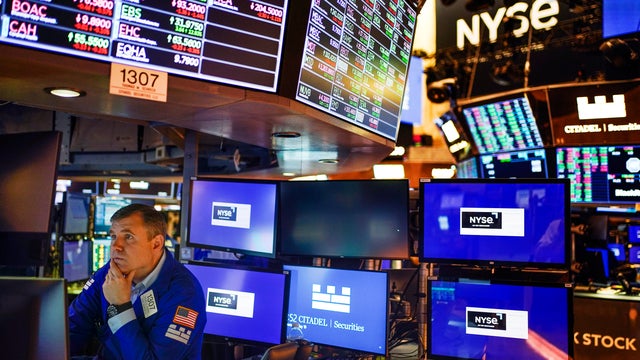
Stocks tumbled Wednesday amid signs that tariffs are weighing on consumer spending and investor concerns about the U.S. fiscal outlook.
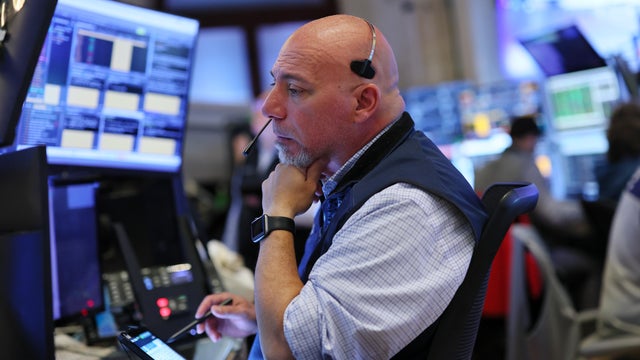
Stock futures slide as investors absorb news of Moody's U.S. credit downgrade.

Stocks closed higher Monday as the U.S. and China moved to de-escalate their trade war, with investors eager for signs of a lasting agreement.
Trading was mixed Friday as concerns about the U.S. economy offset signs that the Trump administration will de-esclate its trade war.
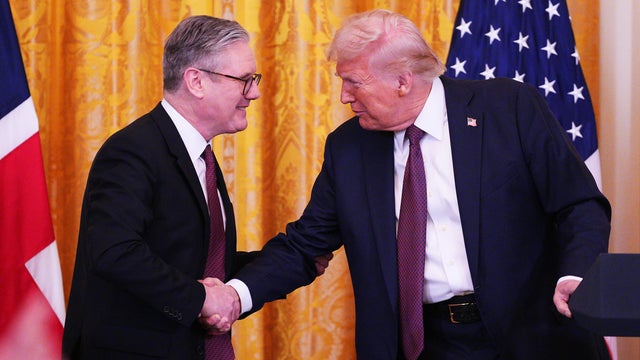
Investors hope the U.S.-U.K. trade agreement is a preiude to more deals, although Wall Street analysts say to expect more volatility.
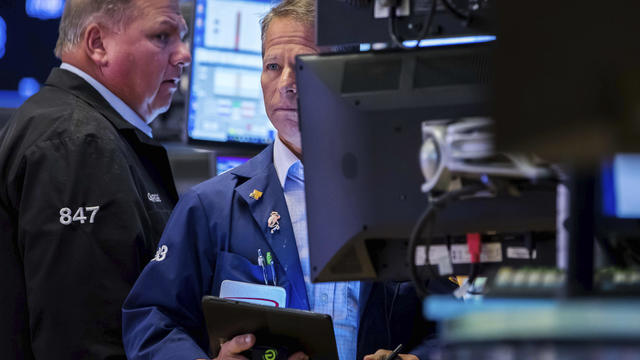
After sliding in early trade, stocks rebounded as investors shrug off data pointing to economic slowdown.
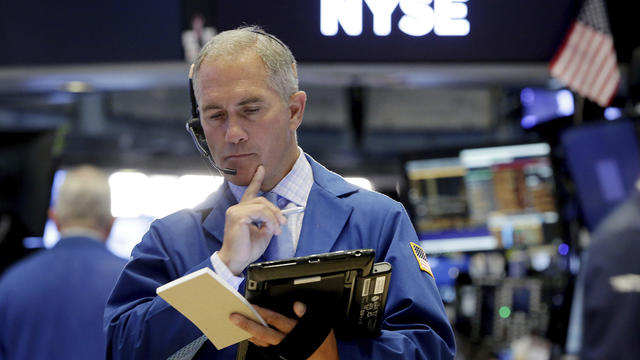
Futures were up overnight, but lost steam early Friday as equities came under renewed selling pressure.