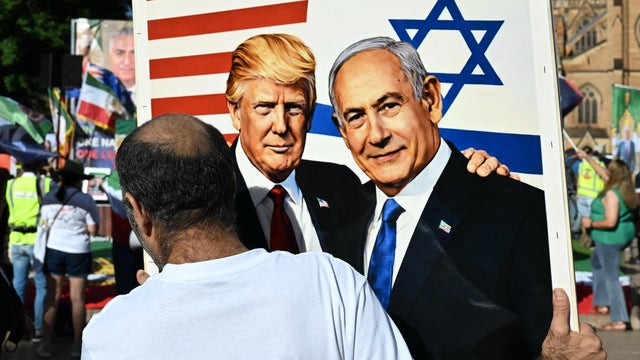
How the Iran war united, and then divided, Trump and Netanyahu
Trump has appeared during the Iran war to lose patience with Israeli Prime Minister Benjamin Netanyahu, who may now find himself "stuck."
Watch CBS News
Trump has appeared during the Iran war to lose patience with Israeli Prime Minister Benjamin Netanyahu, who may now find himself "stuck."
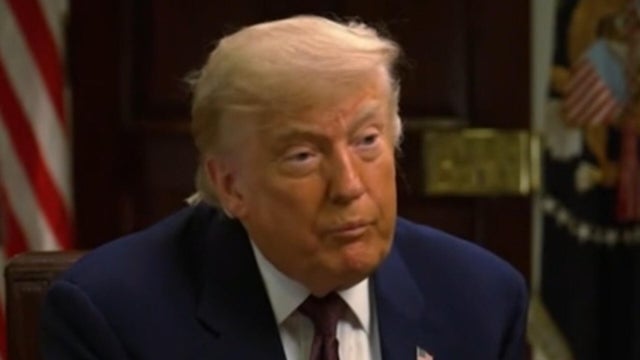
President Trump sat down with Axios reporter and CBS News contributor Marc Caputo after returning from the G7 summit, saying he sees no limits to his power amid the war in Iran and that Israel does what he says. Caputo joins "The Takeout" to unpack his conversation with the president.
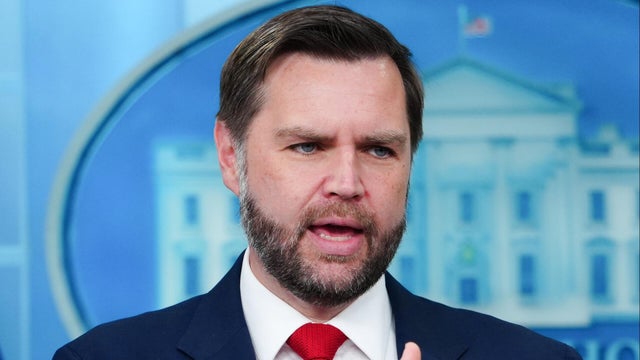
A new round of U.S.-Iran peace talks scheduled to start in Switzerland on Friday was postponed. CBS News congressional correspondent Nikole Killion reports. Then, Army Special Forces Ret. Lt. Col. Roger Carstens joins with analysis.
The Reflecting Pool in Washington, D.C., and the war with Iran have nothing to do with one another, but both have similarities worth reflecting upon. CBS News' Major Garrett explains. Then, CBS News' Imtiaz Tyab joins with the latest from Tel Aviv.
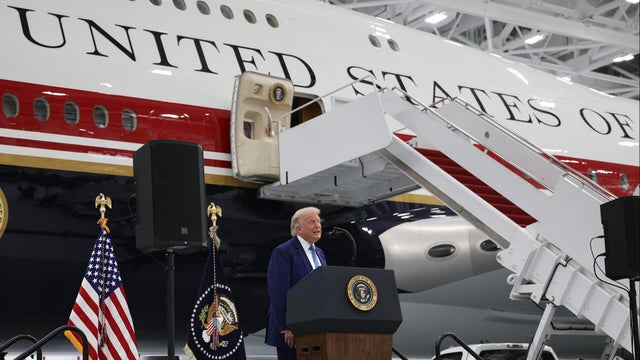
President Trump on Friday unveiled the new Air Force One, a $400 million Boeing 747-8 jet, gifted by Qatar.
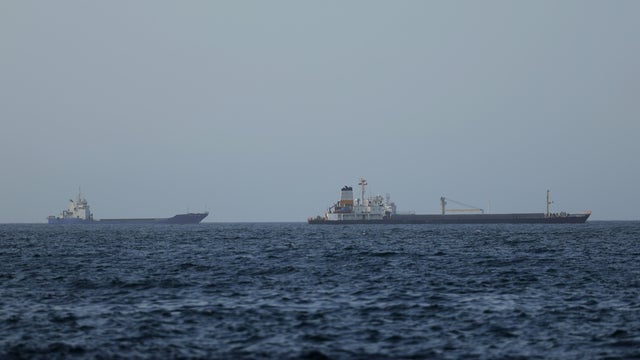
The negotiations were expected to start as soon as this weekend, but Vice President Vance's trip there was put off and Switzerland said the negotiations have been postponed.
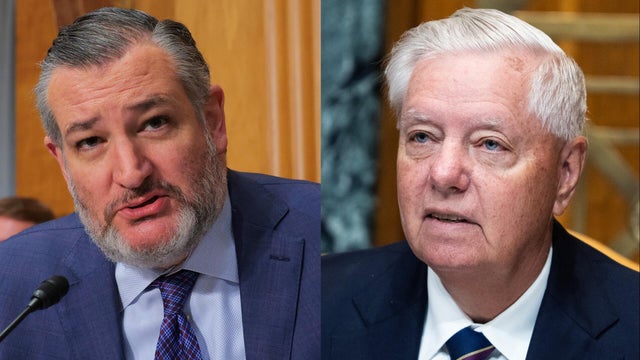
President Trump signed a memorandum of understanding with Iran on Wednesday night. The reviews are in, and Senate Republicans were either critical or cautiously hopeful that something better could be achieved. CBS News' Weijia Jiang and Nikole Killion have the latest.
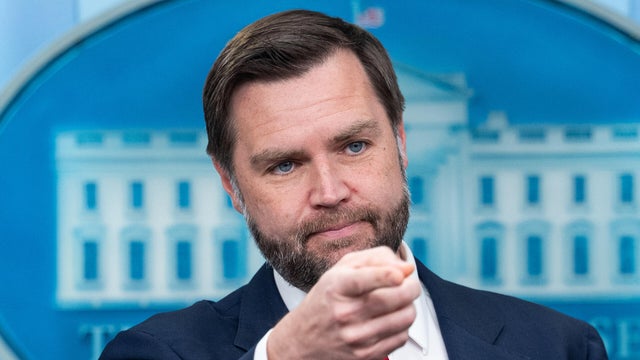
Vice President JD Vance warns Israel to abide by initial U.S.-Iran deal; Obama Presidential Center holds star-studded grand opening ceremony.
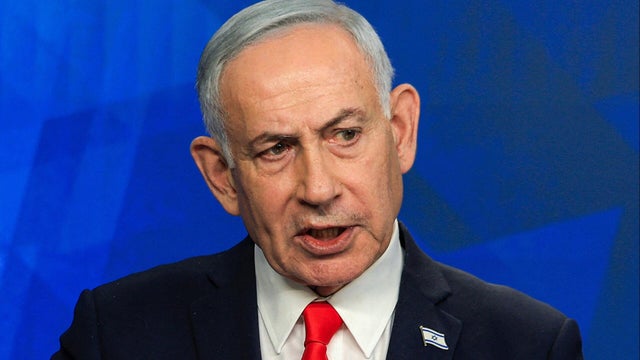
Israeli Prime Minister Benjamin Netanyahu on Thursday said the Israeli military will not leave its security zone in southern Lebanon despite the Iran memorandum of understanding. CBS News senior White House correspondent Weijia Jiang has the latest.
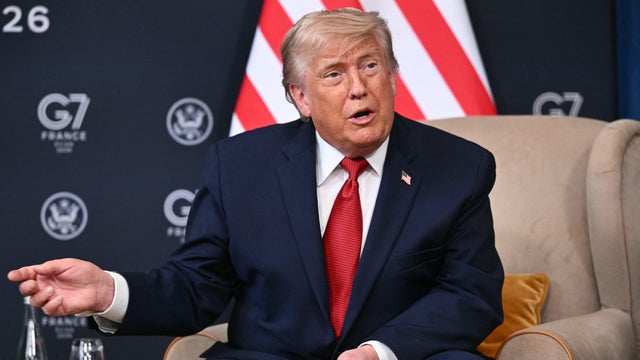
President Trump warned he could order new strikes if Iran's leaders "don't behave." The U.S. and Iran signed the memo of understanding remotely, a White House official said.
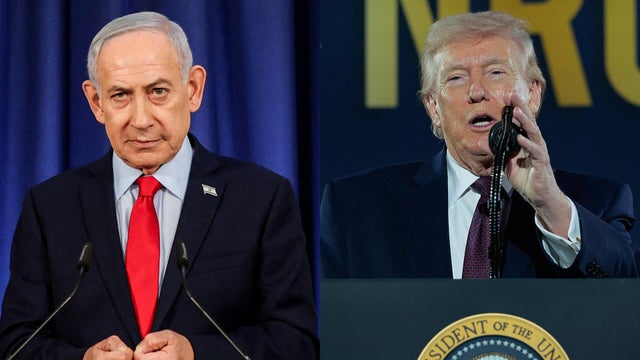
President Trump rebuked Israeli Prime Minister Netanyahu's handling of Israel's conflict with Hezbollah in Lebanon. CBS News' Imtiaz Tyab explains, and Olivia Rinaldi reports on the global reaction to the U.S.-Iran deal from the G7 summit in Paris.
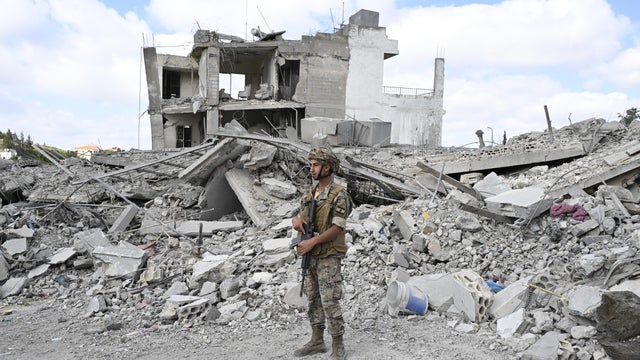
Iran's foreign minister says Israeli troops can't remain in Lebanon under the pending deal with the U.S.
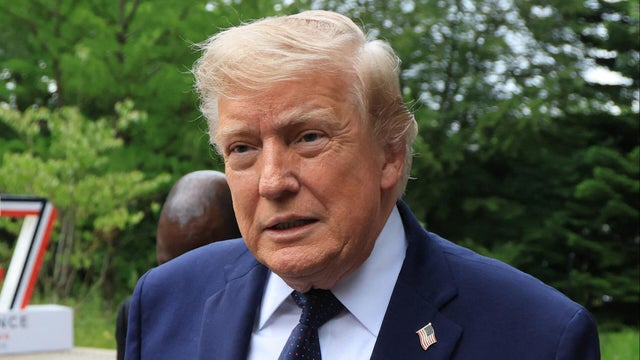
President Trump spent the second day of the G7 summit touting an initial agreement to end the war with Iran, even though no one has seen the text of it yet. CBS News chief White House correspondent Nancy Cordes and national security contributor Joe Zacks join with more.
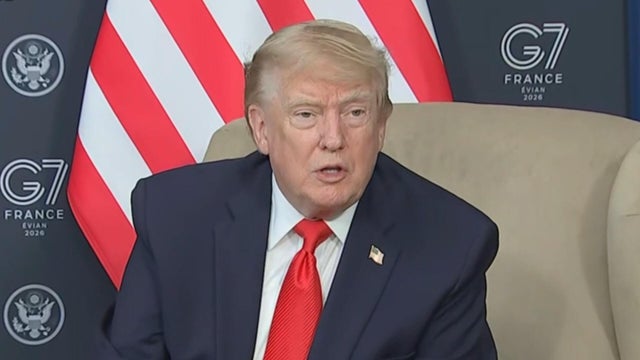
Israel is under increased scrutiny after President Trump criticized Prime Minister Benjamin Netanyahu's handling of the conflict against the Iran-backed Hezbollah militant group in Lebanon. CBS News' Imtiaz Tyab and Olivia Rinaldi report.
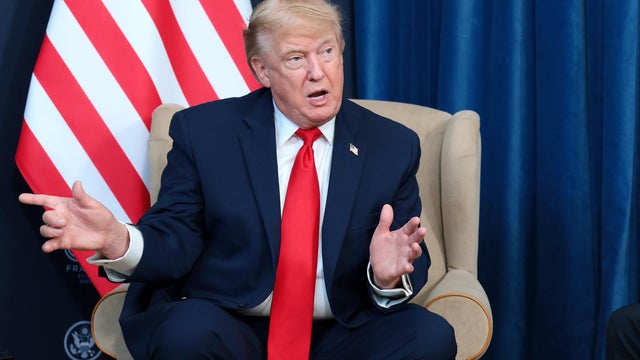
President Trump, who is in France for the G7 summit, said he didn't like that Israel attacked Lebanon two hours before the U.S. signed an agreement with Iran.
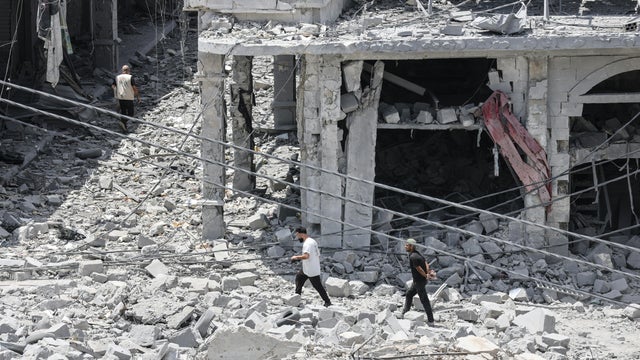
Senior U.S. officials say President Trump and Iran's top negotiator have already remotely signed a memorandum of understanding ahead of an expected signing ceremony.
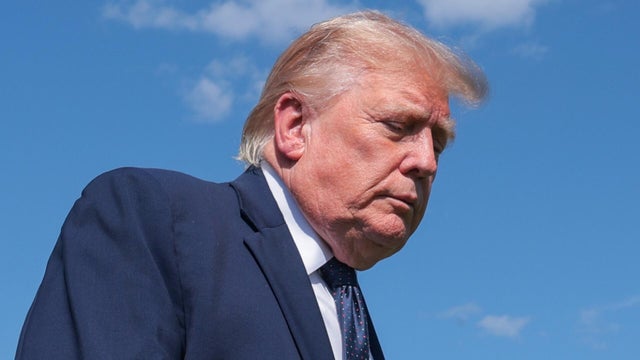
An initial agreement between the U.S. and Iran to extend their shaky ceasefire is nearing formal signing. Mona Yacoubian, director of the Middle East program at the Center for Strategic and International Studies, joins with analysis.
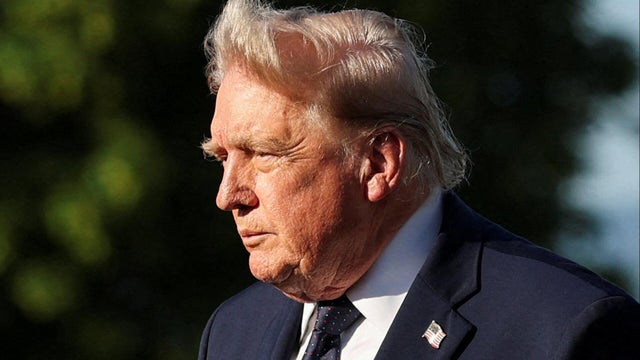
While the U.S. and Iran have signed a preliminary deal to end the war, details remain scarce as the full text has yet to be released. CBS News' Nancy Cordes reports. Then, experts Aaron David Miller and Aaron MacLean join with analysis.
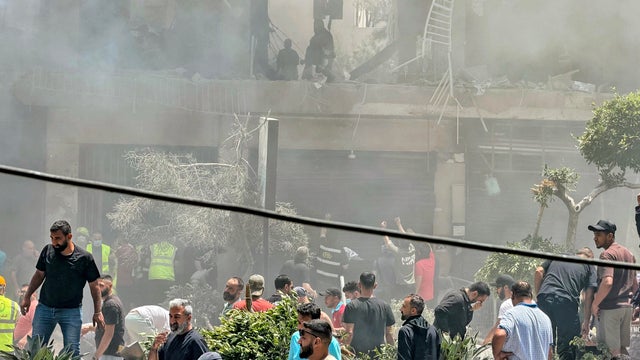
Pakistan's prime minister said Sunday the U.S. and Iran had reached a deal that includes "the immediate and permanent termination of military operations on all fronts, including in Lebanon."
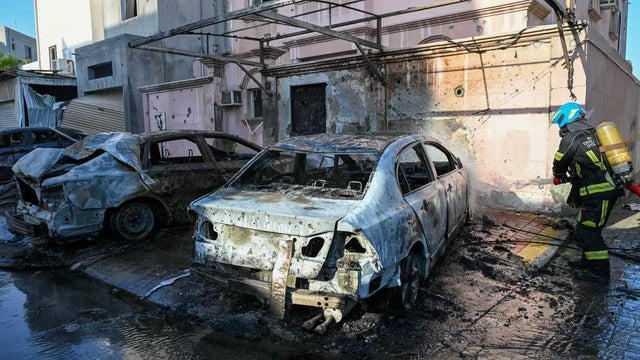
The U.S. and Iran exchanged fire again on Thursday after President Trump pledged Tehran would "pay the price" for not accepting a deal.
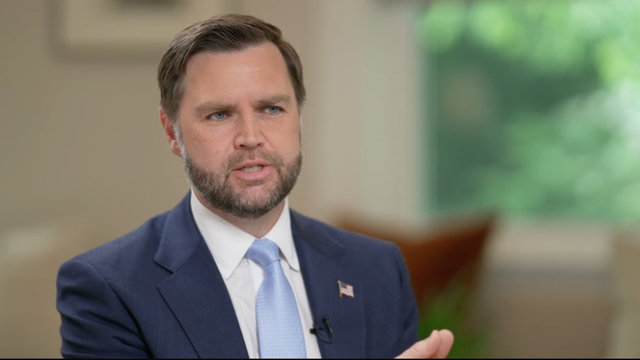
The vice president said President Trump "has been very clear about what is in our best interest" as the relationship with Israel is tested over the Iran war.
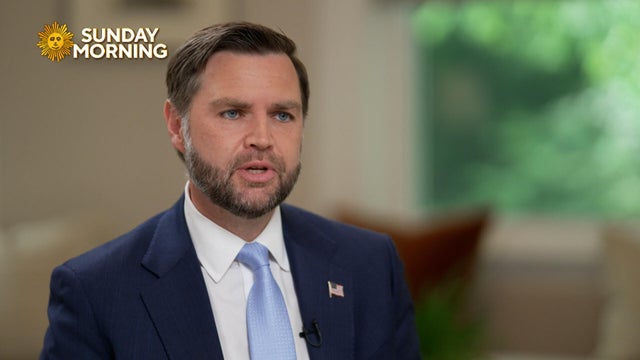
Vice President JD Vance said Israeli Prime Minister Benjamin Netanyahu has "certainly gotten some things wrong," but has ultimately "been a good partner" to the U.S. "We're gonna keep on working together. But where interests diverge, the United States is gonna pursue the best interests of our nation, and that's how it's gonna be," Vance told Robert Costa in an interview airing Sunday.
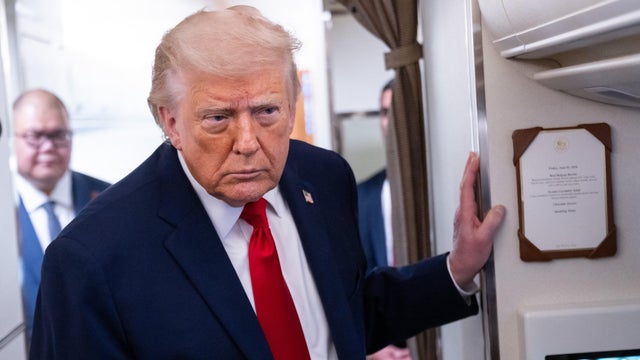
The two helicopter pilots were uninjured. After the retaliatory strikes were announced, President Trump said, "I believe the response should be very strong, very powerful."
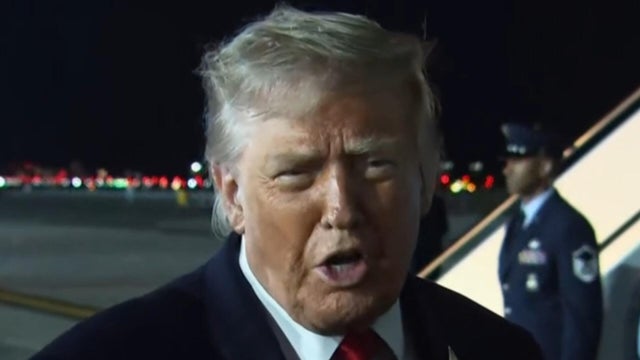
President Trump doubled down on his prediction of a U.S. deal with Iran within two to three days. CBS News chief White House correspondent Nancy Cordes has more details.
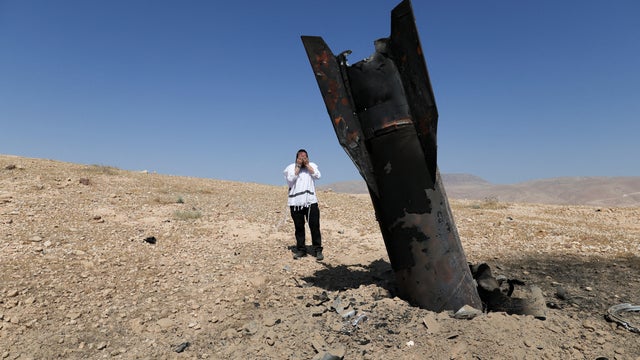
Iran and Israel declare a halt to fighting as President Trump says both are seeking an "immediate ceasefire" after a major escalation in the 101-day war.