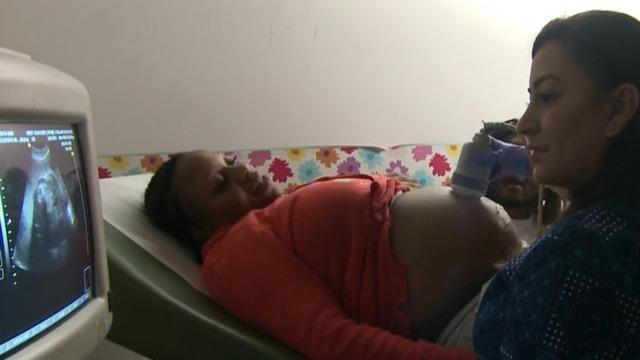
Black women at higher risk for maternal mortality
Black women have a higher risk of death during pregnancy than White women. Some lawmakers want to fix the disparity. Jericka Duncan takes a look.
Watch CBS News
Black women have a higher risk of death during pregnancy than White women. Some lawmakers want to fix the disparity. Jericka Duncan takes a look.
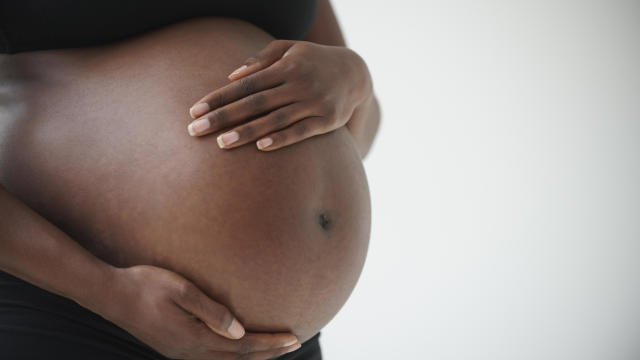
For Black women, childbirth can be a matter of life or death. Some lawmakers want to address the disparity.

The U.S. has the highest maternal death rate of any developed nation in the world.
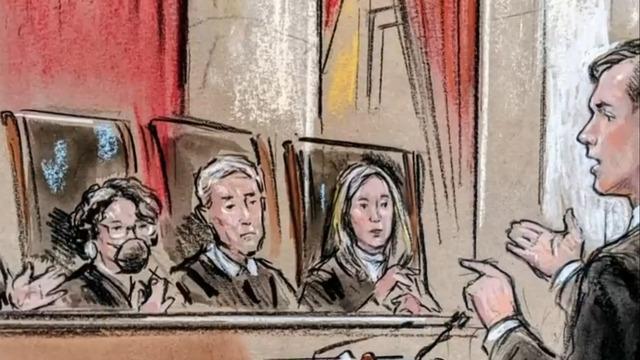
The Supreme Court on Wednesday heard arguments over a law in Mississippi than bans abortions after 15 weeks of pregnancy. The case is putting the future of Roe v. Wade in doubt. CBS News chief legal correspondent Jan Crawford reports on the latest. Then, CBS News legal contributor and Loyola Law School professor Jessica Levinson joins CBSN's Lana Zak to discuss.
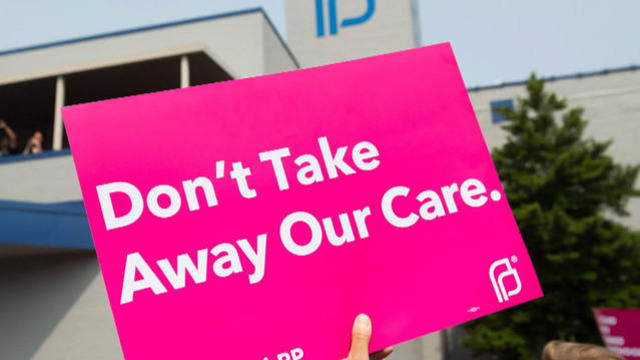
A majority of the U.S. Supreme Court is signaling support for Mississippi's abortion ban after 15 weeks of pregnancy. Ilya Shapiro, director of the Robert A. Levy Center for Constitutional Studies at the Cato Institute, joins CBSN AM to discuss.
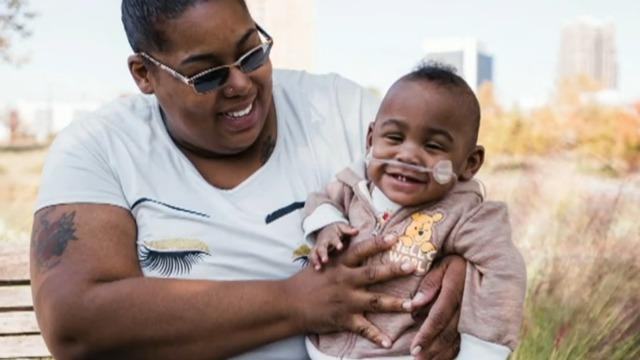
A baby born prematurely at 21 weeks and one day defied the odds after his chances of surviving were almost zero. Omar Villafranca has more on the tiny, but tough, fighter.
World leaders at the COP26 summit turned their attention to climate change and gender on Tuesday. CBS News' Cara Korte joins "CBSN AM" with more.
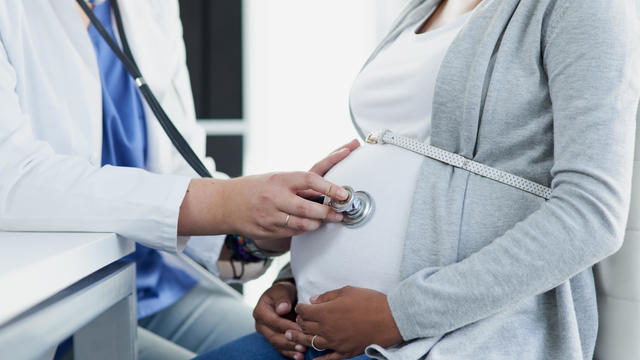
World leaders turn their attention Tuesday to climate change and gender during the global U.N. summit.
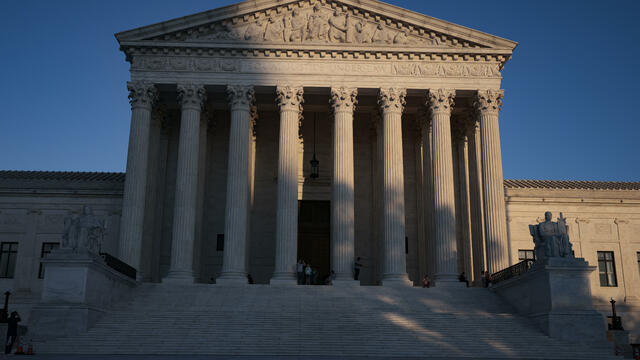
A Texas law banning most abortions after about six weeks of pregnancy — the most restrictive in the nation — was at the center of Supreme Court oral arguments Monday. Jan Crawford reports on the landmark legal battle and what it could mean for states nationwide.
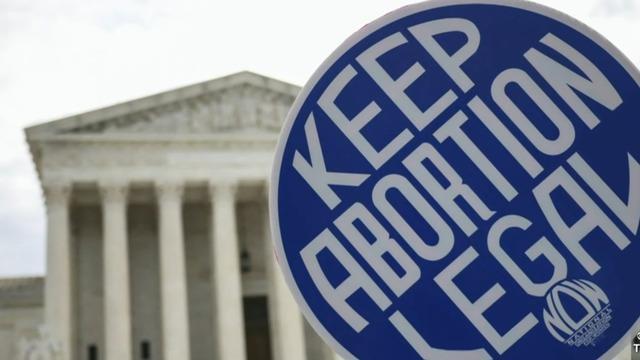
For the first time, the Supreme Court will hear lawsuits against the Texas abortion law, which makes abortions illegal as early as six weeks into a pregnancy. Linda McClain, a professor of law at Boston University, joins CBSN with more on what to expect.
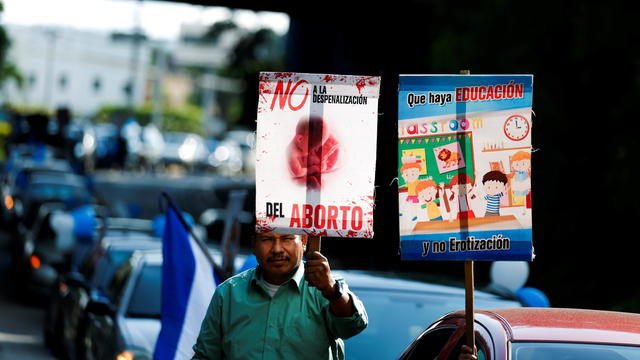
Congress members voted overwhelmingly against a petition filed by women's rights activists, who had challenged laws that make terminating pregnancy illegal in all cases.
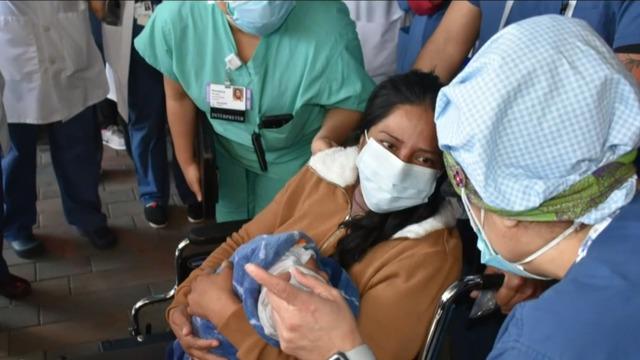
Two New York City hospitals tested more than 200 pregnant women for coronavirus when they were admitted for delivery, whether they showed symptoms or not. The results, published this week in the New England Journal of Medicine, revealed that more than 80% of the women testing positive showed no symptoms. Nikki Battiste, who is 37 weeks pregnant, speaks with one of the doctors who authored the study.
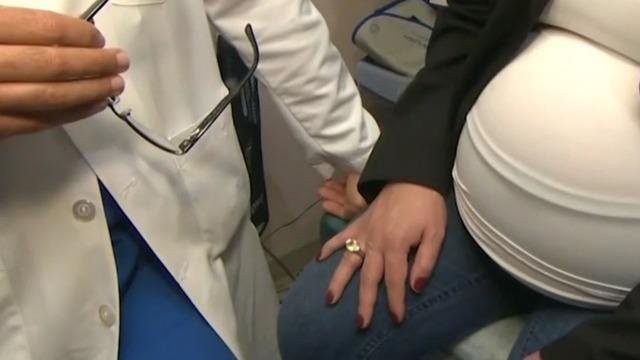
New guidelines are urging some couples to put their dreams of starting a family on hold... over concerns about the possible risks of exposure to the virus. And as Nikki Battiste reports...many hopeful moms are now worried that the delay might cost them their chance to have a child.
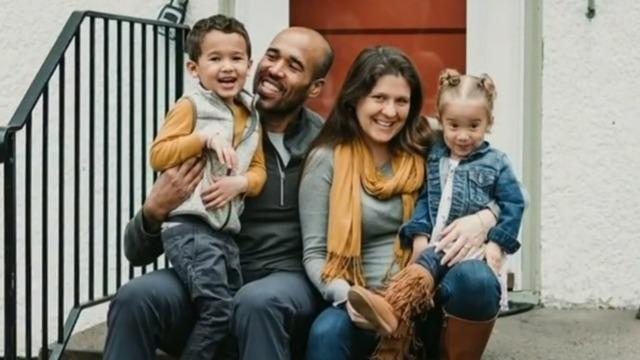
As coronavirus disrupts the livelihoods of many Americans, some people are finding new ways to showcase their talents at a time when they're needed most. Jamie Yuccas reports.
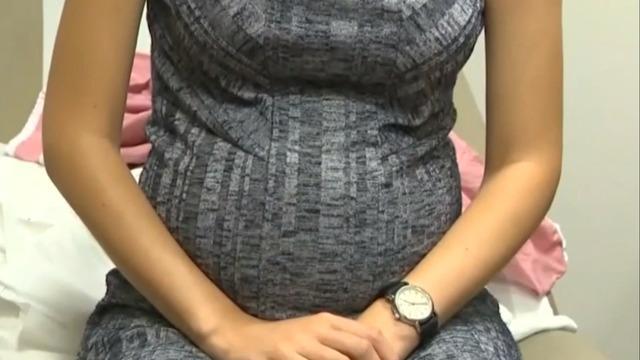
At least two private hospitals in New York City are prohibiting spouses and partners from maternity rooms to prevent the spread of coronavirus. Here's what expectant mothers should know about giving birth in this unprecedented crisis. Nikki Battiste reports.
With abortion restrictions increasing in many states, and with a conservative Supreme Court primed to decide on Roe v. Wade, access to the procedure in the future is unclear, and the return of "back-alley abortions" is feared.
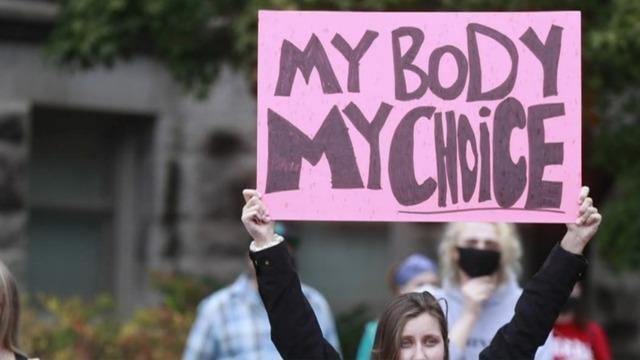
A federal judge has ordered Texas to temporarily suspend enforcement of its new abortion law. The judge's decision stems from a lawsuit filed by the Justice Department against Texas, calling the ban unconstitutional. The law prohibits abortions around the six-week mark, before many people know they are pregnant. CBS News correspondent Mireya Villarreal reports on the latest from Fort Worth. Then Harry Litman, former U.S. attorney and host of the "Talking Feds" podcast, joins CBSN's Lana Zak to discuss.
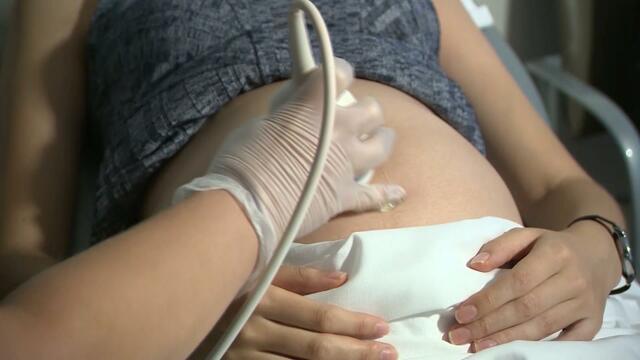
Federal health officials are appealing to pregnant women to get vaccinated against COVID-19 and they're trying to make the case that the benefits of the vaccine outweigh the known or potential risks. As Mireya Villarreal reports, the resistance to get vaccinated has brought heartache to some families.
A pandemic record of at least 20 expectant mothers died from COVID-19 in the U.S. in the month of August.
"That's quite a number of tragedies that sadly would be preventable right now," Mississippi State Health Officer Thomas Dobbs said.

"I'm going to be a dad. We're both really, really happy," Mulaney said Wednesday.
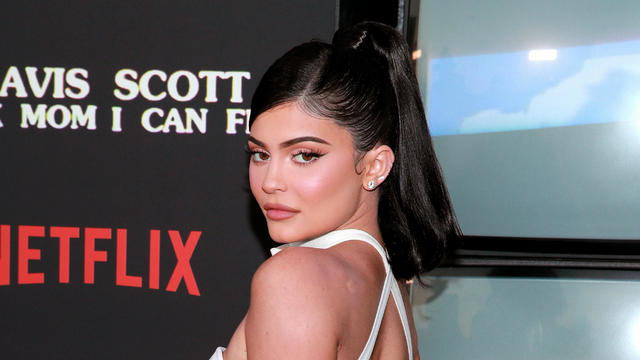
The minute and a half-long video — which is captioned with a heart emoji, a pregnant belly emoji, and @travisscott — begins with what appears to be a positive pregnancy test.
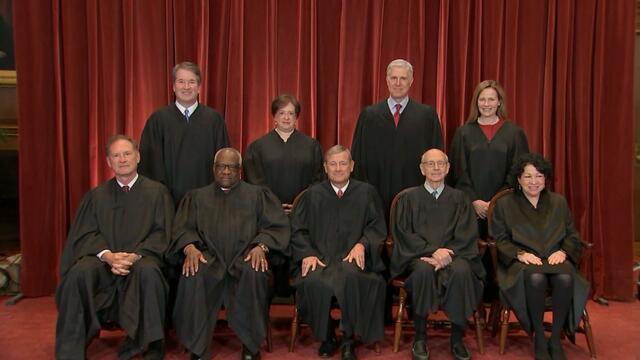
The U.S. Supreme Court denied a request to block a Texas law outlawing abortion after six weeks of pregnancy, allowing the nation's most restrictive measures to remain in effect. Correspondent Ben Tracy has the latest.

A new law in Texas bans abortion once a fetal heartbeat is detected, usually around six weeks, which is before many women know they are pregnant. Ben Tracy has more.
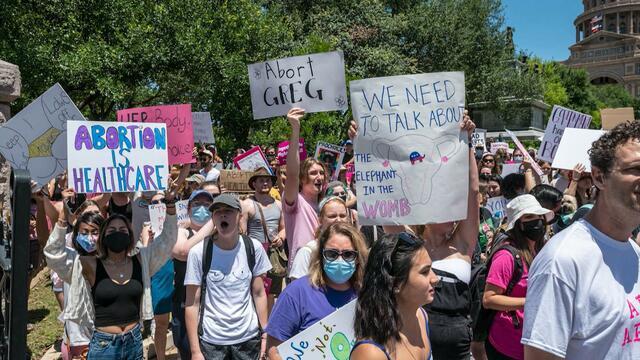
A Texas law banning abortions after about six weeks of pregnancy went into effect early Wednesday after the U.S. Supreme Court declined to act on an emergency request to block it. It came as the state's Republican governor prepares to sign a controversial voting restrictions bill into law. Nikole Killion has the details.