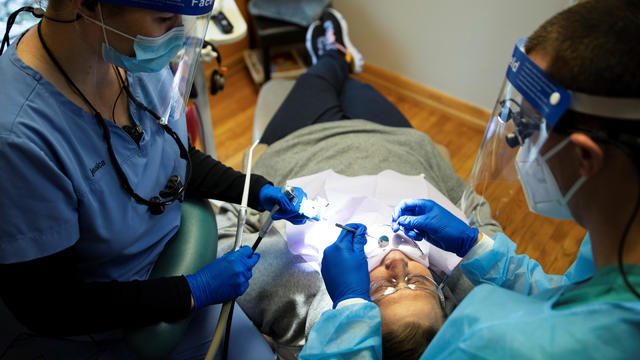
The next COVID-19 frontier? Your dentist's office
Patients may find fewer chairs — and no magazines — in waiting rooms, plus air filters that eliminate patient "spray."
Watch CBS News
Patients may find fewer chairs — and no magazines — in waiting rooms, plus air filters that eliminate patient "spray."
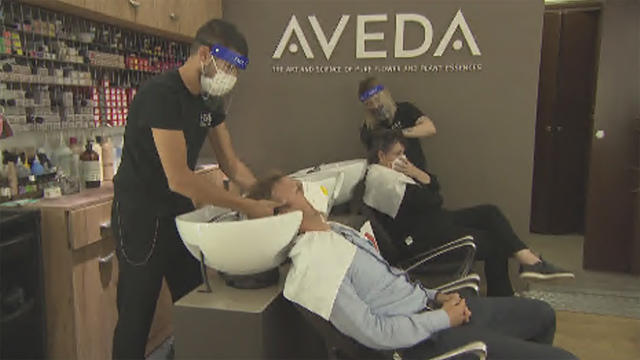
Pandemic lockdowns have shuttered barber shops and salons around the world, affecting millions of people - including some rather shaggy CBS News staff. For Chris Livesay in Rome, at least, the wait is over.

Tampa police say he coughed on and spit at them and claimed he was infected
The U.S. Census Bureau is rolling out its $1.2 million experiment, called the Household Pulse Survey. The questionnaire is designed to help the bureau measure the impact the pandemic is having on American households. Hansi Lo Wang, a national correspondent for NPR, joined CBSN to discuss the effort.

President Trump says governors are responsible for how and when to lift their coronavirus lockdowns. But according to CBS News legal analyst Kim Wehle, the federal government has the authority to do a national quarantine -- and not only is one constitutional, but is necessary for public health. She joins CBSN's Reena Ninan with her analysis.
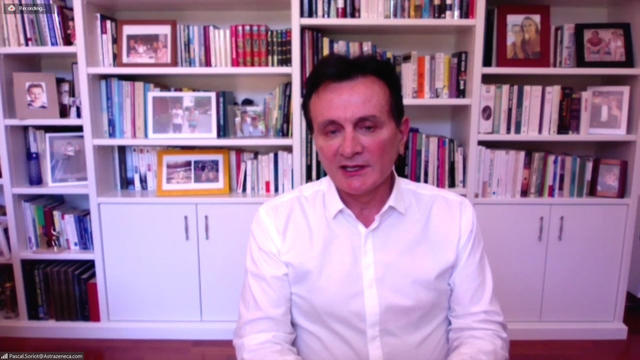
Pascal Soriot, CEO of the pharmaceutical company AstraZeneca, says he thinks "there’s a good chance" the coronavirus vaccine they're working on with the University of Oxford will be successful. He spoke with CBS News' Charlie D'Agata about efforts to get a vaccine to the public in record time.

For our series "A More Perfect Union," Chip Reid shares the story of a husband-wife duo who started a Virginia non-profit to help local small businesses stay afloat during the coronavirus pandemic. Now, their model is being copied coast to coast.
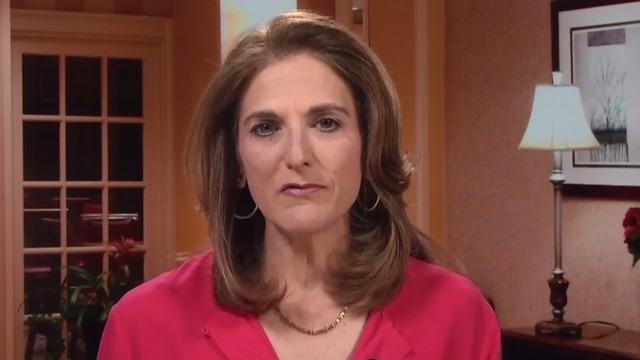
More than 38 million Americans filed for unemployment over the last nine weeks. CBS News business analyst Jill Schlesinger joins "CBS This Morning" to discuss what this means for overall unemployment and new projections about how long the financial fallout could last.
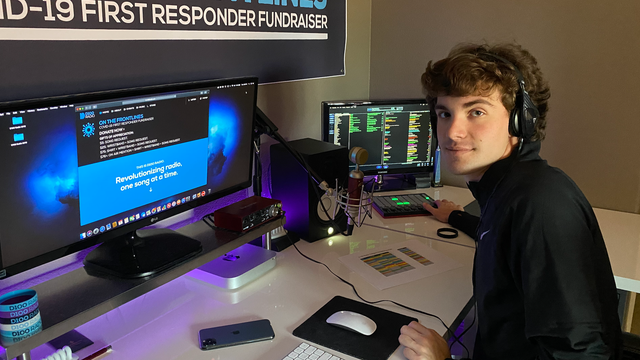
"It's been nonstop for the past six weeks, from morning to night, doing schoolwork in the morning and getting into the fundraiser in the afternoon," the teen said. "But overall I wouldn't have it any other way."
CNET's Senior Managing Editor, Dan Ackerman, discusses virtual games and activities to try with friends and family as many continue to socially distance. He also provides tech suggestions for improving video chats.
A possible COVID-19 vaccine is still months away, but now there is new hope that antibodies could provide immunity against the disease. Dr. Neeta Ogden joined CBSN to discuss two new studies that looked at how monkeys with coronavirus reacted to being re-infected and what that could mean for human immunity.

No major coronavirus spikes after 22 European nations let some kids back into classes, but anxiety is still there, and nothing is like it used to be.
Officials are investigating why two dams in Michigan failed and caused historic flooding and forced thousands of residents to evacuate. Governor Gretchen Whitmer joins "CBS This Morning" to discuss her state's response to the disaster during the coronavirus pandemic.
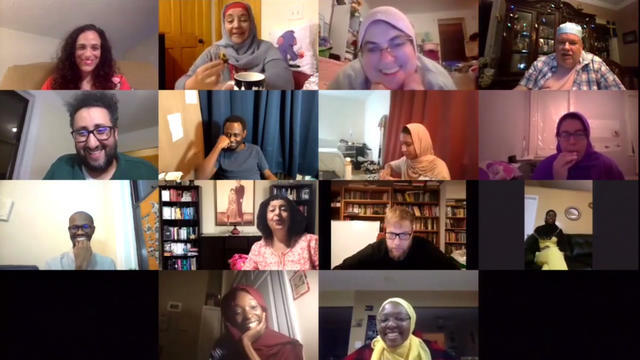
The holy month of Ramadan is known for bringing people together. Due to the coronavirus, this year's Ramadan celebrations have looked a little bit different. "CBS This Morning" hears from five Muslim Americans who show what their Ramadan has been like.

A new survey found the majority of minority-owned small businesses were denied or have yet to receive stimulus loans. African American and Latino owners are struggling to survive without federal assistance. Ed O'Keefe reports.
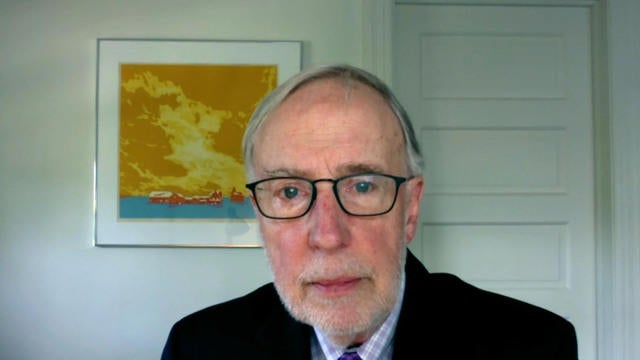
As the U.S. death toll climbs over 92,000, the coronavirus pandemic has laid bare many of the weaknesses of the federal government. Dan Balz, chief correspondent for The Washington Post, recently wrote an in-depth article examining those weaknesses. He joined CBSN to discuss the ongoing crisis.
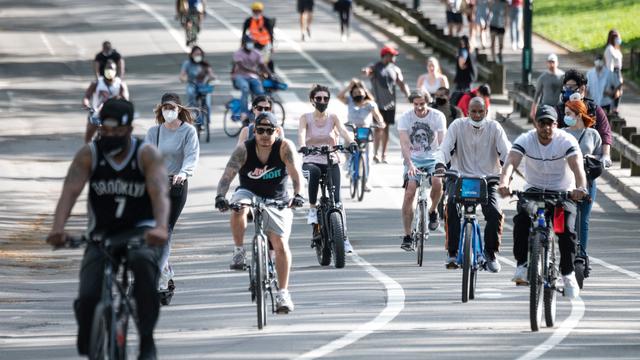
A recent survey done by Trek Bicycle Corporation finds that 21% of adults with bicycles plan to ride more during the pandemic, and 50% say they'll keep riding after the pandemic ends.
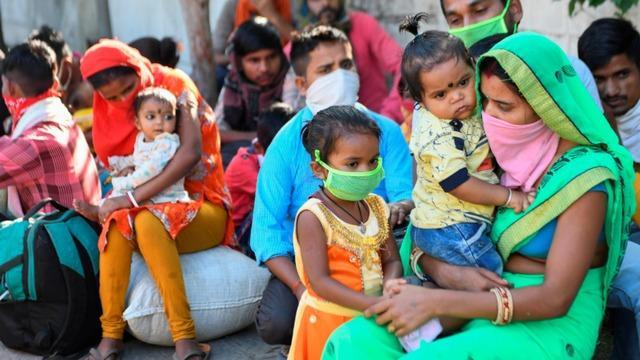
India is racing to respond to the coronavirus crisis as a cyclone slams the coastal region. Jeffrey Gettleman is the South Asia bureau chief for The New York Times, and he joins CBSN to discuss the latest developments.

The transit system in New York City is testing out more than 150 special ultraviolet lamps to eliminate the coronavirus on subway trains and buses during their overnight cleanings.
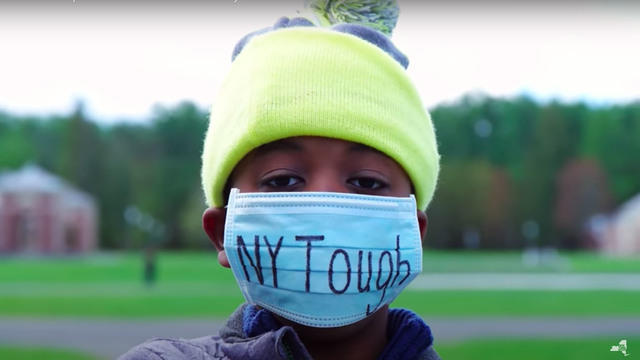
New York Governor Andrew Cuomo announced a competition for homemade PSAs on the importance of wearing face masks to combat the coronavirus – these are the five finalists.
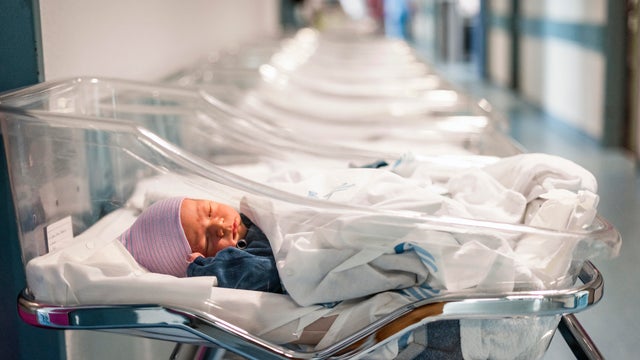
Many experts expect the coronavirus pandemic to drive down rates even further.
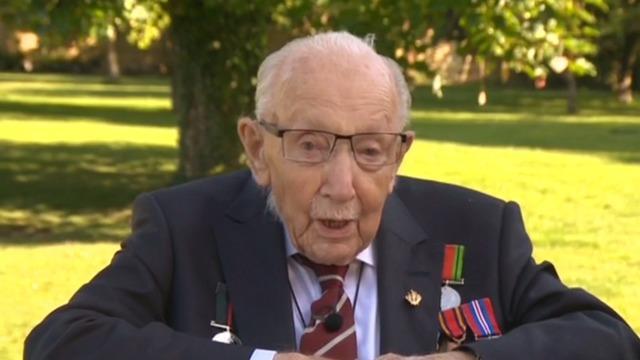
Colonel Tom Moore, a WWII veteran who raised more than $40 million for Britain's health care service, is to be knighted by Queen Elizabeth after being nominated by Prime Minister Boris Johnson. Moore raised the record amount by completing 100 laps of his garden during the coronavirus lockdown. Charlie D'Agata reports.
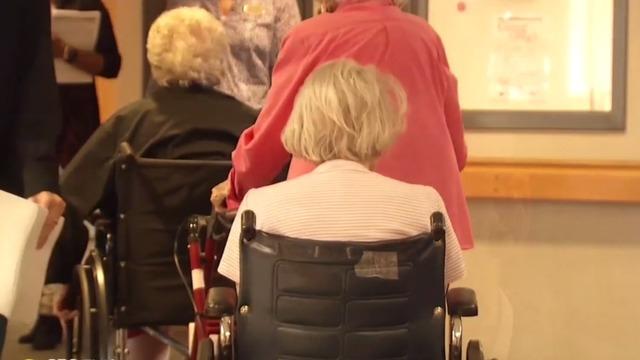
A third of U.S. coronavirus deaths are connected to nursing homes. The agency regulating them struggles with difficult choices. Jonathan Vigliotti reports.
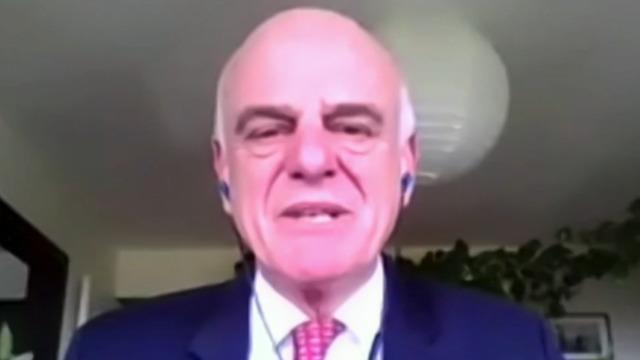
Dr. David Nabarro, a special envoy of the WHO Director General on COVID-19 and a medical doctor with a long history of battling global viruses, joins CBS News' Pamela Falk to say it's "bizarre" that the U.S. would threaten to defund the health organization during the coronavirus pandemic.

Doctors have many unanswered questions about how the coronavirus attacks the body. One potential treatment focuses on drugs that help regulate a patient's immune response to the virus, stopping it from causing the inflammation that can result in devastating consequences. CBS News senior medical correspondent Dr. Tara Narula looks at one arthritis drug and speaks to a patient who took it.