Face The Nation: Gottlieb, Woods, Salvanto
Missed the second half of the show? The latest on coronavirus testing, school reopening, the 2020 presidential election and the nations tribute to the late Rep. John Lewis
Watch CBS News
Missed the second half of the show? The latest on coronavirus testing, school reopening, the 2020 presidential election and the nations tribute to the late Rep. John Lewis
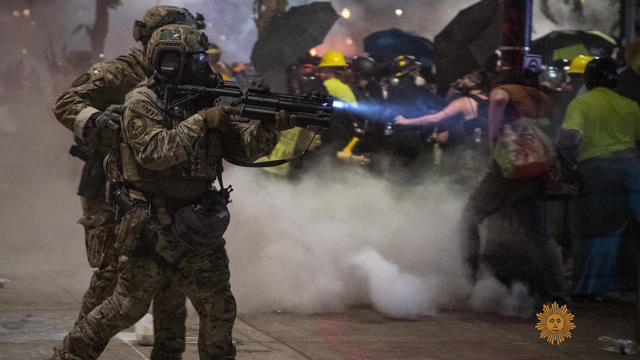
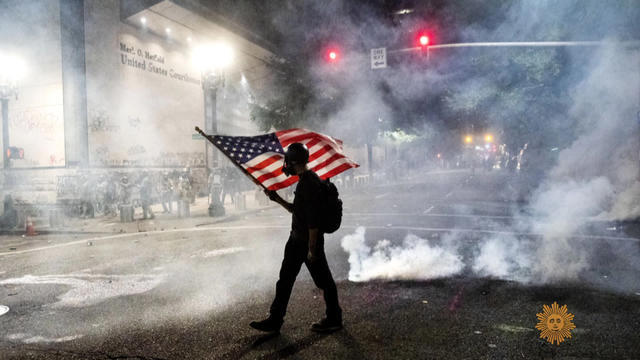
In addition to tear gas, there has been more than a whiff of politics in the air as armed men in camouflage have filled the streets of Portland, Oregon, setting off a pandemic of confusion and outrage. CBS News national security correspondent David Martin looks into the Department of Homeland Security's Border Patrol agents (who usually go after drug smugglers along the southwest border), who have been confronting and detaining protesters. Current and former government officials discuss what some decry as a "rogue police force."
1968 was a year that saw America tested over issues of race and war. In 2020, the country is being tested over issues of race and the pandemic. "Sunday Morning" senior contributor Ted Koppel talks with noted political figures and writers — former Secretary of State Colin Powell, Senator Tom Daschle, and Pulitzer Prize-winning writers Kathleen Parker and Anna Quindlen — about government dysfunction; the dangers of the Twitterverse; and the leadership needed to unite these United States.
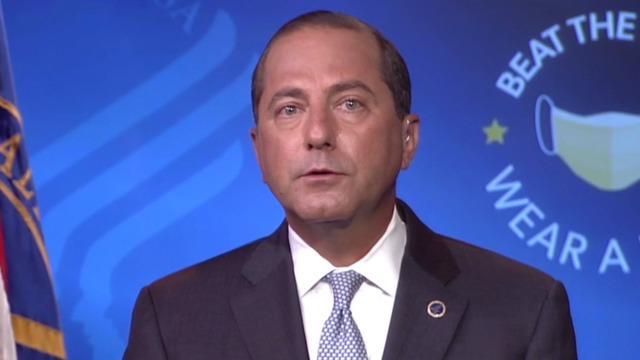
Health and Human Services Secretary Alex Azar says the administration stands firm in supporting a return to in-person learning this fall in the U.S.
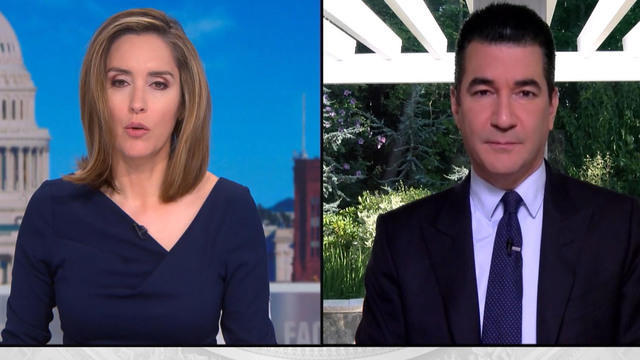
Today on "Face the Nation," 100 days from the election, the coronavirus surges in the south and west, with hospitalizations and deaths on the rise. Unemployment claims spike for the first time in nearly four months, and President Trump looks for a reset.
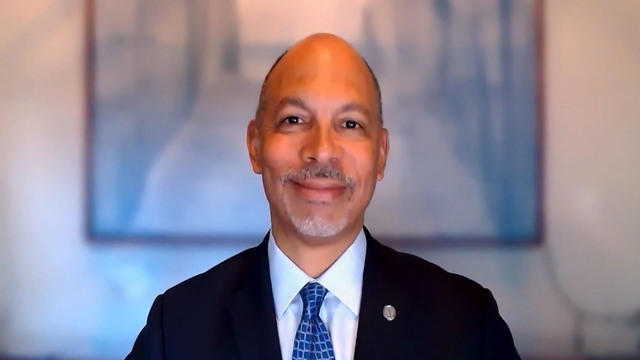
Atrium Health CEO Eugene Woods testified before the Senate earlier this week, telling lawmakers "we don't have enough reagents" to process coronavirus tests
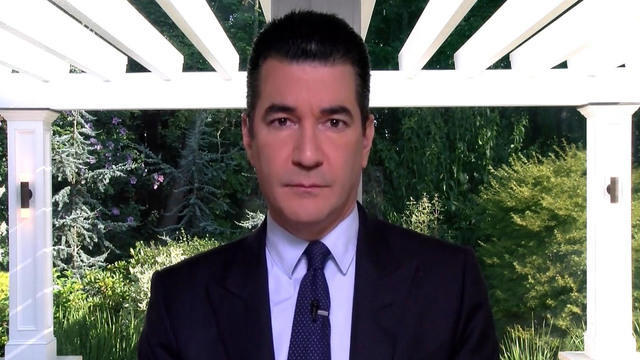
The former FDA commissioner suggests that testing delays need to be resolved before widespread reopenings of America's schools.
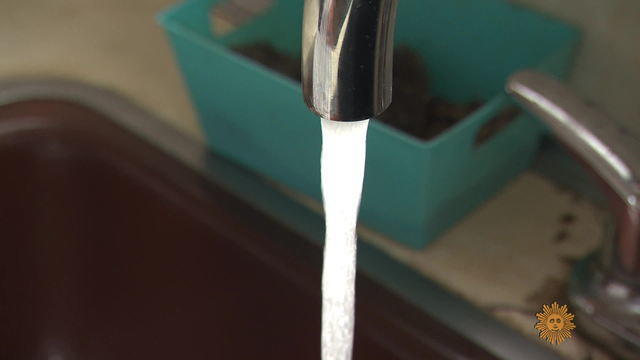
The simple act of hand-washing became the first line of defense against the spread of the coronavirus. But millions of Americans have had to live through this pandemic with no safe running water, or even plumbing, in their homes. Correspondent Lee Cowan examines the lives of 21st century Americans with no easy access to water.
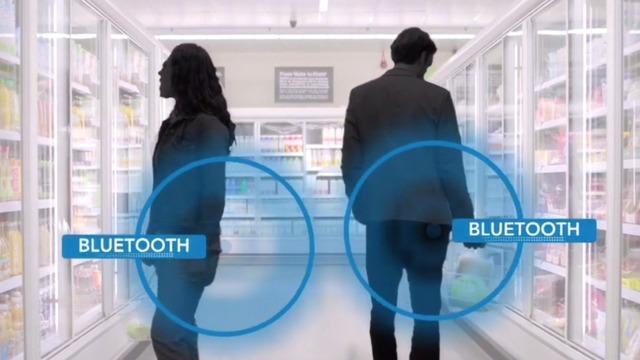
Contact-tracing apps are already being used in Italy, Germany, and around Europe to help track the coronavirus. Through a phone's BlueTooth signal, the apps can contact users who encountered someone who's tested positive for coronavirus. Chris Livesay reports.
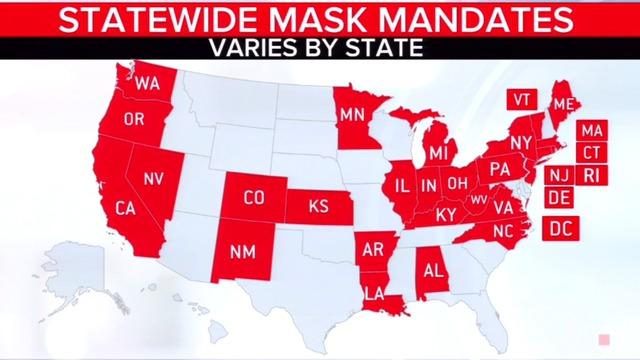
CBS News Medical Contributor Dr. David Agus discusses the surging coronavirus outbreak in the United States. According to Agus, the safety of sending kids back to school depends on where you call home.
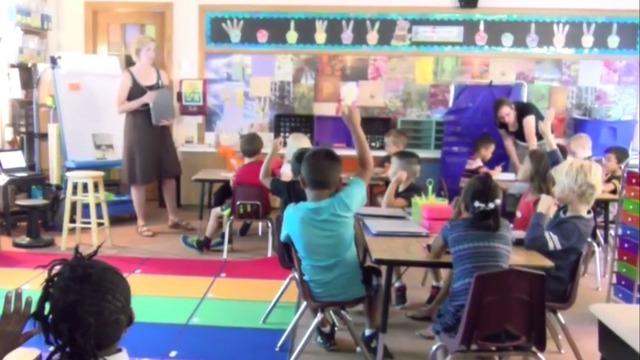
Health officials say the coronavirus is now spreading faster than at any point since the crisis began. As some schools reopen, parents across the country are faced with the difficult decision of whether or not it's safe to send their children back to school.
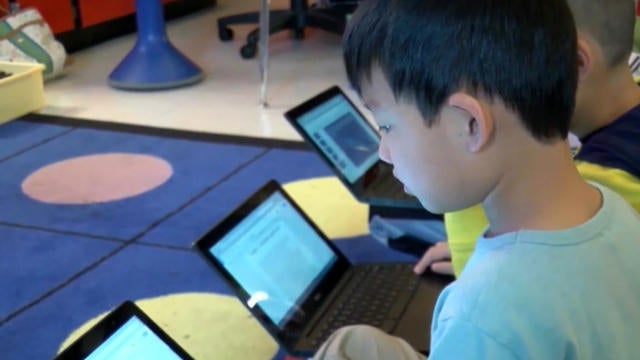
With the coronavirus pandemic leaving some schools districts uncertain whether they will return to in-person learning this fall, parents are looking at other options. Many are turning to new forms of homeschooling called "micro schooling" and "pandemic pods." Emily Oster, a professor of economics and public policy at Brown University, joins CBSN's Lana Zak to discuss the growing trend.

Morehouse College has made the decision to hold classes remotely this fall because of the coronavirus pandemic. College president David Thomas joined CBSN to discuss the decision.
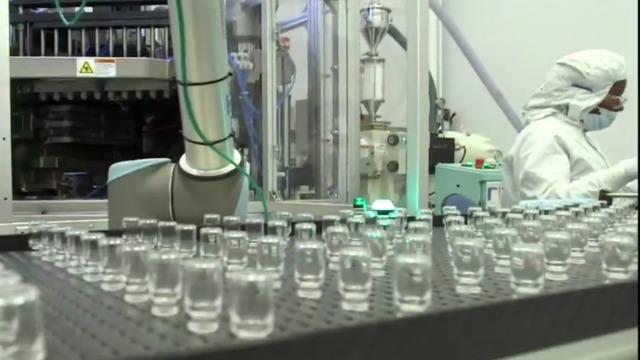
As scientists around the world race to develop a COVID-19 vaccine, there's also a scramble to make the millions of vials that would be necessary to deliver it. CBS's Weija Jiang takes us inside an Alabama factory that is going all out to meet a vital need, as part of the series Racing to a Cure.

Live music is making a comeback in parking lots as promoters experiment with drive-in concerts. Mark Strassmann reports.

Atlanta Mayor Keisha Lance Bottoms joins "CBS This Morning" to discuss Georgia Governor Brian Kemp's lawsuit against her and the Atlanta City Council over the city's new mask mandate and rollback to Phase 1.
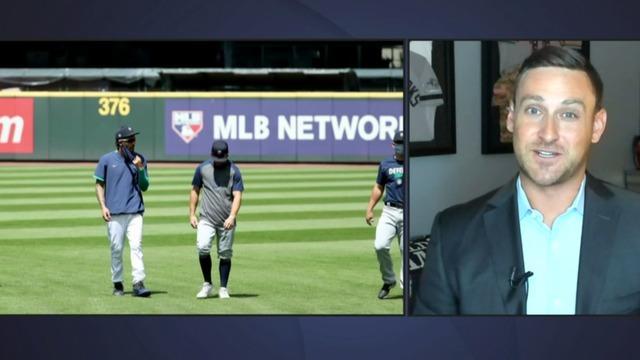
Major League Baseball is back in action after a three-month delay due to the coronavirus pandemic. CBS Sports HQ's Will Middlebrooks joins CBSN to break down the changes we'll see this season and give his bold predictions.
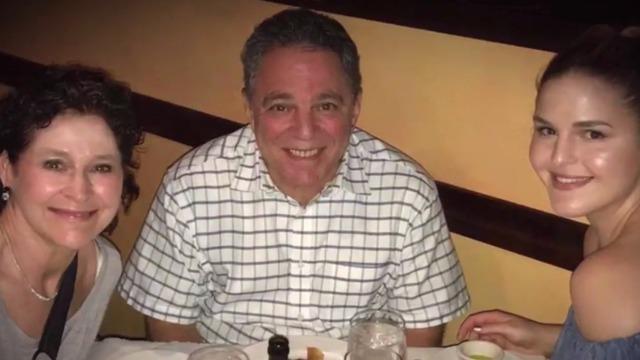
64-year-old Larry Kelly was admitted to a hospital in March when his health rapidly declined after testing positive for the coronavirus. At one point, his family was called to the hospital to say goodbye. "Miracle Larry" Kelly is now back at home with his family and on the road to recovery after more than 120 days in the hospital. Dr. Tara Narula reports.

Much like the airlines, Amtrak is feeling the effects of an unprecedented drop in demand. The company is facing a reduction in service, furloughs and some criticism from Congress. Amtrak's new CEO started just as the coronavirus cases began to soar in March. He spoke to CBS transportation correspondent Kris Van Cleave.
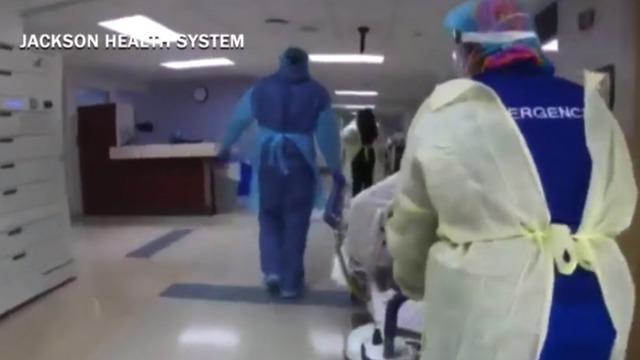
The surge in coronavirus cases is putting a severe strain on hospitals around the country. David Begnaud is in Miami, which is seeing its ICUs fill to near capacity.
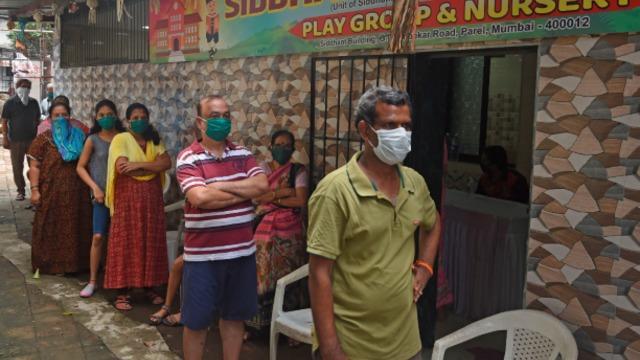
In India, a relatively low death toll from the coronavirus has sparked growing skepticism. There have been more than 1 million confirmed cases in the country but only around 28,000 deaths reported. The Washington Post's India bureau chief, Joanna Slater, joins CBSN with the details.
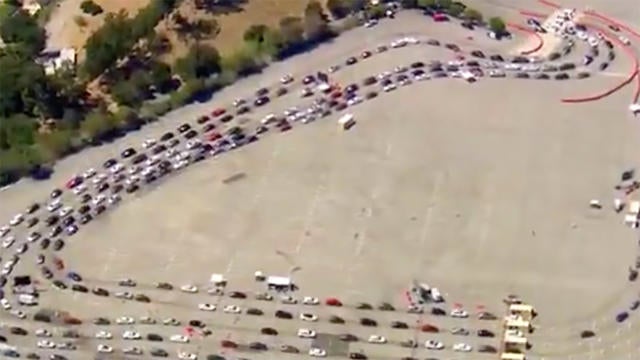
California is now the state with the most coronavirus cases, as hair salons and other businesses struggle to work under new restrictions. Jamie Yuccas reports.
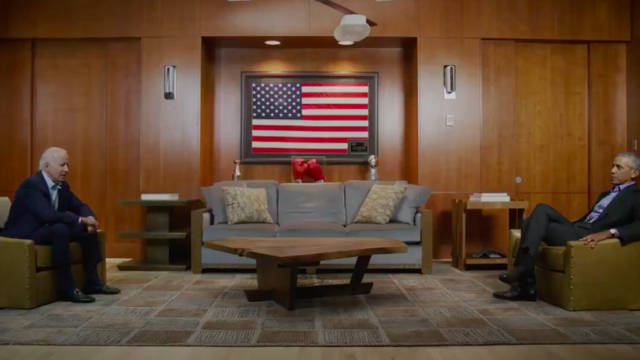
"Can you imagine standing up when you're a president, saying, 'It's not my responsibility. I take no responsibility?'" Biden says in the clip.
As states continue to shatter daily records for new coronavirus cases, Moderna said it's moving forward with a potential vaccine. Dr. James Curran, dean of Emory University's Rollins School of Public Health, joins CBSN's Tanya Rivero to discuss the news surrounding the potential vaccine and the Trump administration's order for hospitals to bypass reporting information to the CDC.
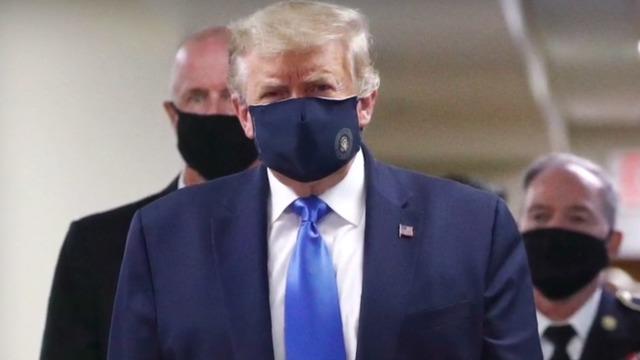
CBS News chief Washington correspondent Major Garrett joins "CBS This Morning" to discuss President Trump resuming regular coronavirus briefings and his statement that the outbreak will get worse before it gets better. Plus, he will talk about Mr. Trump's mixed messages on wearing masks and the debate on Capitol Hill about the next coronavirus spending bill.