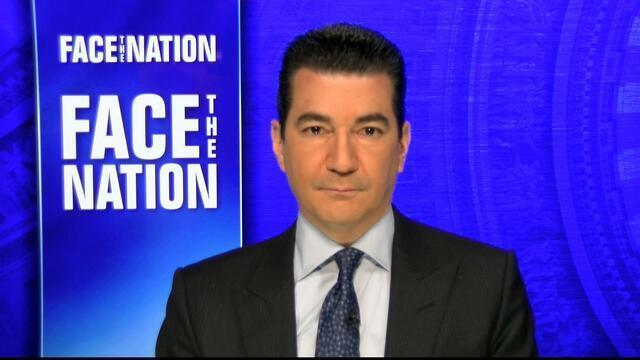
Gottlieb: U.S. could reach "close to 4,000 deaths a day"
The former FDA commissioner says deaths could be near 300,000 by the end of the year, and nearly 400,000 by the end of January.
Watch CBS News
The former FDA commissioner says deaths could be near 300,000 by the end of the year, and nearly 400,000 by the end of January.

CBS News senior foreign correspondent Elizabeth Palmer reports from London on the global toll of the coronavirus pandemic and preparations for a vaccine in the U.K.
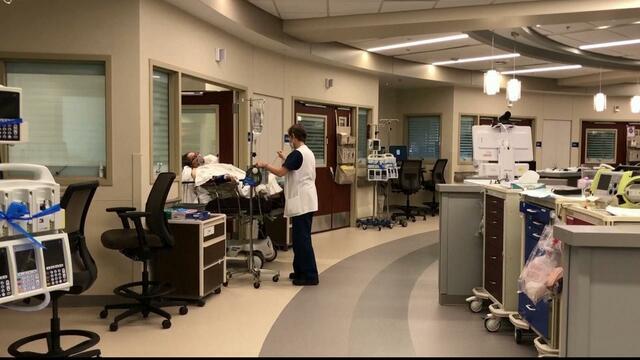
CBS News' Mark Strassmann reports from Georgia on the nationwide surge in COVID-19 cases.
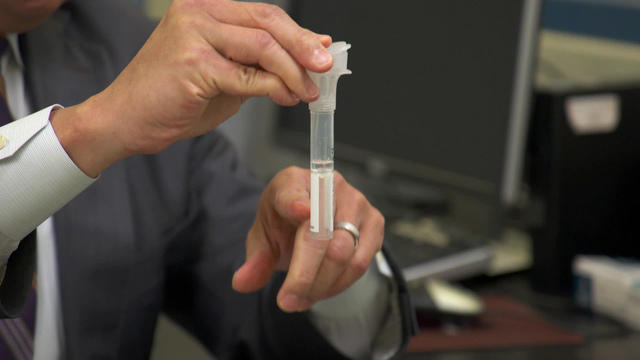
OraSure Technologies has blazed a trail in at-home diagnostic tests. Now, the Pennsylvania-based biotech company is working to produce a quick, over-the-counter coronavirus test that consumers can take in the privacy of their home with results available in minutes. NPR's Allison Aubrey reports.

One year ago in December 2019, the fist symptomatic cases of COVID-19 were reported in Wuhan, China. As the pandemic swept across the globe, more than 65 million people have been infected, and more than 1.5 million killed. Ramy Inocencio returns to Wuhan to see how a year of living with the coronavirus has changed life.
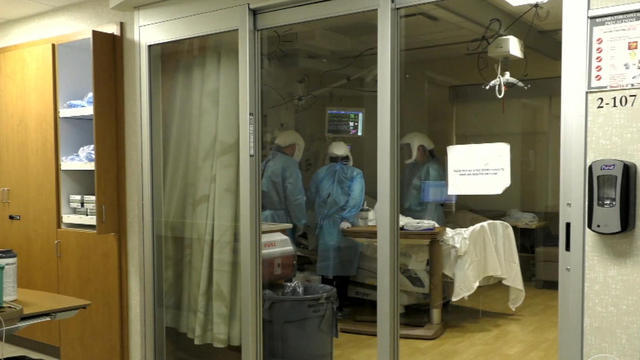
California is facing new restrictions to slow the spread of the coronavirus. This comes as the number of infections in the U.S. tops 15 million and more than 282,000 people have been killed. Lilia Luciano has the latest.
The coronavirus is badly hitting rural America's hospitals as many of them are on the edge of running out of capacity. Dr. Jennifer Bacani McKenney, the health officer in Wilson County, Kansas, joins CBSN to discuss the impact of the pandemic in small towns and the push back from communities over safety protocols.
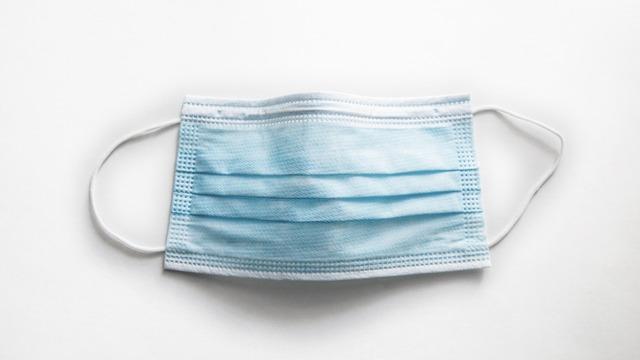
As cases of COVID-19 surge nationwide, the Centers for Disease Control and Prevention now say everyone should wear a mask when away from home. Matthew Fox, a professor of epidemiology and global health at Boston University, joins CBSN with the latest on the pandemic.
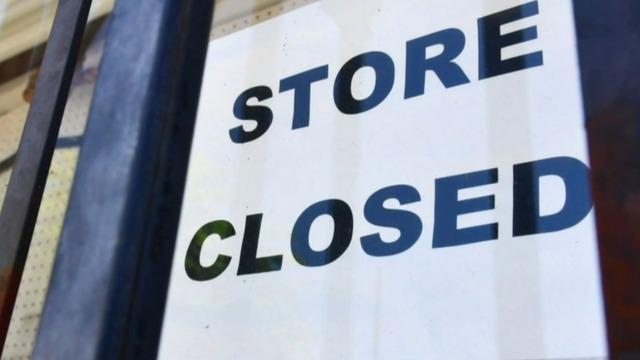
President-elect Joe Biden will inherit a fragile economy brought on by the pandemic when he takes office in January. In response to the latest jobs report Friday, Mr. Biden said the U.S. is in the midst of "one of the worst economic and job crises in modern history." Daniel Zhao, a senior economist at Glassdoor, joined Omar Villafranca to discuss jobs and the economy.

Today on "Face the Nation," new COVID-19 records are now being shattered on a daily basis as we face the worst six-week period yet of the coronavirus pandemic.

Even before coronavirus, soaring fish prices and competition from big chains had wiped out more than half of Japan's traditional sushi restaurants. With most owners at or near retirement, the pandemic is accelerating the demise of neighborhood sushi. Correspondent Lucy Craft looks at how fast-food sushi is remaking a dining tradition.
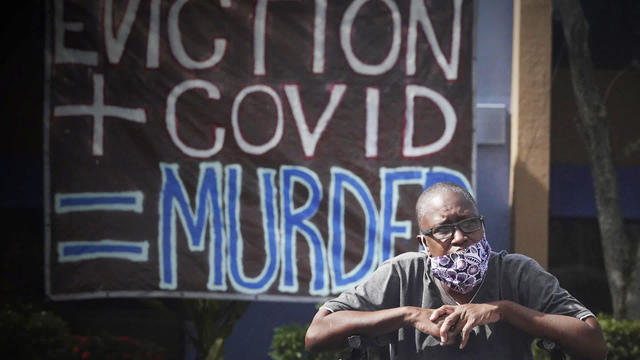
Coronavirus has already had a devastating economic impact: One in four American households has experienced job loss or diminished income during the pandemic. Potentially, millions of Americans are at risk of losing their homes starting January 1, when a government moratorium on evictions ends. "Sunday Morning" senior contributor Ted Koppel talks with tenants and a landlord, and with Pulitzer Prize-winner Matthew Desmond ("Evicted: Poverty and Profit in the American City"), about an impending housing crisis.
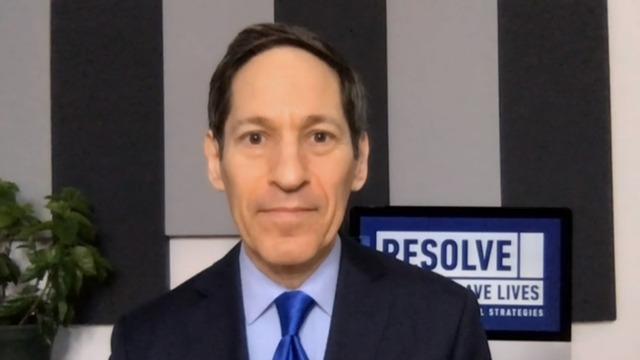
The daily coronavirus death average in the U.S. topped 2,000 in the last week, pushing the national toll past 278,000. There are more than 14 million confirmed cases in the country. Former CDC director and current CEO and President of the Resolve to Save Lives initiative Dr. Tom Frieden joins "CBS This Morning: Saturday" to discuss the state of the pandemic.

The latest job numbers show the U.S. added 245,000 jobs in November as growth slowed because of the coronavirus pandemic. Diane Swonk, chief economist for Grant Thornton, joined CBSN with the latest on the economy.
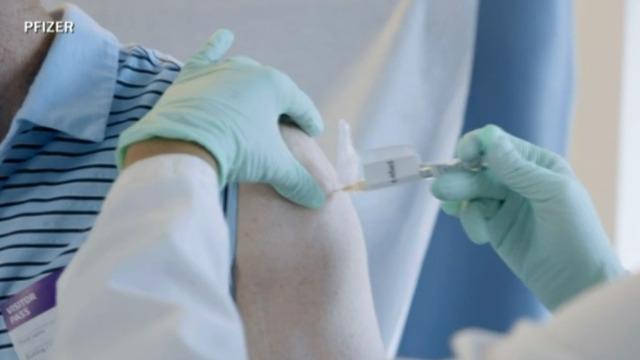
Hospitals and health care workers across the U.S. are being stretched this as the daily death toll from COVID-19 keeps climbing. CBS News correspondent Adriana Diaz reports on nationwide efforts to fight the surge, and Dr. Bob Lahita, chairman of medicine at St. Joseph University Hospital, joined CBSN to discuss how the rollout of the vaccine will work at medical centers across the U.S.
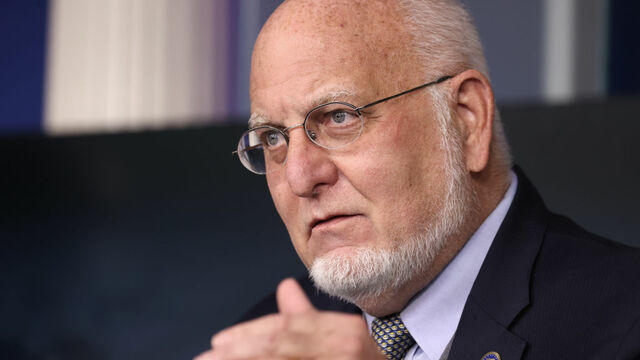
The director of the CDC is warning this winter could be the "most difficult time" in the nation's public health history. Hospitals are being overwhelmed as new daily cases skyrocket to more than 180,000. Dr. Eric Cioe-Peña, the director of global health at Northwell Health, joins CBSN to discuss the latest.
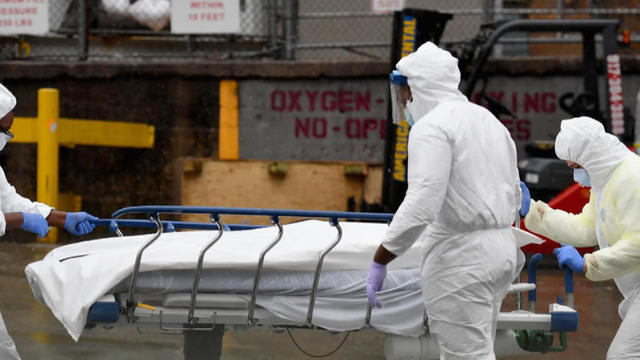
The U.S. has hit a number of grim coronavirus milestones this week as hospitals are inundated with patients. This comes as the country awaits vaccine authorization by the FDA. Dr. Theodore Strange, the interim chair of medicine at Staten Island University, joins CBSN's Elaine Quijano to discuss the pandemic.
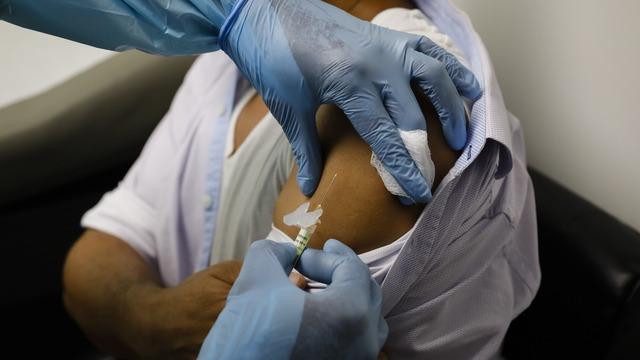
The first available coronavirus vaccines will require people to get two shots several weeks apart. CBS News MoneyWatch senior reporter Stephen Gandel joined CBSN to explain why skipping that second dose could undermine vaccine efforts in dangerous ways.
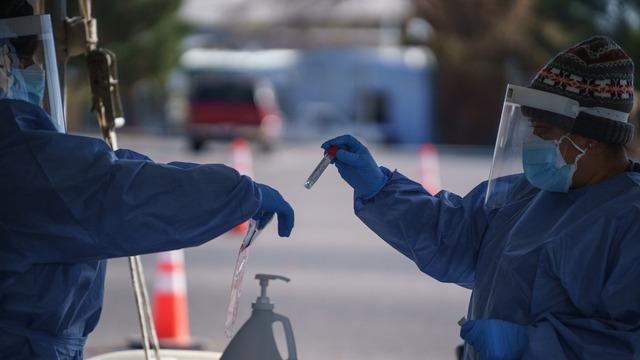
Wednesday was the single deadliest day for the U.S. since the coronavirus pandemic began. CBS News' David Begnaud has more on the toll nationwide, and Dr. Céline Gounder, a member of President-elect Joe Biden's COVID-19 advisory board, joined CBSN to discuss the latest on the pandemic and Biden's plans to tackle it.

Hunger in America, especially for children, has soared to historic levels amid the coronavirus pandemic. Pamela Taylor is senior vice president of the national anti-hunger organization "Share Our Strength." She joined CBSN to discuss the efforts her group is making to fight childhood hunger.

CBS New York's Chopper 2 filmed a protest that was held outside a Staten Island bar on Wednesday after a manager was arrested the night before for refusing to comply with New York's coronavirus pandemic restrictions.
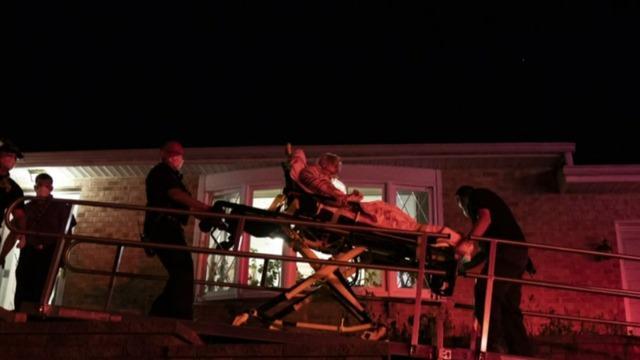
The U.S. has recorded its single worst daily death toll since the beginning of the pandemic, and health officials say the number of infections and deaths will only continue to rise, in part due to the delayed effects of Thanksgiving travel. CBS News correspondent David Begnaud reports on new safety measures being implemented by local officials, and Dr. Shoshana Ungerleider, an internal medicine physician at California Medical Center, joined CBSN to discuss what action needs to be taken to mitigate spread, and what obstacles health care workers are facing.
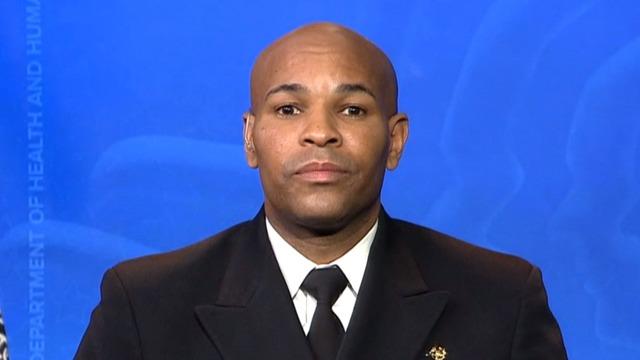
Surgeon General Jerome Adams joins "CBS This Morning" to discuss the country's battle against COVID-19. The nation's top doctor also shares his plan for improving the health of pregnant women and new moms.
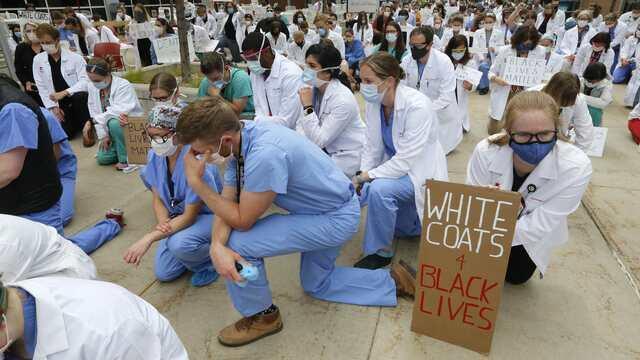
The coronavirus pandemic has put the U.S. medical system under tremendous strain, and waiting in the wings are medical students who have to learn under circumstances vastly different from their mentors. Jamie Ducharme, a Time staff writer focusing on health, joins CBSN to talk about her latest article, "How U.S. Medical Schools Are Training a Post-Pandemic Generation of Doctors."
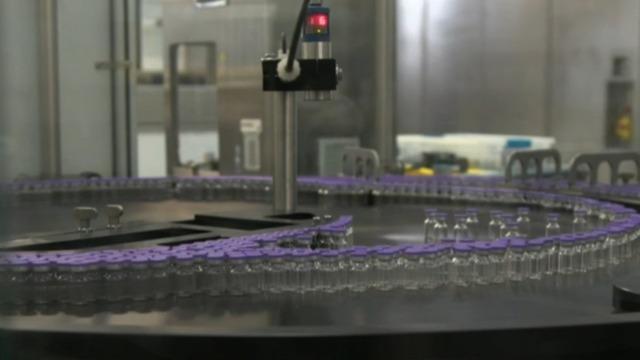
The U.K. has given Pfizer the go-ahead to distribute the world's first coronavirus vaccine backed by rigorous science. Dr. Neeta Ogden, an internal medicine specialist and immunologist, joined CBSN to discuss how the country got ahead of the U.S. and what American regulators can learn from the U.K.'s timeline.