How do El Niño and La Niña affect temperatures?
A massive heat wave is putting nearly 100 million people under intense triple-digit heat in the coming days. Here's how El Niño is contributing to the high temperatures.
Watch CBS News
A massive heat wave is putting nearly 100 million people under intense triple-digit heat in the coming days. Here's how El Niño is contributing to the high temperatures.
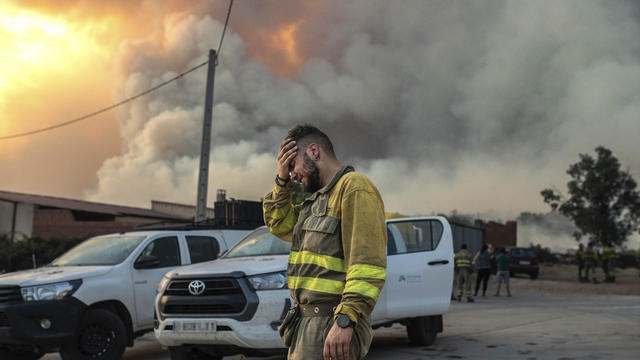
Researchers estimate that 61,672 people died due to the heat between June and September, with 11,600 deaths in one particularly intense week alone.
Millions of Americans are still feeling the heat. At least 33 states saw temperatures reach 90 degrees Fahrenheit on Friday, and it's a trend scientists say will likely continue. Texas Tribune energy reporter Emily Foxhall joins CBS News to discuss how the Lone Star State's power grid is keeping up with demand.

An extreme summer heat wave has blanketed most of the U.S. this week. Excessive heat is currently estimated to cost the U.S. economy $100 billion annually. TheStreet host J.D. Durkin and Axios economics reporter Courtenay Brown join CBS News to break down the economic impact of climate change.
High temperatures over the past few days broke multiple records. On Friday alone, some 90 million Americans saw temperatures above 90 degrees Fahrenheit -- and for 45 million people it felt like temperatures were in the triple digits. CBS News senior transportation correspondent Kris Van Cleave reports from Arizona.
People across the United States are trying to escape another day of stifling heat and humidity. Scientists say climate change is making the record-breaking heat worse. Manuel Bojorquez reports from Florida.
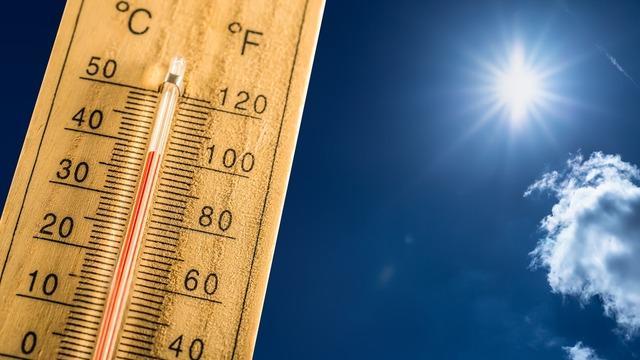
Millions of Americans are under alerts as dangerous levels of heat scorch the planet. Data from the University of Maine show the Earth's average temperature reached an unofficial record high of nearly 63 degrees Fahrenheit on Wednesday. CBS News national correspondent Manuel Bojorquez reports from Miami.
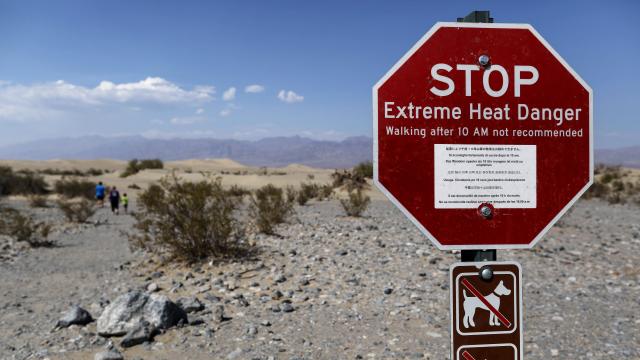
An initial investigation suggests that heat-related illness may have caused the driver to run off the road.

In the summer, temperatures on exposed parts of the trail can reach over 120 degrees in the shade.
At least 13 people have died as a result of heat-related deaths in the South. The heat is expected to move East as cities in the Midwest deal with unbreathable air. Michelle Miller reports from New Orleans.

Scorching temperatures have been blamed for more than a dozen deaths.
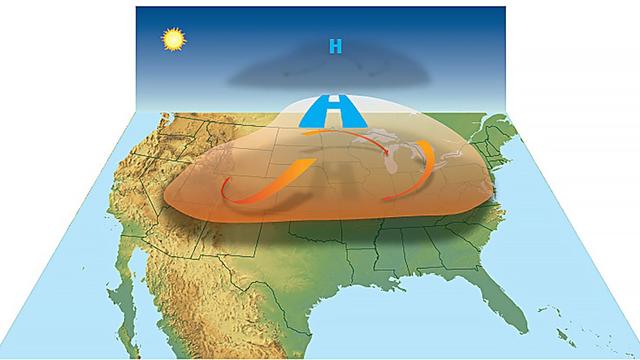
Heat domes normally persist for several days in any one location, but they can last longer.

Temperatures in the capital are expected to drop on Monday before rising again later next week.
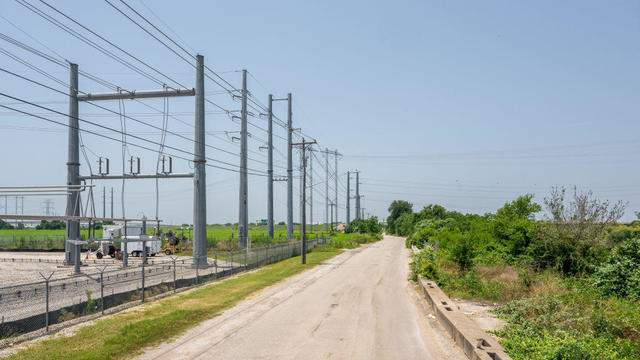
Residents without power in Oklahoma waited in long gas lines so they could fill up generators or use their car's air conditioning.

The state official was suspended for ordering the entire Paralkot reservoir emptied and accused of wasting 530,000 gallons of fresh water as his region faces a heat wave.
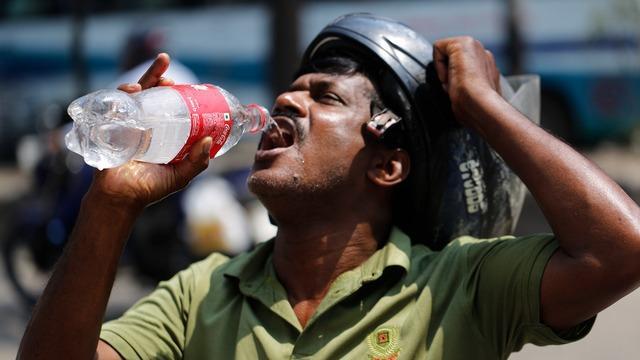
A new report shows temperatures around the world will reach record highs over the next five years. According to the World Meteorological Organization, there is a 98% chance at least one of the next five years will be the warmest ever. Right now, the hottest year on record was 2016. CBS News climate reporter Cara Korte has more.
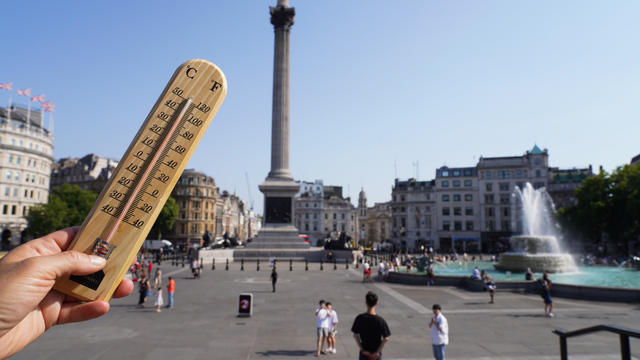
Researchers warn that if carbon dioxide emissions aren't rapidly reduced, this record-breaking heat will soon become the norm.

As the cotton harvest season gets underway across Texas, climate change is threatening the $7 billion industry. Janet Shamlian takes a look at how a bad harvest can ripple through the economy.

Europe is a leader in climate mitigation. That couldn't save it from also becoming a leader in temperature increases.
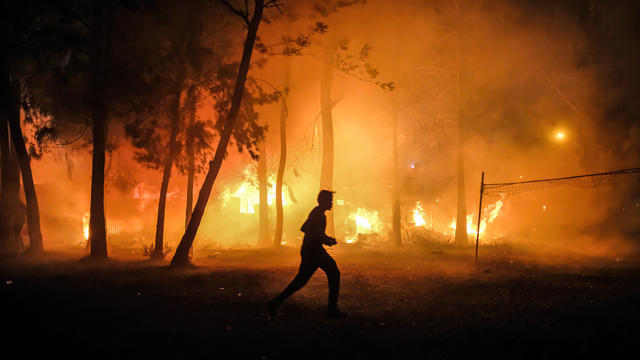
Nations pledged to limit global warming to 1.5 degrees Celsius, but three new U.N. reports show that the world is on track to hit nearly double that in less than 80 years.

With increased exposure to heat waves, children are at greater risk of chronic respiratory conditions like asthma and cardiovascular diseases, according to the U.N. children's agency.

FDA notes rare side effect of Johnson & Johnson vaccine; CBSN New York's "Breaking the Stigma" focuses on mental health
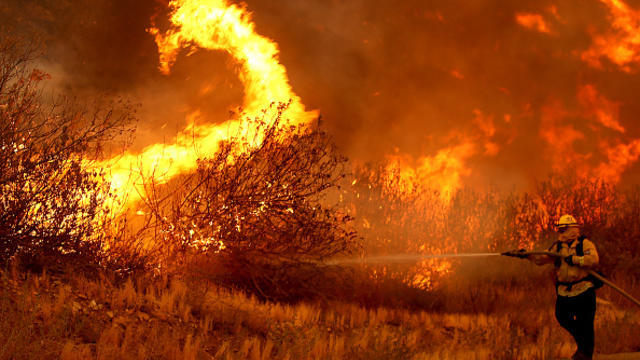
Extreme heat is wreaking havoc on California. Triple-digit temperatures over the course of the past week have made it difficult for crews to fight several wildfires that popped up across the state. The heat is also jeopardizing California's power grid. CBS News correspondent Carter Evans reports from California. Then, Akshaya Jha, assistant professor of economics and public policy at Carnegie Mellon University, joins CBS News' John Dickerton to discuss how California is handling the heat.

"It's something that has been expected for the future that such extremes might come along, but now they are already here," scientist says.

At least 3 dead, 15 injured in Gilroy, California. Gunman killed after attacking popular garlic festival about 80 miles southeast of San Francisco. FDA approves machine to help heart failure patients.