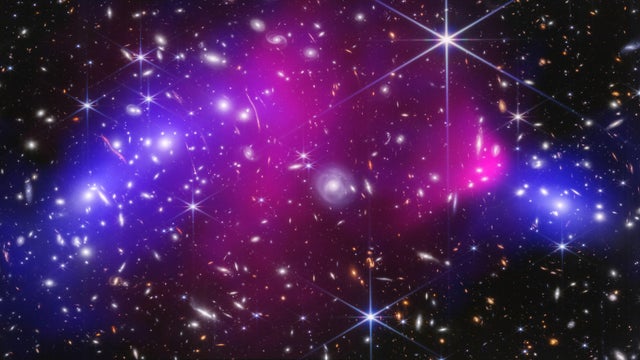
Mysterious dark matter seen in new map of distant galaxies
Dark matter doesn't absorb or give off light so scientists can't study it directly. But they can observe how its gravity warps and bends the star stuff around it.
Watch CBS News
Dark matter doesn't absorb or give off light so scientists can't study it directly. But they can observe how its gravity warps and bends the star stuff around it.
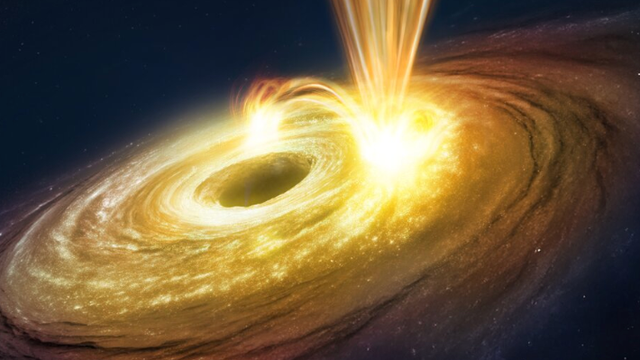
The European Space Agency said that the black hole inside the spiral galaxy NGC 3783 has the mass of 30 million suns.
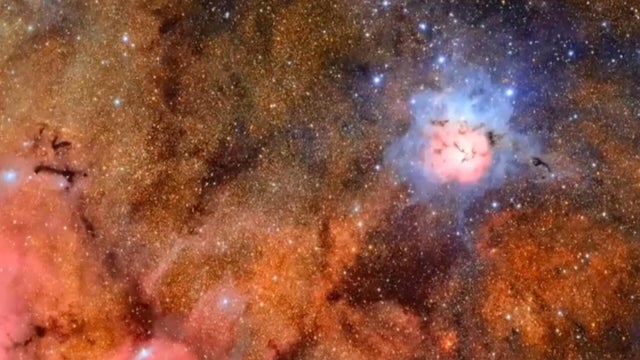
Incredibly brilliant images have been released this week of the Milky Way and other distant galaxies from the world's largest telescope at the Rubin Observatory in Chile. Derrick Pitts, chief astronomer and planetarium director at the Franklin Institute, joined CBS News to discuss.
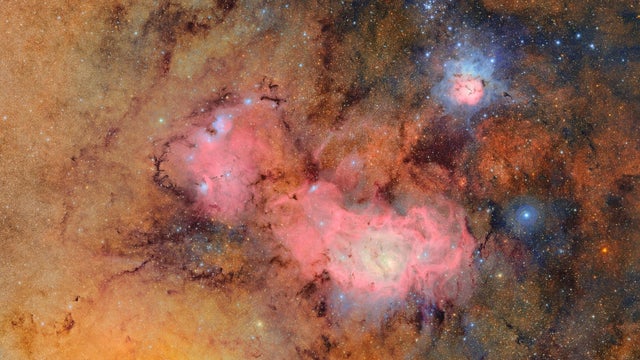
The debut images from a powerful telescope at Chile's Vera Rubin Observatory show distant galaxies and star-forming regions in spectacular detail.
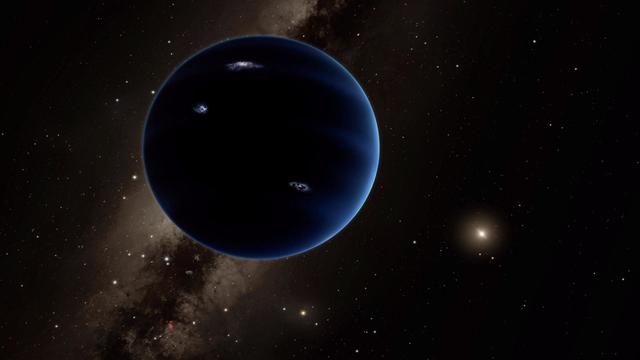
U.S. astronomers hunting for "Planet Nine" have instead stumbled on what appears to be a new dwarf planet in the solar system's outer reaches.
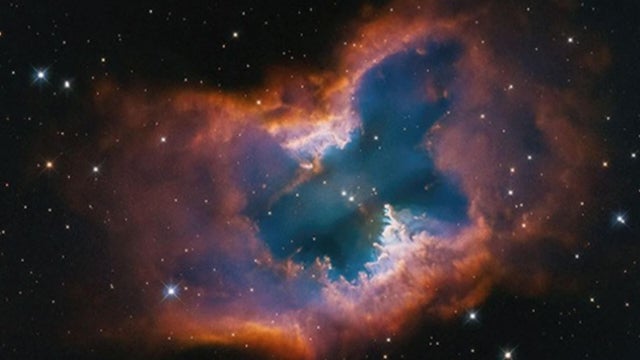
The Hubble Space Telescope "opened a new window to the universe" when it launched into space. Now, 35 years later, NASA is releasing some stunning images to celebrate.
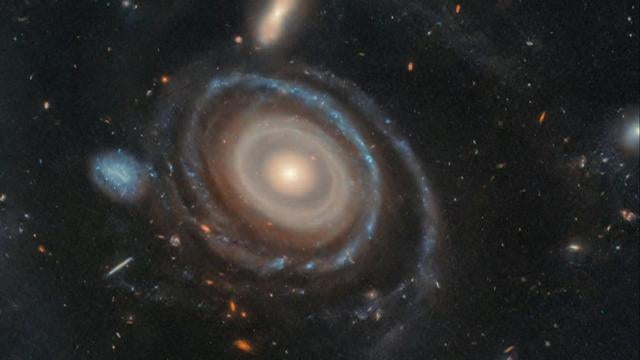
The Hubble Telescope took a snapshot of what astronomers are calling the Bullseye Galaxy. The distant galaxy contains nine rings of stars that were formed when a blue dwarf galaxy crashed through the center of the galaxy.
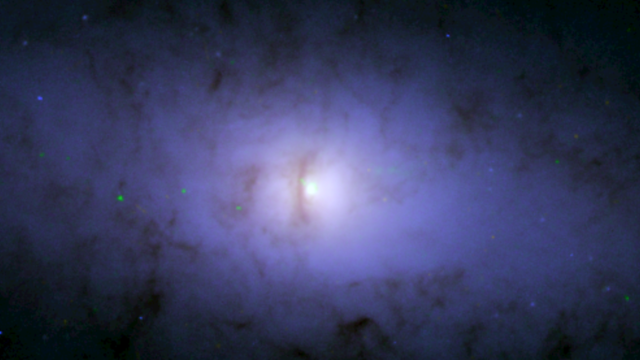
New analysis techniques and decades-old research helped NASA scientists identify an unusual black hole in a distant galaxy.
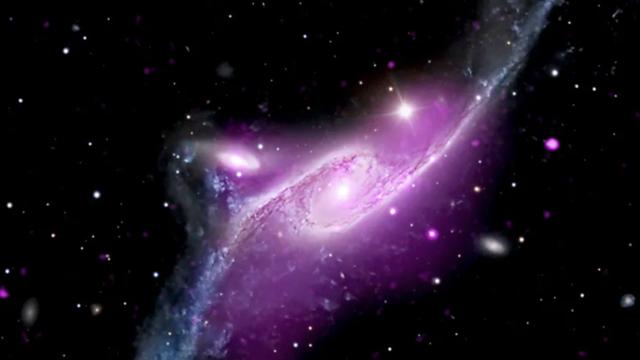
The Chandra X-ray observatory was launched on July 23, 1999.
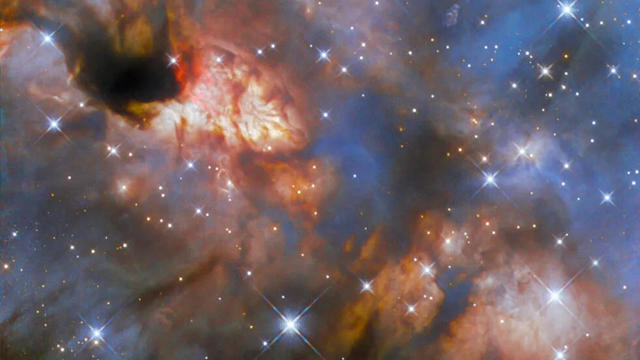
The Hubble Space Telescope captured a bold photo of the likely star forming about 5,900 light-years from Earth.
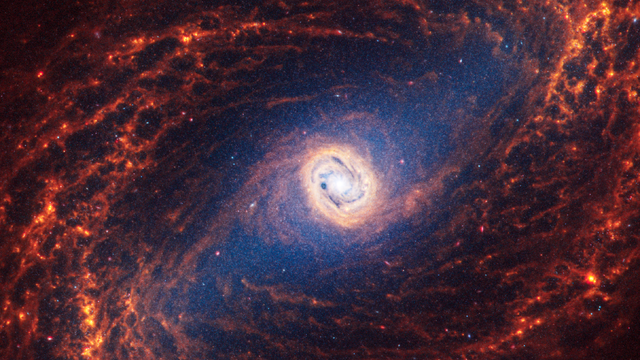
The new images captured by the James Webb Space Telescope are "mind-blowing even for researchers who have studied these same galaxies for decades," one scientist said.
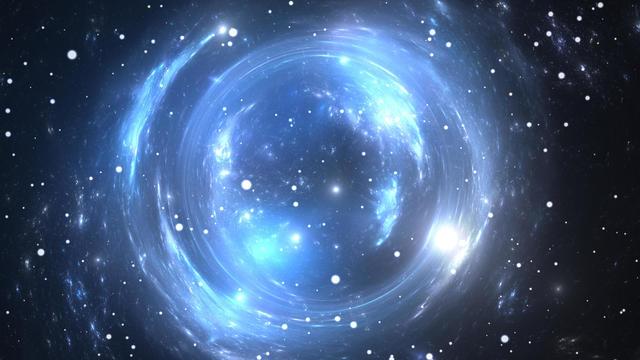
The "very rare" star explosion was so warped that it looked like multiple images in the sky.
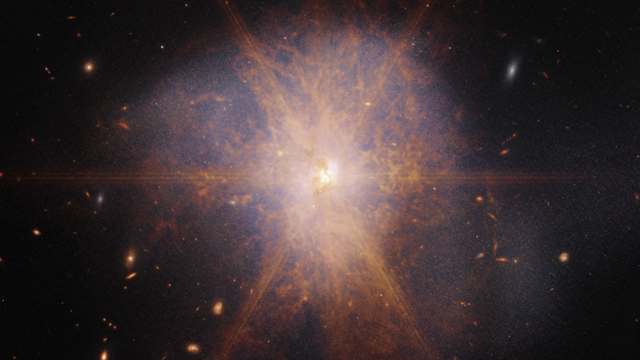
NASA said the collision of the two spiral galaxies began about 700 million years ago.

The supermassive black hole 54 million light-years away is now clearer than ever.
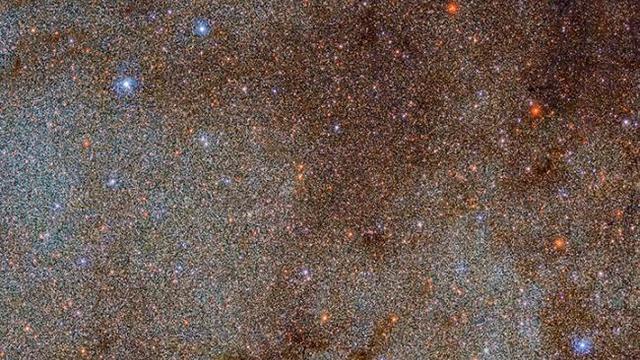
Stunning images released by the National Science Foundation show the most expansive slice of the galaxy to date produced by a single camera.
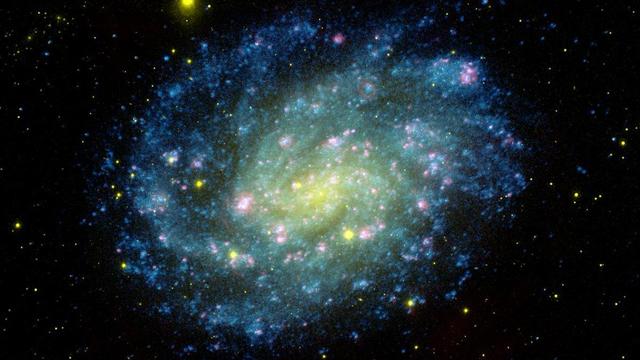
NASA shared a photo of a mesmerizing galaxy 7 million miles away lit up in the bright colors of Brazil, Pelé's home nation.
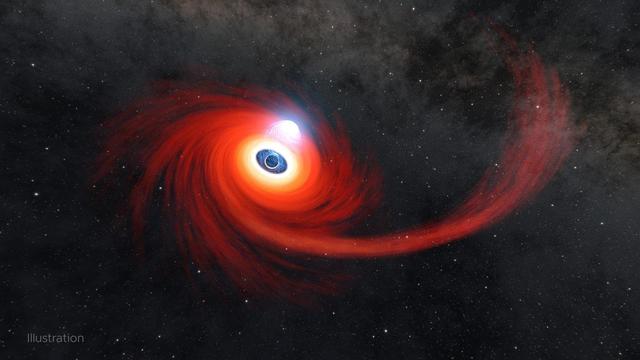
The tidal disruption event provided astronomers with an "unprecedented view" of how a corona is formed and evolves.
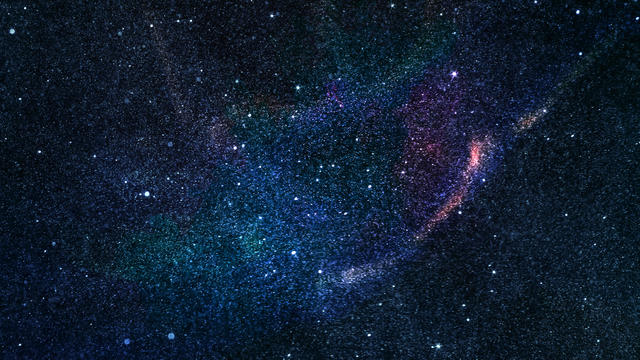
The first-of-its-kind vibrant map allows you to scroll through 200,000 galaxies dating back 12.5 billion years.
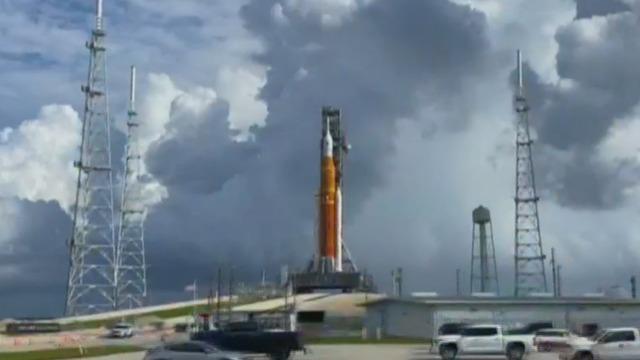
NASA will try again to launch its new moon rocket. After several delays, the Artemis 1 mission is scheduled to blast off early Wednesday.
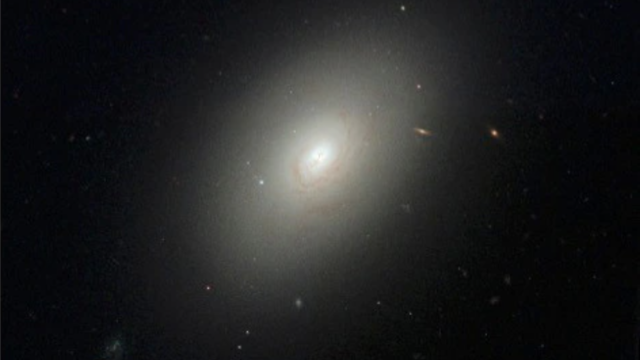
Finding the remains of ancient stars "was like trying to find the mythical elephant's graveyard," scientists say.
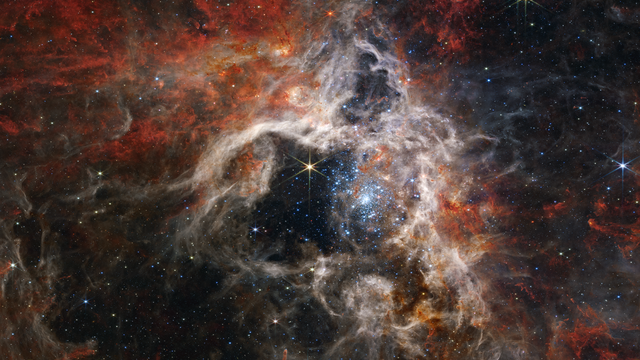
NASA's James Webb Space Telescope has revealed more details about how star are formed in the Tarantula Nebula.
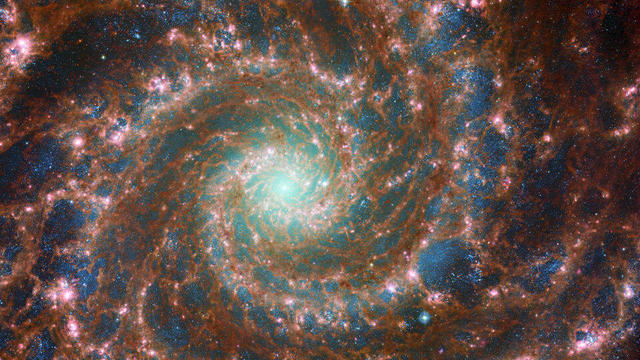
The veteran and the new kid on the block have teamed up to produce a stunning image of the popular spiral galaxy.
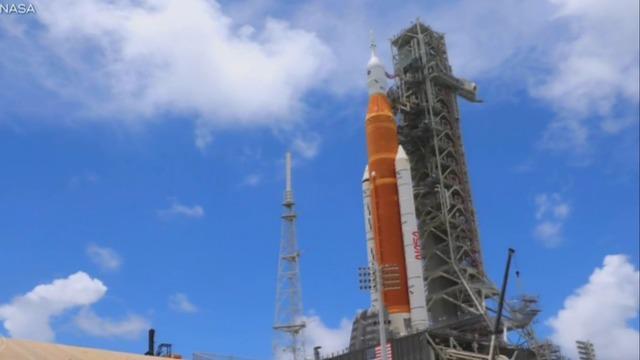
NASA's most powerful rocket yet, Artemis 1, is set to launch on its maiden journey Monday. Mark Strassmann is at the Kennedy Space Center in Florida with a launch preview.
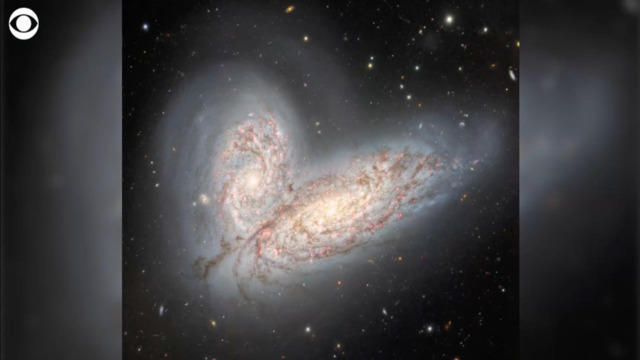
In a part of space far, far away, two galaxies joined together to form one of the universe's most spectacular events – a galactic merger with streaming stars and chaos. And scientists say the stunning images are a preview of what's to come for the Milky Way.
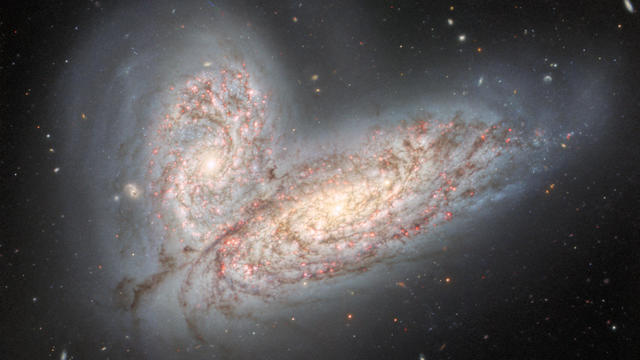
"Dueling gravitational forces will trigger bursts of intense stellar formation and wildly distort their once-majestic structures," researchers said.