EPA chief visits in East Palestine
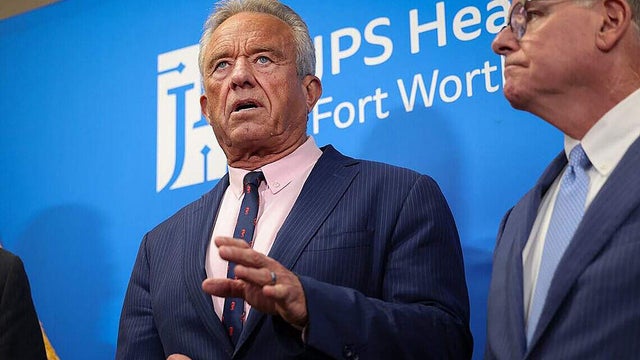
The head of the EPA, Michael Regan, visited the site of the disastrous derailment in East Palestine. CBS News correspondent Roxana Saberi is covering how the disaster is impacting the community.
Watch CBS News
The head of the EPA, Michael Regan, visited the site of the disastrous derailment in East Palestine. CBS News correspondent Roxana Saberi is covering how the disaster is impacting the community.

Fallout from the Feb. 3 train derailment in East Palestine, Ohio, continues, as EPA administrator Michael Regan touches down for a visit to the area. While the train company has provided funds for victim relief, they opted not to attend a February 15 town hall citing a "growing physical threat" to their employees. CBS News correspondent Roxana Saberi reports.

Those who rely on private wells were still urged to continue drinking bottled water until they can secure testing of their water source, the state said.

One woman said her vet told her the toxic chemicals from the train triggered her 2-year-old pet cat to go into congenital heart failure, and within days, they had to put him to sleep.

Residents in East Palestine, Ohio, are concerned about their health after an explosive train derailment earlier this month forced hundreds of evacuations. Reid Frazier, energy reporter for The Allegheny Front and Pittsburgh's NPR news station, joined CBS News to discuss.
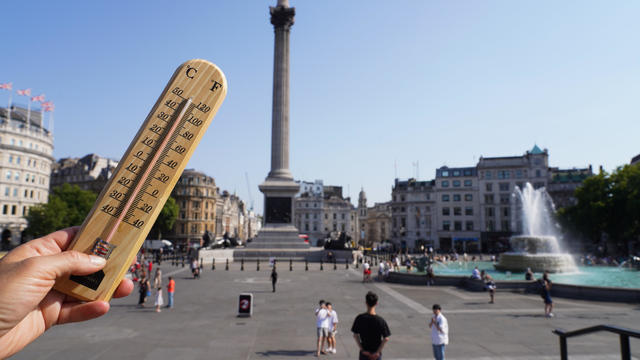
Researchers warn that if carbon dioxide emissions aren't rapidly reduced, this record-breaking heat will soon become the norm.

The cause of a Keystone Pipeline oil spill is under investigation after it spewed an estimated 590,000 gallons into a creek in rural Kansas last week. The environmental disaster may impact gas prices. Omar Villafranca has more details.

The latest spill in Kansas unleashed more than an estimated half-million gallons into the surrounding area — more than all the crude oil pipeline spills in 2021 combined, according to federal data.

A ruptured section of the Keystone Oil Pipeline dumped nearly 600,000 gallons of crude oil into a Kansas creek. The Environmental Protection Agency says no drinking water was affected — but nearby residents are complaining of a strong odor.

Jackson's mayor said he hoped the "collaborative effort to repair, replace and modernize Jackson's water infrastructure" would become a "model for other U.S. cities."

CBS News chief investigative correspondent Jim Axelrod spoke with the head of the Environmental Protection Agency about the recent water crisis in Jackson, Mississippi, which left thousands of residents without clean running water for days. EPA Administrator Michael S. Regan said "all options are on the table," including a possible federal takeover of the city's troubled water system.

"It's hard to explain how and why government has failed the city of Jackson and the people of Jackson," EPA Administrator Michael Regan told CBS News.

About 80% of Jackson's 150,000 residents are Black, and about a quarter of the population lives in poverty.

Now that it's autumn, people could see stink bugs creeping into their homes "by the thousands." One study suggests that within a few decades, even more people will be impacted.

Zoono Microbe Shield was marketed as protecting against COVID-19 but is only effective against bacteria, fungi and mold, EPA said.
The work will be similar to the investigations in Flint, Michigan, and Red Hill, Hawaii, an official said.
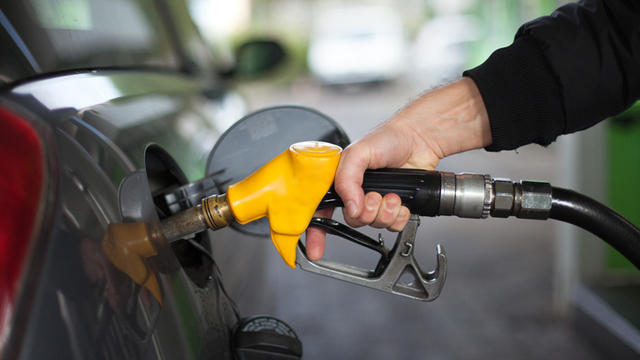
The California Air Resources Board voted Thursday in favor of a plan to ban the sale of new gas-powered vehicles by 2035. Margo Oge, former director of the EPA's Office of Transportation and Air Quality, discussed what this means for California.
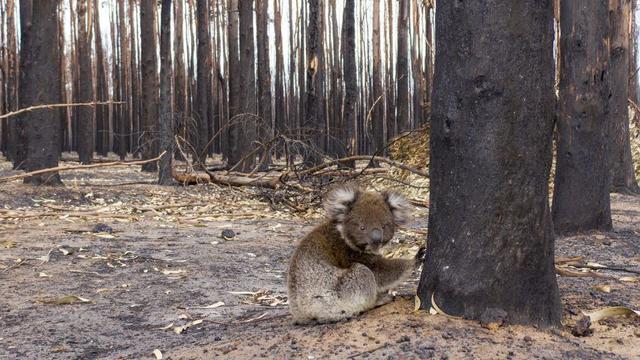
"The path we are on is not sustainable," warned the country's environment minister, chiding the previous government for inaction.

Scientists looked at mollusks from three different Florida locations, and every single one had toxic chemicals that could cause adverse health effects.

In two final decisions, the Supreme Court ruled Thursday to allow the Biden administration to end Donald Trump's "Remain in Mexico" policy and limit the Environmental Protection Agency's ability to regulate carbon emissions. CBS News legal contributor Jessica Levinson discussed how both decisions could impact the current administration's approach to immigration and climate change.

The court "took a sledgehammer to one of EPA's most important tools," one climate advocate said.

The Supreme Court has ruled the Environmental Protection Agency doesn't have the power to regulate greenhouse gas emissions in order to fight climate change. CBS News legal contributor Jessica Levinson spoke with CBS News' Anne-Marie Green and Vladimir Duthiers about this means for the Biden administration's push to curb the effects of climate change.

The Supreme Court has ruled, 6-3 along ideological lines, that the EPA does not have the authority to set caps on greenhouse gas emissions from power plants. CBS News senior national and environmental correspondent Ben Tracy explains the ruling and how it impacts President Biden's plan to fight climate change.

There are 18 cases remaining on the Supreme Court's docket before the current term ends. Several highly-anticipated rulings may determine the future of abortion and gun rights in the U.S. Deborah Pearlstein, professor at Cardozo School of Law and co-director of the Floersheimer Center for Constitutional Democracy, joined CBS News' John Dickerson to discuss.
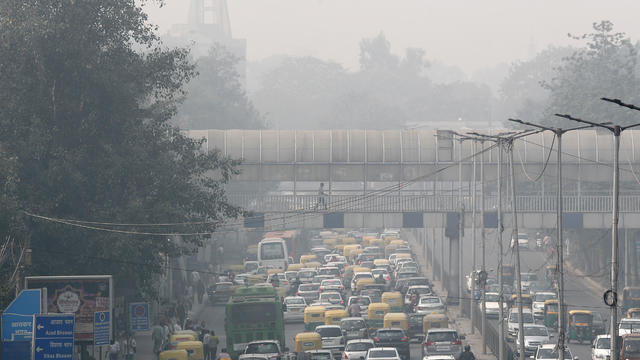
Billions living in the world's top four most polluted countries — all of them in South Asia — could be facing a life shortening impact of air pollution.