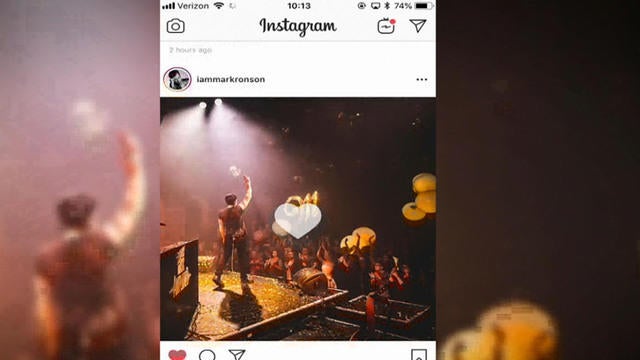
Instagram testing policy to hide likes
Instagram said it wants to create a healthier environment for users. So it's testing out a new policy in parts of the U.S. to hide likes. Jamie Yuccas explains.
Watch CBS News
Instagram said it wants to create a healthier environment for users. So it's testing out a new policy in parts of the U.S. to hide likes. Jamie Yuccas explains.
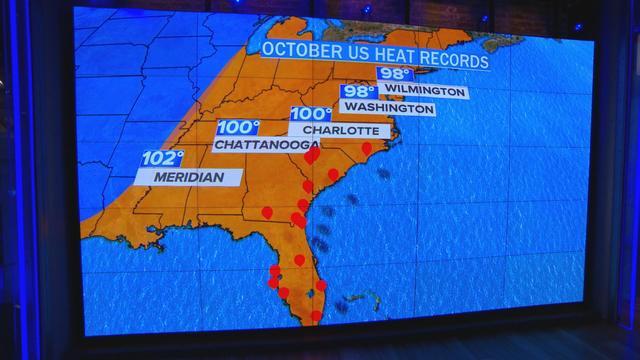
One of the hottest summers on record set the stage for one of the wildest autumns ever. Dozens of cities hit record highs in October, especially in the southeast, where it hit triple digits.
"Face the Nation" moderator Margaret Brennan with five things to know about climate change and its impact on the world already.
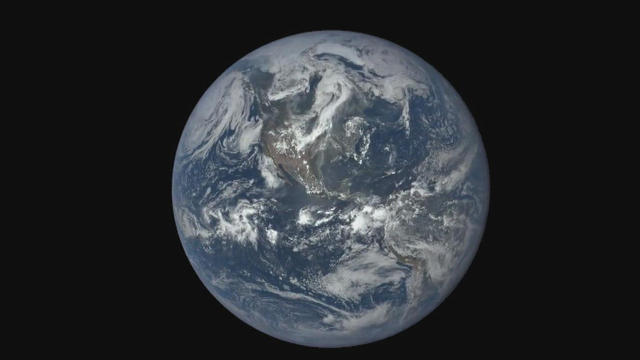
On April 22, 1970, Americans took part in a day aimed at protecting the only planet we call home. Jane Pauley reports on an environmental tradition, which this year focuses on the dangers of plastic pollution.
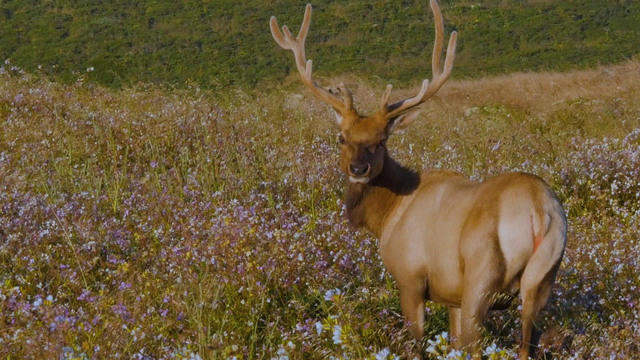
"Sunday Morning" takes us to Point Reyes National Seashore in California, a safe home for Tule Elk, hunted nearly to extinction in the 1800s. Videographer: Lee McEachern.
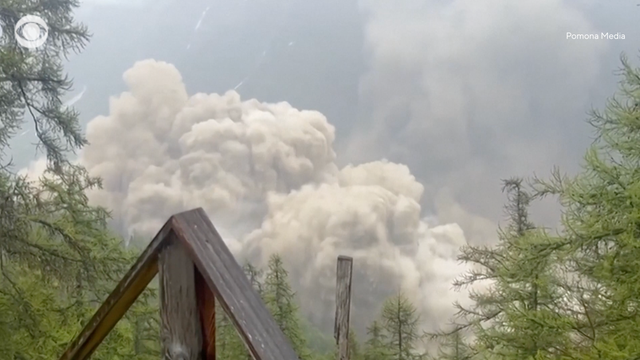
Video captured the moment the majority of the Swiss village of Blatten became buried under rock and ice after a massive chunk of a glacier in the Alps broke off on Wednesday, causing a landslide. Authorities had evacuated the town earlier this month as a precaution, but a 64-year-old man is missing after the disaster. State Councilor Stéphane Ganzer told Radio Télévision Suisse that 90% of the village was destroyed.

Off the coast of New England, the warming ocean is fueling the spread of a green menace -- a troublesome import from Europe called the green crab. Jacob Wycoff reports on the effort to turn the invasive species into a seafood staple.

Monarchs traveled to a remote part of Mexico, a journey they've made for thousands of years, and wintered there. Now tens of millions of the butterflies are on an epic aerial journey back north.
First, a report on what worries scientists most about bird flu. Then, a look at what's next for AI at Google DeepMind. And, inside the monarch butterfly migration mystery.
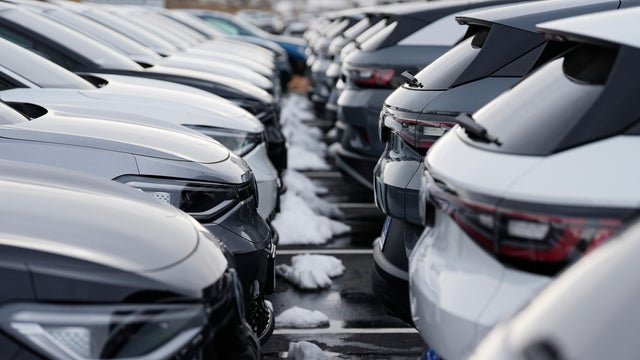
Senate Republicans led the push to block California's ability to impose tough limits on car emissions — a move Democrats call unprecedented.
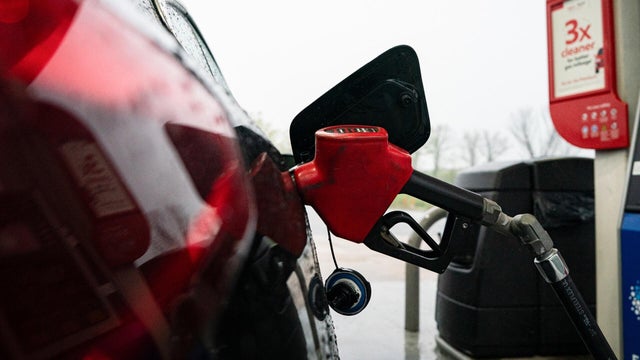
Senate Republicans are moving to block California's vehicle standards that would phase out the sale of new gas-powered cars by 2035. Mary Nichols, former chair of the California Air Resources Board, joins "America Decides" to discuss.

Billions of dollars in climate-related funding are on the chopping block in President Trump's proposed budget. CBS News Climate Unit senior coordinating producer Tracy Wholf joins "America Decides" to explain how this could hurt businesses, renewable energy and consumers.

As the government looks to trim spending, the EPA's long-running Energy Star program known for labeling energy-efficient appliances is on the chopping block. Nancy Chen explains what that could mean for consumers.
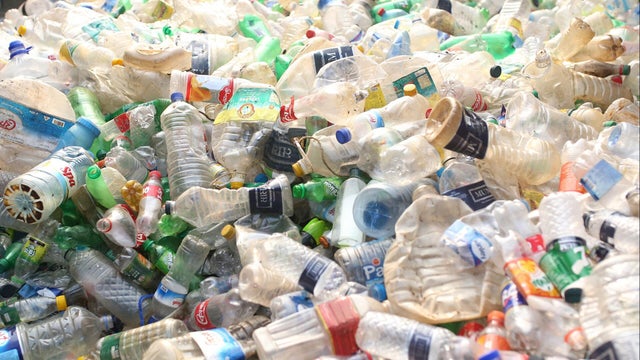
A new report from the Climate Integrity Center is highlighting what it calls deceptive messaging from Big Oil and plastic companies about "advanced recycling," which involves using heat or chemicals to break down plastics into smaller parts. Davis Allen, the report's author, joins CBS News to discuss the issues with the method and why industries continue to promote it as a long-term solution to the plastic waste crisis.

The Environmental Protection Agency says it plans to weaken restrictions on so-called "forever chemicals" in drinking water. Erik Olson, senior strategic director for health at the Natural Resources Defense Council, joins CBS News to discuss the dangers of PFAS.

Temperatures in parts of Texas hovered in the triple digits on Wednesday. That's highly uncommon for May. CBS News correspondent Omar Villafranca has more on officials' efforts to keep people cool and safe in San Antonio.
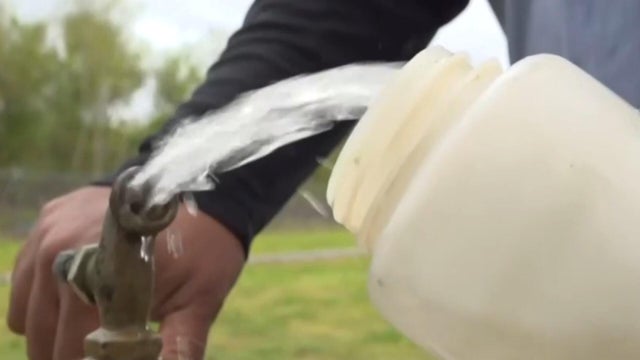
Communities along the Mississippi River are facing a growing threat of saltwater intrusion from the Gulf. CBS News' Kati Weis reports on the impact on the seafood industry and concerns about the safety of New Orleans' drinking water.
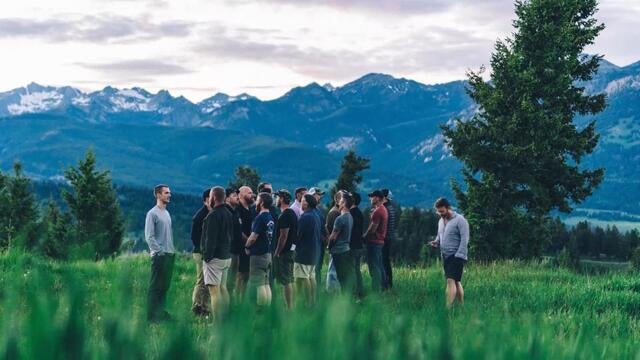
In Massachusetts, we visit a weekend camp that’s helping men combat feelings of loneliness. And in North Carolina, we check out a viral workout experience that combines step aerobics with hip-hop. Watch these stories and more on Eye on America with host Michelle Miller.

A new study shows the land under some of the largest cities in the U.S. is sinking. "Land subsidence" is the gradual setting or sudden sinking of the Earth's surface, according to the National Oceanic and Atmospheric Administration. Manoochehr Shirzaei, a co-author of the study, joins "The Daily Report" to discuss.

34 million people live in one of these major U.S. cities that's sinking, new research shows. See if your area is on the list — and how quickly the land is moving.

On President Trump's first day in office, he announced a national energy emergency to address the need to provide more reliable and affordable power for Americans. Since then, he has reversed major U.S. policies on energy and environmental regulations. CBS News' national environmental correspondent David Schechter reports.
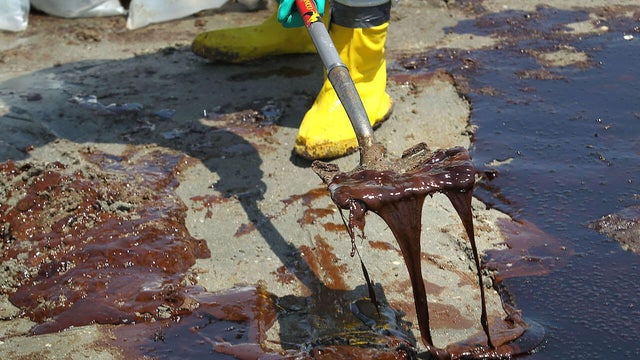
In the summer of 2010, panic spread across the region when the Deepwater Horizon oil rig exploded in the Gulf.
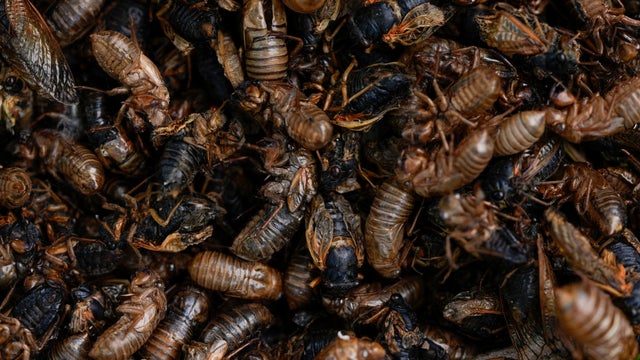
A large brood of periodical cicadas is due to emerge in the spring of 2025. These maps show where people should expect to see and hear the bugs this year.

A notably large brood of periodical cicadas will emerge from the underground across parts of the eastern U.S. this spring.
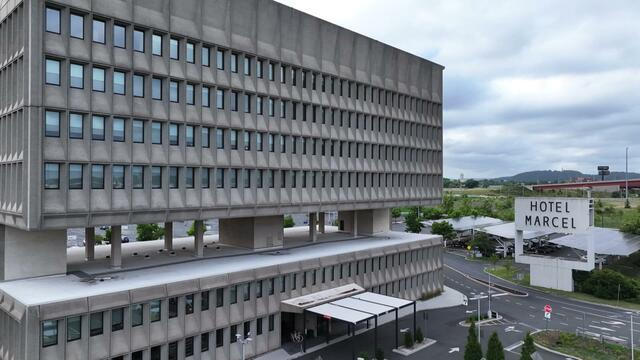
In North Carolina, we learn about the growing threat of severe flooding facing inland communities. And in Connecticut, we check in at the only hotel in the country that runs entirely on renewable electricity. Watch these stories and more on "Eye on America" with host Michelle Miller.